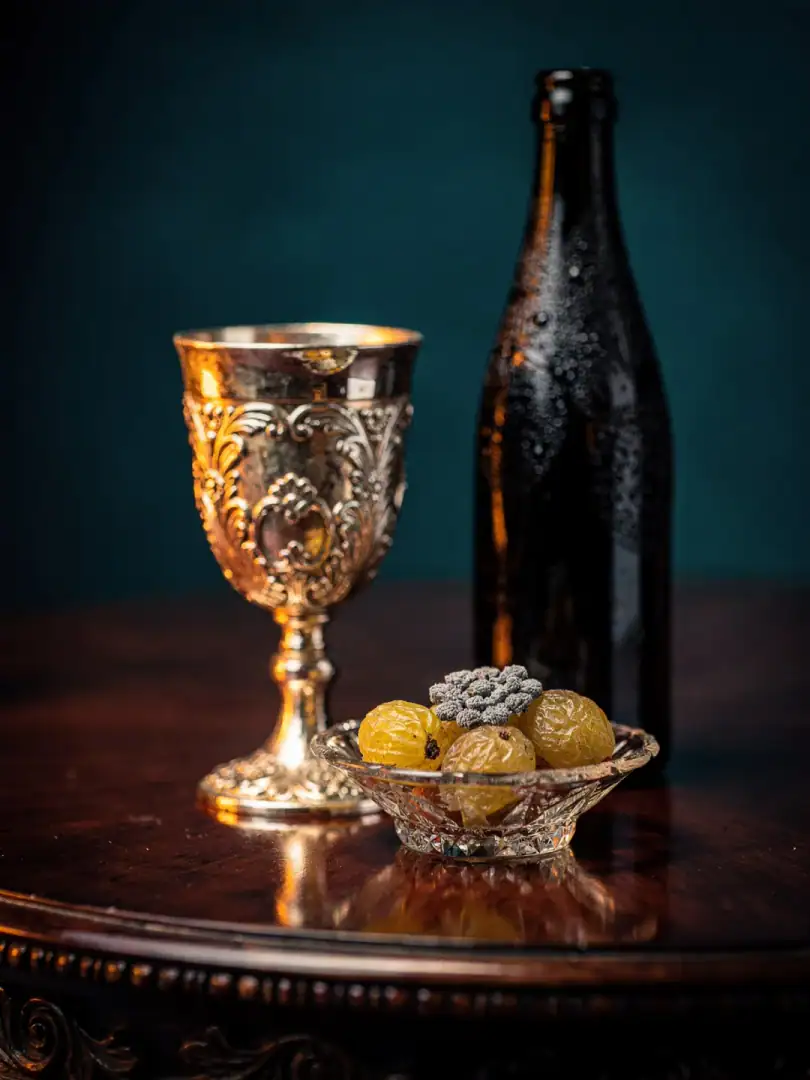
Drinking Like Royalty
Champagne and the Sweet Wines of Kings
Few drinks stood so closely for power as Champagne and the great sweet wines of the early modern era. At European royal courts, kings drank from glasses that hardly anyone else could afford. They turned certain wines into political symbols, far beyond mere taste.
Champagne Conquers Versailles
At the French court under Louis XIV and his successors, sparkling wine from Champagne was considered the drink of choice at grand festivities. Unlike the still wine from Burgundy that had previously been favored at court, sparkling Champagne seemed unusual and elegant. Only a few cellar masters could produce it reliably.
Nobles and wealthy citizens across Europe copied this courtly taste as soon as they could afford it. Champagne became a status symbol at coronations, weddings, and diplomatic receptions. Houses like Ruinart or Moët, both founded in the eighteenth century, targeted the nobility and royal houses from the very start, since that was where the money existed for such an elaborately made product. Production itself remained risky for a long time. A significant share of bottles simply burst in the cellar once internal pressure grew too strong, which is why cellar masters worked wearing thick masks and heavy aprons. Only over the course of the nineteenth century did this breakage rate drop significantly, as glass, cork, and knowledge of the right amount of sugar were better matched to one another.
Tokaji: The Wine a King Baptized
In Hungary, a sweet white wine called Tokaji Aszú emerged. It is made from grapes affected by noble rot, a mold that draws out their water and concentrates their sugar. As early as the late seventeenth century, this golden, syrupy wine was considered one of the most coveted treasures at European courts, renowned far beyond Hungary.
In 1703, Prince Francis II Rákóczi sent a shipment of Tokaji to Louis XIV at Versailles. The Sun King is said to have responded with the Latin words "Vinum Regum, Rex Vinorum" – the wine of kings, the king of wines. This phrase has accompanied Tokaji ever since as a kind of unofficial motto. It also explains why tsars, popes, and Prussian kings prized the wine for centuries.
Sauternes and other sweet rivals
Alongside Tokaji, France developed its own sweet wine in Sauternes, likewise shaped by noble rot. It gained particular international acclaim in the nineteenth century. Harvesting by hand was laborious, as pickers had to pass through the same rows multiple times to gather only the berries affected to just the right degree. This made such wines expensive and rare from the very start.
These high costs were part of the appeal: anyone who could afford such a wine openly displayed their wealth. Sweet wines of this kind were therefore deliberately poured at diplomatic occasions to impress hosts and guests alike. They were often served in small, costly glasses that further underscored the value of their contents. A single small glass of Sauternes or Tokaji could cost as much back then as a whole bottle of ordinary table wine, and it was precisely this price difference that made the wines so appealing to hosts wanting to offer their guests something unmistakably special. Port from Portugal, fortified with brandy and made to keep longer, emerged in the eighteenth century as another sweet specialty. In England especially, it became a fixture of refined evening gatherings.
Why sweetness was once considered a luxury
Before cane sugar became widely available from overseas, concentrated natural sweetness was rare and difficult to produce. A wine that tasted intensely sweet by nature, without any added sugar, demonstrated technical mastery. Behind it lay a harvest that had demanded great risk and painstaking manual labor.
Only with changing dietary habits and cheaper sugar in the later nineteenth century did many drinkers' tastes shift toward drier wines. Champagne itself became noticeably drier during this period. Tokaji and Sauternes, however, retained their reputation as specialties for special occasions, a reputation they largely hold to this day. To this day, labels on these wines often bear historical coats of arms or references to royal patronage. It is an echo of a time when a glass full of sweetness could carry a political message.