The short answer
Champagne is a sparkling wine from the French region of Champagne. It's produced according to the rules of that origin. The word isn't a catch-all term for anything that fizzes in the glass.
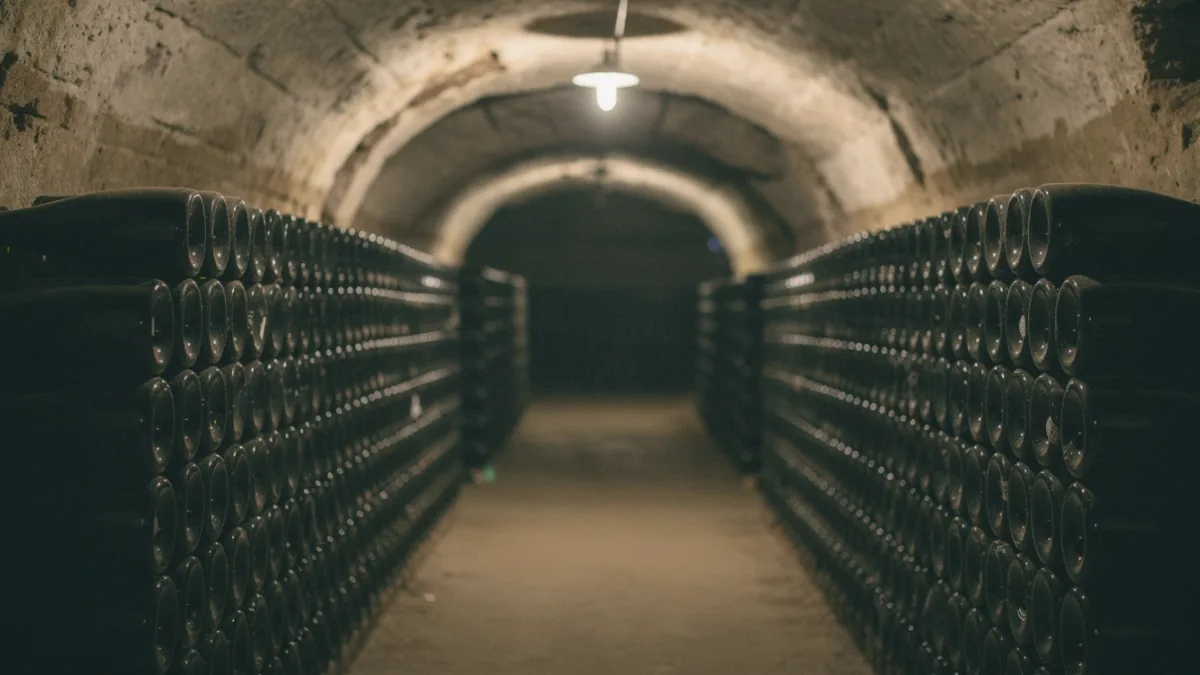
A name tied to origin
Production involves traditional bottle fermentation. However, the name alone doesn't tell you how sweet a particular bottle tastes. That's indicated by Brut or Demi-Sec on the label.
Bottle fermentation means: the wine ferments a second time in the very bottle that will later stand in front of you. The carbon dioxide forms within the wine itself. It isn't added afterward. The method is often highlighted on the label because it's part of the origin story. Still, it won't tell you how the bottle actually tastes.
For that, it's worth checking the sweetness level. Brut sits on the drier side, Demi-Sec noticeably sweeter. If someone says Champagne is too harsh for them, they've often simply picked a sweetness level that doesn't suit their taste. These two words appear in small print on the label. They tell you more about your first impression in the glass than the producer's name does.
What to ask about Champagne in the shop
Should the bottle feel fresh and linear, or riper and reminiscent of pastry? Do you want to sip it on its own or pair it with food? These two questions will guide your choice far better than simply asking for 'a good Champagne.'
A higher price doesn't automatically promise more enjoyment. If you have little experience, a small tasting sample is helpful. Write down the exact name of the bottling. The same producer often offers very different styles. Also try another sparkling wine without prejudice: a different origin might suit the same occasion just as well.
Fresh and linear describes a style that feels citrusy and crisp, showing little in the way of aged aromas. Riper and reminiscent of pastry describes the yeasty, slightly nutty character that develops from longer aging. Both directions can be well made. They simply suit different preferences. So tell the shop which direction you prefer rather than asking about quality.
Asking about the occasion helps more than it might first seem. Enjoyed on its own, a bottle can afford to be edgier, since it has your full attention. Paired with food, what matters is whether it holds its own next to the dish without overpowering it. Leaving both questions open usually gets you a compromise—and that compromise won't truly suit either situation.
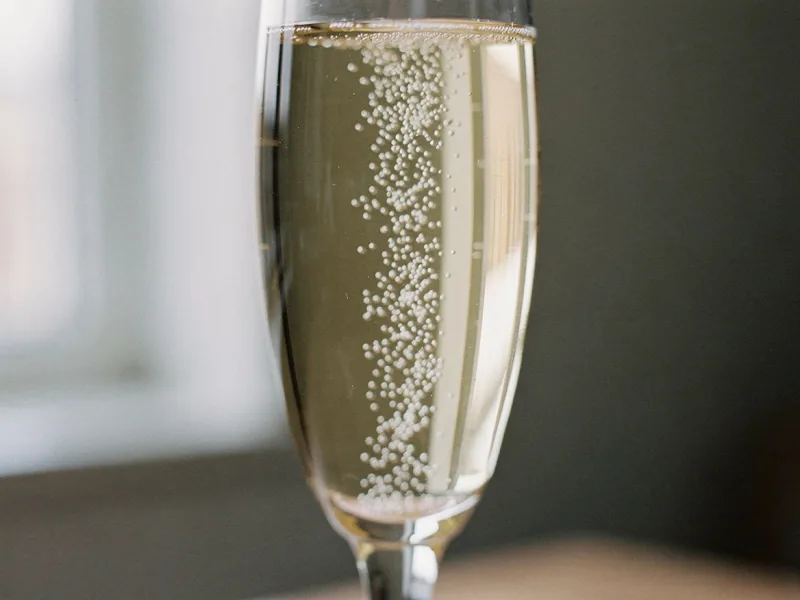
Champagne isn't a word for just any sparkling wine
The most persistent misconception is equating Champagne with sparkling wine in general. In invitations, films and everyday speech, the word often stands for anything that bubbles. In fact, it's correct only for bottles from the Champagne region made according to its rules. Everything else has its own name. And those names are clearly printed on the label too.
The second misunderstanding concerns the method. Traditional bottle fermentation exists elsewhere too. But it doesn't turn a sparkling wine into Champagne. Origin remains the deciding factor. Conversely, that means a sparkling wine from another region could be made using the exact same principle—and might suit your evening just as well. It just goes by a different name.
Putting Champagne next to sparkling wine
Set two bottles side by side that differ in one respect: one drier, one sweeter designation. Same glasses, same chilling, small pours. Served ice cold, almost any sparkling wine tastes similar, because the cold masks the aromas. Slightly less cold, the differences show up much faster.
Write down the full name of the bottling, not just the house name. Add a single sentence: what you liked, what you didn't. After three or four such notes, you'll start to see a pattern. Then you can tell the shop exactly what you're looking for. That will get you further than any recommendation that doesn't know your taste.