Teleki to Franc
Region & History
A vineyard near Nagyharsány still conceals a Roman altar stone, buried deep underground. It once stood in the villa of a settler who planted vines here long before there was a Kingdom of Hungary. Winemaking persisted for centuries. Then the Ottomans arrived, and for more than a hundred and fifty years it lay dormant: tolerated, but eyed with suspicion, while military campaigns laid waste to villages and vineyards more than once.
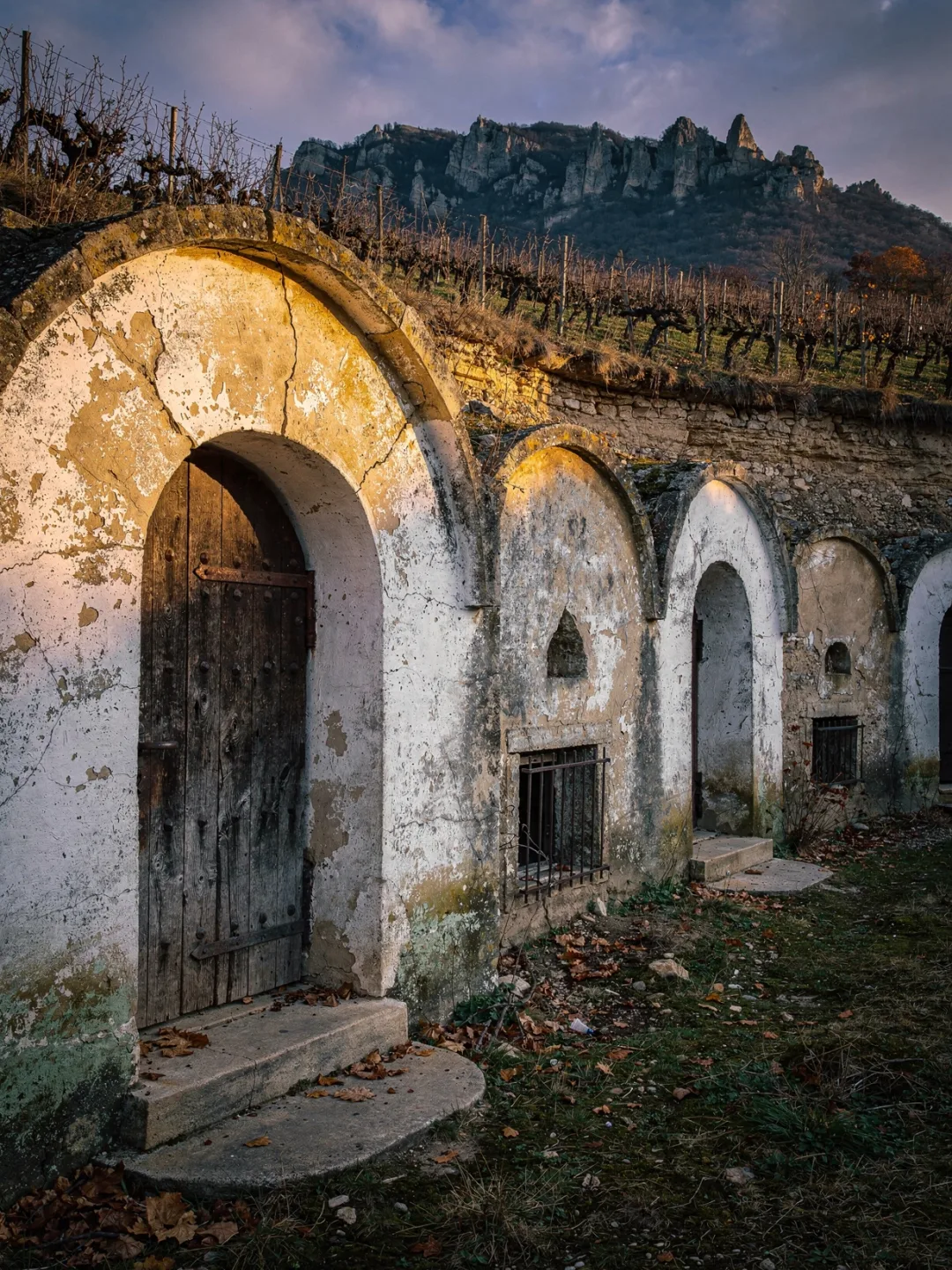
After the Turks withdrew, German settlers from the region around Fulda moved into the emptied villages. Locals still call their descendants Stifolder today. They brought along a hardy blue grape variety, Kékoportó, known in German as Blauer Portugieser, and dug their press houses deep into the soft loess of the slopes. It was this very loess that saved the region's winemaking a second time. The Villány-born winemaker Zsigmond Teleki began crossing American wild vines in 1881. This produced rootstocks onto which local varieties could be grafted without fear of phylloxera. His cross of Berlandieri and Riparia saved Villány, and the same rootstock now grows under vineyards around the world.
Prosperity didn't last long. After 1945, the new Hungarian state expelled most of the Stifolder from their villages. The cooperatives of the socialist decades pressed mostly bulk wine from the remaining vines. Only in 1990, with privatization, could family estates once again bottle their own wines and put their names behind them. What followed is best captured in a single number. Between 1991 and 1997, Hungary's most important winemaker award, Az Év Bortermelője, went to Villány four times: to Ede Tiffán, Attila Gere, Zoltán Polgár, and József Bock.
It was a Brit who wrote the decisive line. The critic Michael Broadbent visited the region in 2000 and declared in Decanter magazine that Cabernet Franc had found its true home here. Villány responded with its own quality seal. Since 2006, only certified wines of the variety may carry the name Villányi Franc. A twelve-member committee blind-tastes every batch, sorted into three tiers from Classicus to Szuperprémium.