Tannin tamed
Production
Red wine is made because the skins ferment along with the juice. With Tannat, this phase is trickier than with almost any other variety. Its skin is unusually thick, its seeds numerous. Both release enormous amounts of tannin and color during fermentation — far more than most wines can handle.
Many bodegas in Canelones therefore chill the must for several days before fermentation, a process known as cold maceration. This extracts the color pigments from the skin first, without pulling in the harshest tannins along with them. The result is wines that are darker and, at the same time, more approachable.
The decisive technique, however, came from France — specifically from Madiran, the ancestral home of Tannat: micro-oxygenation. Patrick Ducournau developed it there around 1991 to solve exactly the same problem Uruguayan winemakers were grappling with. Tiny, precisely measured amounts of oxygen are bubbled through the fermenting or aging wine over the course of weeks. This causes the tannin molecules to link together differently — not less tannin, but coarser, softer chains of it.
Canelones adopted this method early on and adapted it to its own, fruitier style. Additional softening partners come into play in the tank: a splash of Merlot rounds things out, Cabernet Franc adds freshness. Some producers even co-ferment both varieties with the Tannat rather than blending them in later.
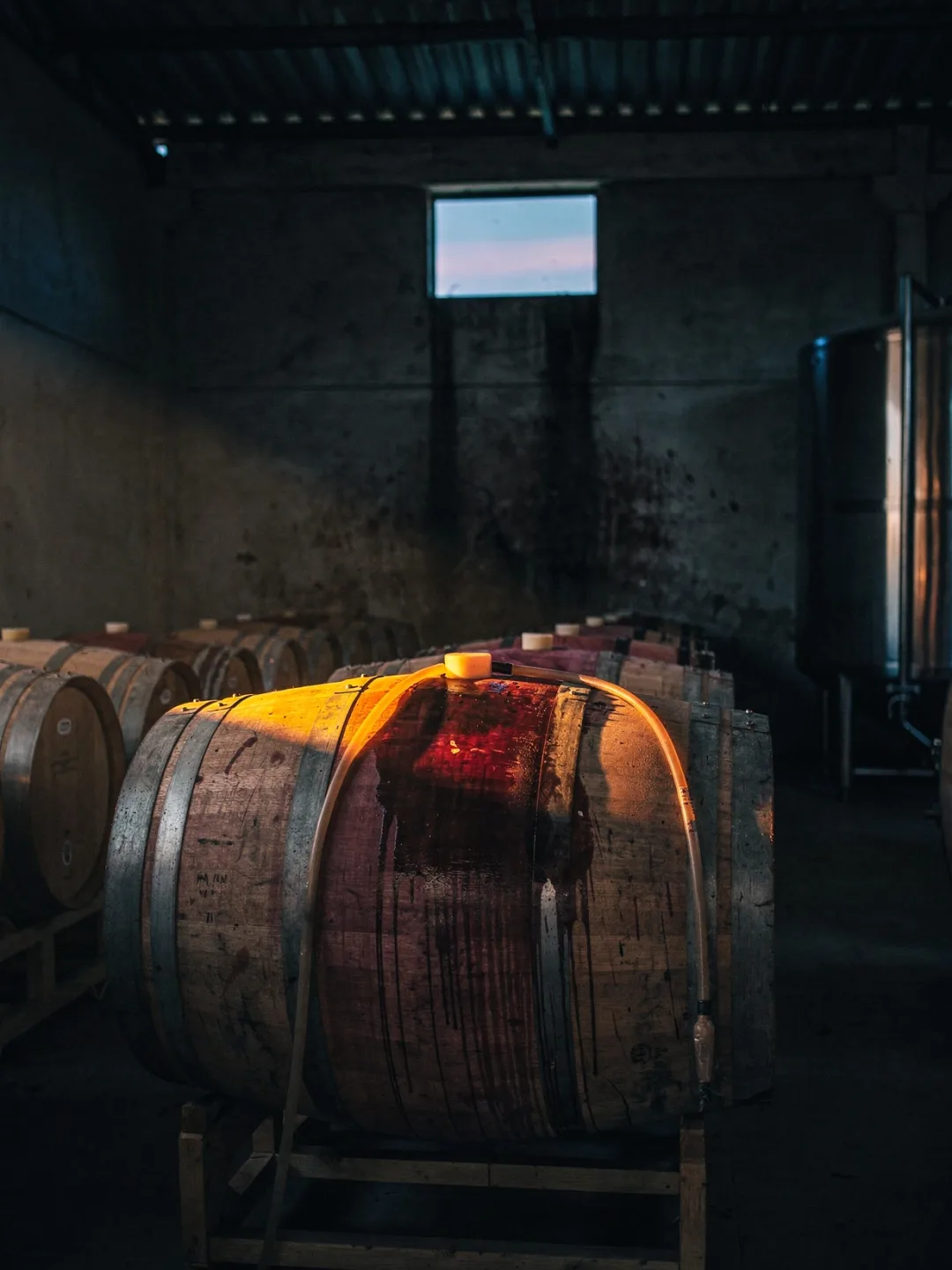
For aging, the larger houses use French barriques of 225 liters. New oak goes to the flagship line, used barrels to the simpler bottlings. The wood rounds the wine out further and layers vanilla and toasty notes over the fruit — for a variety that naturally brings so much structure, this isn't necessarily the right choice for every drinker's palate.