Black, dense, long
Tasting
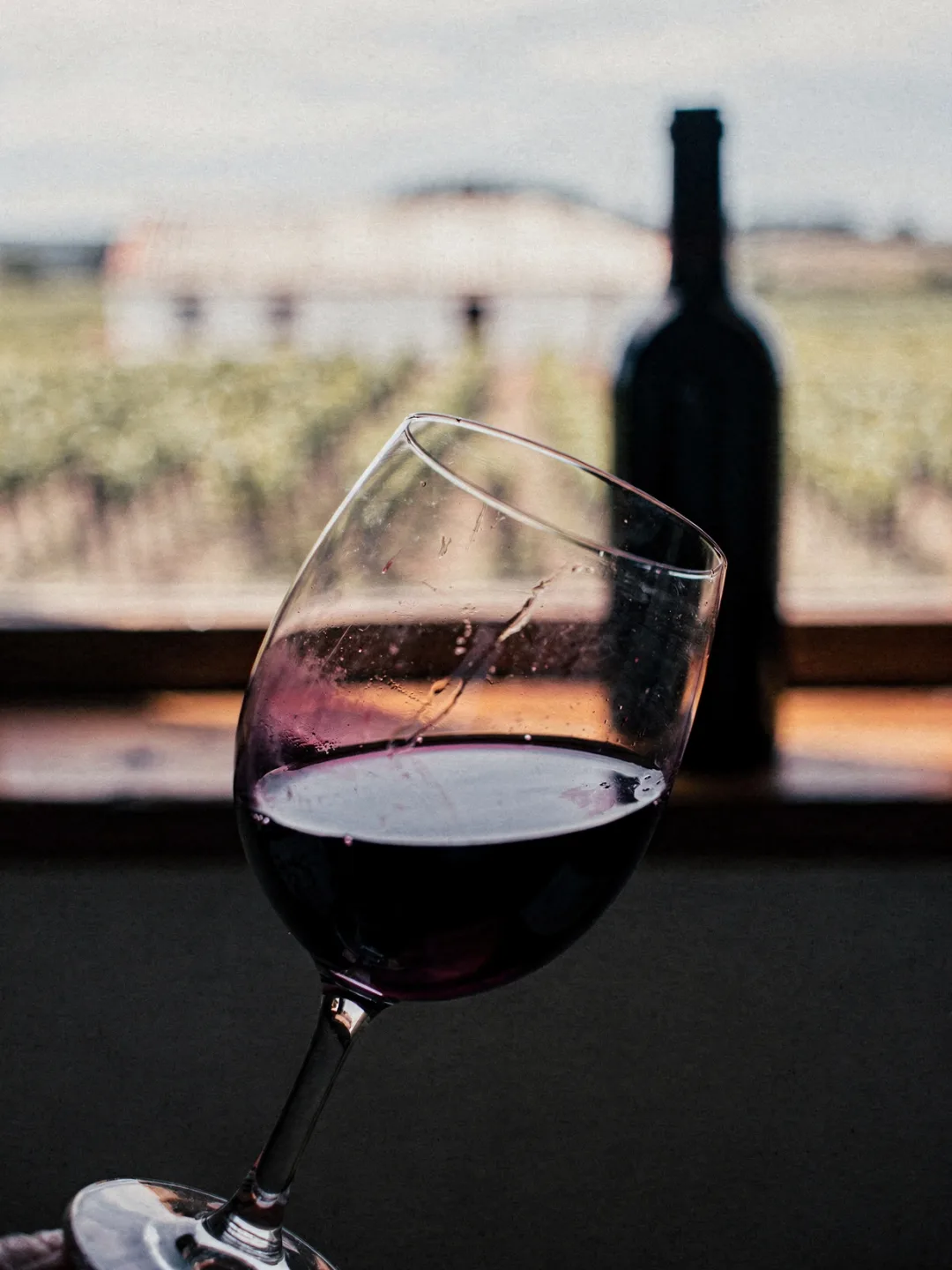
Hold a glass of Tannat from Canelones up against something white and tilt it slightly. Almost no light passes through the center. This is unusually dark even for a red wine, nearly black with a violet rim that only shifts toward brick-red after many years.
Smell first, without swirling. What rises up first is usually dark berries: blackberry, black currant, sometimes ripe plum. Then swirl vigorously, and a second layer emerges — black pepper, dried herbs, and in older vintages a touch of tobacco or dark chocolate.
On the palate, the acidity hits first, along the sides of the tongue, fresh despite the wine's power. This is a legacy of the humid, cloud-covered climate in Canelones, which never lets the grapes ripen under excessive heat. Behind it comes the tannin: a dry, gripping sensation on the gums and palate, often more pronounced than in any Cabernet.
This very tannin is the acid test. In a well-made Canelones Tannat, it feels firm but not bitter, carried by enough fruit and acidity to keep everything in balance. Without that balance, all that remains is a drying wall in the mouth — and that's how you immediately spot the simpler wines.
At the finish, count the seconds. A mediocre Tannat fades after five or six seconds. A great one from one of the old bodegas in Juanicó or Las Piedras carries the flavor for twenty seconds or more, with a slowly fading peppery note that lingers last.