Barley, corn, rules
Grain
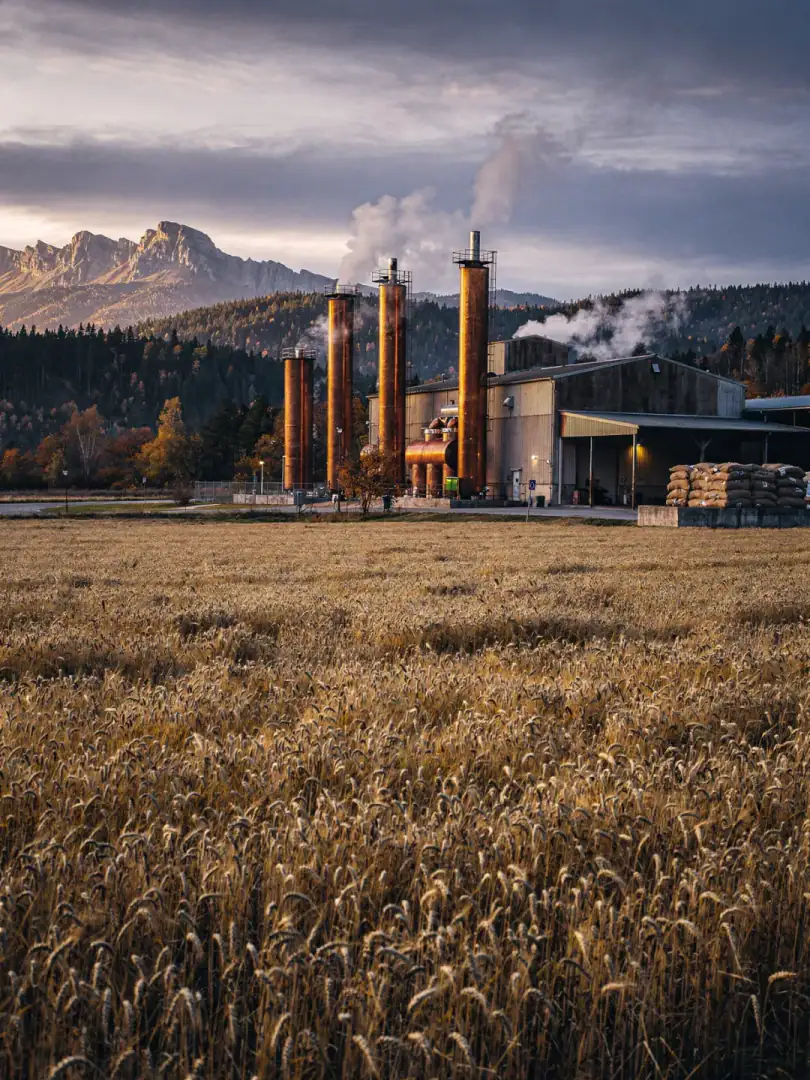
Under one roof, Nikka distills two completely different whiskies at Miyagikyo. For the malt whisky, malted barley takes center stage, as in any malt distillery. For the second type, grain whisky, corn and other unmalted grains are added, processed in the distillery's own Coffey stills.
This combination is rare in Japan. Most distilleries have either pot stills for malt whisky or columns for grain whisky; Miyagikyo has had both under one roof since the 1960s. Masataka Taketsuru wanted to be able to combine malt and grain whisky into blends in-house later on, rather than having to buy in grain distillate from elsewhere.
In Koriyama, by contrast, Sasanokawa works only with malted barley, but in two variants. For the mild line, unpeated malt goes into the mash; for the peated line, Yamazakura Blend Peated, part of the malt is smoked with peat and later blended with the unpeated casks. This way, the same barley yields two very different whiskies—one pure, one with a smoky aroma.
Since 2021, the industry association JSLMA has regulated more precisely than before how much grain must actually come from Japan. Anyone wanting to call their product "Japanese Whisky" must use malted grain, mash only with Japanese water, and have the mashing, fermenting, and distilling take place within the country. The rule doesn't specify where the barley itself must be grown, so many distilleries continue to buy it from Europe.
For Miyagikyo, running these two tracks means above all one thing: both the floral malt whisky and the milder grain whisky, from which Nikka blends its well-known whiskies, come from a single distillery. No path around Sendai is possible if both building blocks are to come from the same house.