The short answer
Blended Scotch combines malt and grain whiskies. Blended Malt Scotch combines only malt whiskies, but from multiple distilleries. The word blend simply means mixed and says nothing about quality.
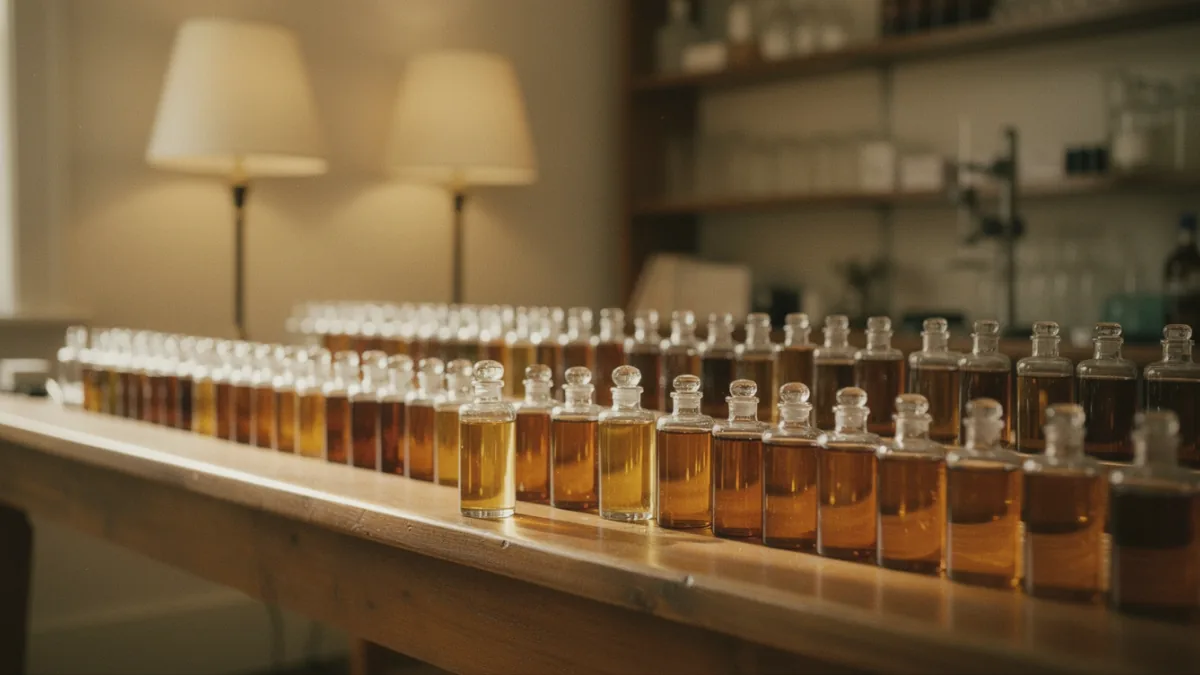
Read the full designation
The word following Blended matters. Malt and Scotch aren't interchangeable there. The categories tell you which whiskies have been combined. They don't tell you whether you'll like the result.
In practice, this means: if the label just says Blended Scotch Whisky, malt and grain whiskies have been combined. If it says Blended Malt Scotch Whisky, only malt whiskies go into the bottle, just from more than one distillery. Two words make the difference, two different contents. Skimming quickly through the shelf, it's exactly this spot that gets overlooked.
The addition Single Malt, in turn, means the contents come from a single distillery. This, too, is a statement about origin, not yet a judgment on taste. The designations sort out what has been combined. How the result tastes is decided only in the glass. There's no shortcut for that on the label.
Why blending happens at all
Whoever blends is pursuing a particular style. When shopping, I'd ask about the result instead: soft, smoky, fruity, or bold? If you only accept Single Malt, you're ruling out a huge range before you've even tasted it.
For a fair comparison, use similar alcohol strengths and set the prices aside for now. Write down your impression before looking at the label. This way you'll notice whether you're judging the liquid in the glass or your expectation of a category. A blend is allowed to be your favorite whisky, no explanation needed.
Blending is a craft. Whoever combines several whiskies is working toward a flavor profile that none of the components could achieve alone. Edges are smoothed out, one note comes forward, another recedes. The most useful question in the shop is therefore: which direction does this whisky go in? The number of distilleries involved helps you very little by comparison.
For a comparison at home, two glasses with small amounts are enough. Smell first, then take a small sip, with a little water in between. If you like, add a few drops of water to the whisky and notice what opens up. Jot down a few keywords about what you notice before looking at the bottles again.
Distinguishing Blended Scotch from Blended Malt
The difference lies in a single word, and it determines whether grain whisky is in the glass too. The matching question for the shop is listed alongside each one.
As a memory aid: if Malt appears in the designation, only malt whiskies have been combined. Everything else is best clarified through style, meaning smoke, fruit, and the character imparted by the cask.
| Designation | Composition for Scotch | Practical question to ask |
|---|---|---|
| Blended Scotch | Malt and grain whiskies | Which flavor direction is this blend going for? |
| Blended Malt Scotch | Malt whiskies from various distilleries | How do smoke, fruit, and cask character differ? |
What 'Blended' on the label means
Look on the label for the full category designation. It's often printed small above or below the brand name and consists of several words that belong together. Reading only the word Blended and skipping the rest regularly leads you astray. That's exactly where it says whether grain whisky is involved.
If the designation is unclear or printed very small, just ask staff directly: is grain whisky involved here, or only malt from multiple distilleries? That clarifies the category. The second question concerns style, meaning soft, smoky, fruity, or bold. No category will answer that for you.
Blended doesn't mean worse
The most persistent misunderstanding: that Blend sounds like a put-down. The designation describes how the contents came together, and nothing else. Whether you like a whisky depends on the aromas, the mouthfeel, and the drinking strength. The number of distilleries involved plays no role in that. A blend can taste better to you than a Single Malt, and you owe no one an explanation.
Second misunderstanding: that Blended Malt and Blended Scotch are the same thing, just written differently. They differ in what goes into them. Third, blending is sometimes seen as a stopgap used to mask weaknesses. In fact, the blend is a decision about style, made before the bottle is even filled.