Water from Granite
Water & Climate
Water is no side note in Central Japan. It's the reason these distilleries stand exactly where they do and nowhere else. Each of the four chose its site based on the source, not the other way around. And each tells a different story of how water travels through rock and time.
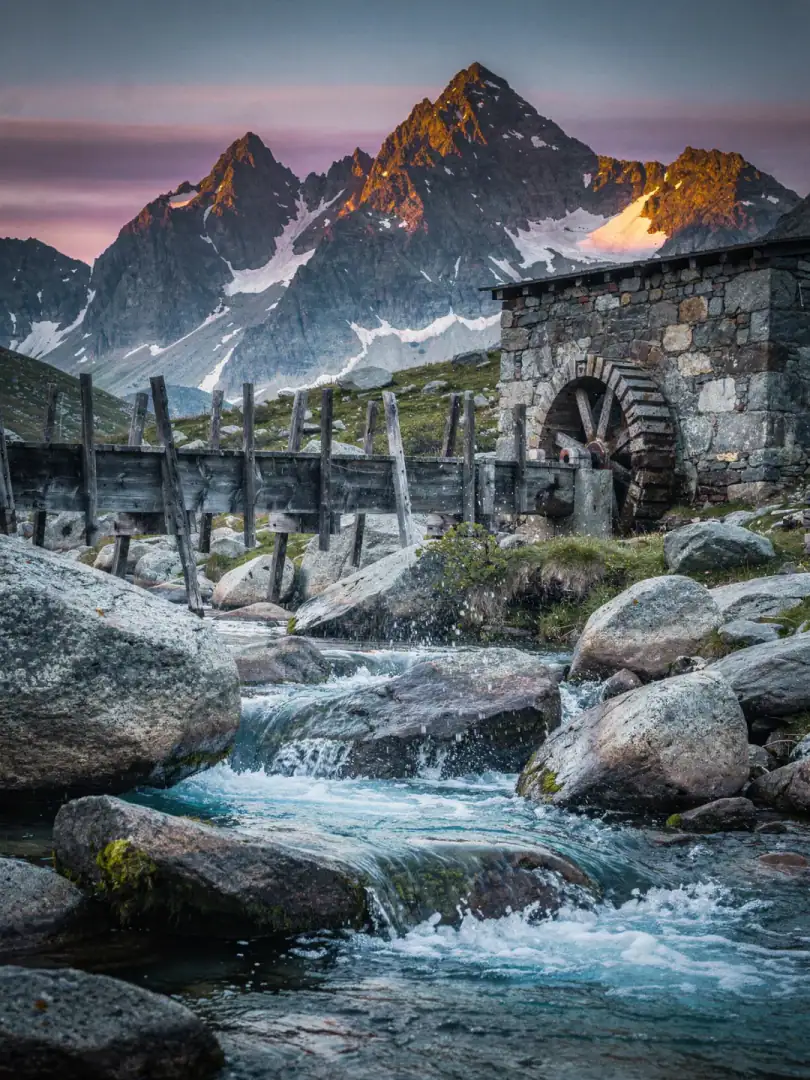
At Hakushu, the water's journey takes the longest. Rain and snowmelt seep through the granite of the Minami Alps. That takes roughly twenty years before the water resurfaces below, soft and low in minerals. What the distillery distills, then, is older than some finished whiskies.
Chichibu sits in the valley of the Arakawa River, surrounded by the mountains of Chichibu-Tama-Kai National Park. The distillery draws from artesian wells that have also supplied the town's sake breweries for centuries. The water pushes up on its own, no pump required, a sign of just how much pressure builds beneath the limestone of Mount Bukō.
At the foot of Kiso-Komagatake in the Central Alps, a river runs right past Mars Shinshu, fed by snowmelt from the surrounding three-thousand-meter peaks. It was this very water that decided the site in 1985, right in the middle of Nagano. The distillery sits at nearly 800 meters, the highest elevation of any distillery in Japan.
Fuji Gotemba draws its water from Mount Fuji's own groundwater. The distillery sits at 620 meters on the mountain's southeastern flank. Kirin chose the location deliberately in the early seventies for its climate: cooler and drier than the rest of Japan. The average annual temperature is around thirteen degrees Celsius, closer to Scotland's than anywhere else in the country.