Alps & Ocean
Water & Climate
New Zealand lies in the middle of the South Pacific. This ocean shapes the climate of nearly every distillery in the country. In Oamaru, the New Zealand Whisky Collection stores its casks. The old harbour district sits right on the coast. Sea air drifts through the open warehouses, leaving a salty streak in the finished whisky that the distillery itself describes as a hint of Oamaru sea spray.
The climate in Central Otago, deep in the interior of the South Island, works quite differently. It's considered New Zealand's most continental climate. Summers turn hot and dry, winters cold, and the difference between day and night is stark. Right in the middle of the vineyards that made the region famous as Pinot Noir country stands Cardrona Distillery.
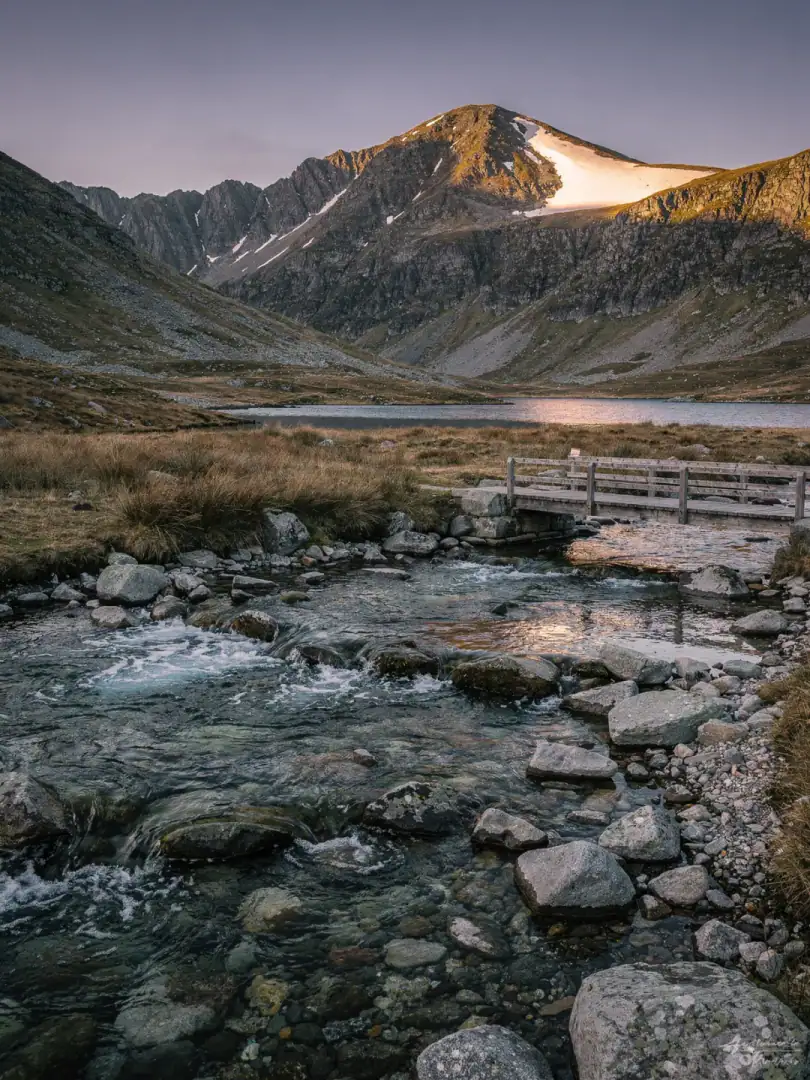
The Canterbury Plains draw their distilling water from artesian springs. They lie at the foot of the South Alps, the high mountain range that divides the South Island from west to east. Even the old Willowbank distillery used water from the nearby Lammerlaw Range. The mountain range's name later even gave the whisky itself its name.
Meltwater from the South Alps is considered especially low in minerals and pure. It seeps through rock, barely through peat bogs, before emerging from the spring. This makes for a distinctly different character than the soft, peat-brown water of Scottish Highland distilleries.
Rainfall is distributed very unevenly across New Zealand. The West Coast of the South Island is among the wettest regions on Earth. Central Otago, by contrast, stays dry, lying in the rain shadow of the Alps. This range within such a small area is rarely found in any other whisky-producing country.