Canada and New Frontiers
Canadian Whisky and New Styles
Canada grants its distillers unusually broad freedom, and new whisky styles keep emerging worldwide. American Single Malt is the newest official US style, legally defined since January 2025. It shows that the story of whisky is far from finished.
What Makes Canadian Whisky Special
Canadian law sets hardly any fixed grain requirements for whisky, unlike the US with its percentage thresholds for Bourbon or Rye. Distilleries are allowed to distill different grains separately and blend them only afterward, giving them unusually broad freedom in the recipe.
This freedom explains why whisky bearing the word Rye on the label is sold in Canada even when it often contains only a small proportion of rye, quite unlike the strictly regulated American Rye Whiskey.
This openness has historical roots: Canada's whisky tradition emerged strongly in the 19th century from the grain milling and agricultural industry, not from a single protected craft tradition as in Scotland. To this day, this pragmatic origin shapes how relaxed Canadian regulations are by international standards.
American Single Malt: The Newest Official Style
Only since January 19, 2025 has American Single Malt Whiskey counted as its own legally defined category in the US. Requirements include one hundred percent malted barley, production at a single US distillery, and maturation in oak casks with a capacity of no more than 700 liters.
Before that, distilleries could already use the name, without any uniform rule behind it. The new standard creates clarity for customers and a fair basis for comparison between producers for the first time.
Before the new rule, some producers already used the term American Single Malt for marketing purposes. There was no consistent definition behind it, which caused confusion among customers. Associations from the emerging American single malt scene had therefore pushed for legal regulation themselves for years.
How the New Style Differs from Single Malt Scotch
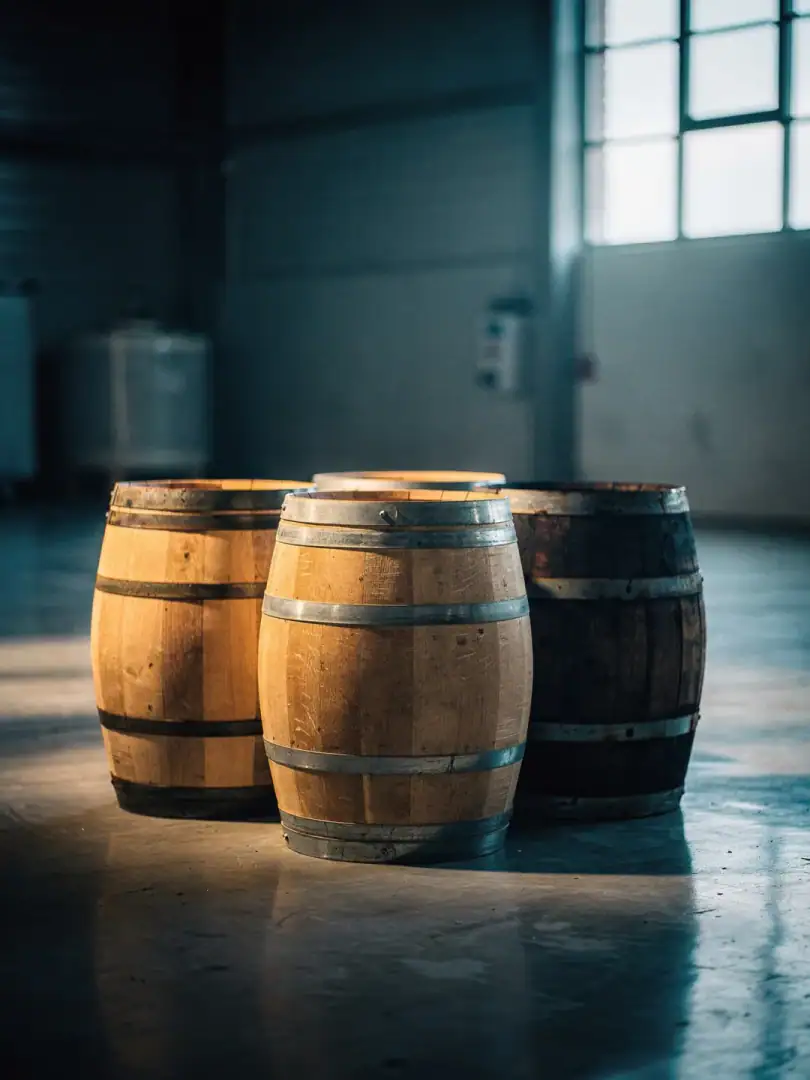
American Single Malt shares pure barley and single-distillery production with its Scottish counterpart, but allows more flexibility with casks: alongside used casks, new, uncharred, or entirely new charred oak casks are also permitted, something Scotch does not allow in this form.
American distillers gladly use this flexibility to experiment with cask types uncommon in Scotland, such as heavily toasted new casks that deliver bolder vanilla and spice notes.
This additional freedom in cask selection allows American distilleries faster maturation cycles, since new casks interact more intensely with the whiskey than used ones. In warmer US states, this effect is further amplified, so some American Single Malts already seem surprisingly mature after just a few years.
Why Hot Climates Speed Up Maturation
In India and Taiwan, the warm, humid climate causes whisky to mature considerably faster than in Scotland. Higher temperatures make the whisky interact more intensely with the cask wood, so flavors develop within just a few years that would take a Scotch whisky a decade to achieve.
This speed comes at a price. The so-called Angel's Share, the portion that evaporates during maturation, is often ten percent or more per year in hot climates. In Scotland, by contrast, it usually stays around two percent. Distilleries in India and Taiwan therefore lose considerably more cask contents. The shorter maturation time needed partly offsets this, however.
Where Whisky Is Heading Worldwide
Besides the US, countries such as India, Taiwan, and several European nations are also building their own whisky traditions, often in warmer climates that speed up maturation. Each of these countries adapts its rules and styles to its own agriculture and climate.
The variety of grains, rules, and styles this journey has revealed keeps growing. Once you understand the basics of barley, corn, rye, and wheat, you can quickly recognize the lineage of even a brand-new whisky.
This diversity is also taking hold within Europe. From France to the Netherlands to Germany, small distilleries are emerging that combine their own grain and cask traditions with the international basic rules. This journey therefore doesn't end with a fixed canon. It ends with a tool that lets you classify any new whisky you encounter.