The short answer
Japanese whisky isn't one uniform flavor profile. Check where the whisky was actually distilled and matured. A Japanese-styled bottle doesn't yet prove that every step took place in Japan.
Why you should read the label closely
For Japanese whisky, industry standards on origin have gained importance. Such standards are set by an association for its members. That's something different from a legal origin guarantee applying to every producer. A Japanese brand name, characters or a bottling address don't explain every production step. What helps further are concrete statements about distillation, maturation and bottling.
Concretely, this means: a product can be styled to look Japanese and carry a Japanese name, yet still contain whisky distilled wholly or partly elsewhere. That's not prohibited — it simply isn't spelled out everywhere. If you want to know the difference, look on the label for explicit statements about distillation and maturation.
Industry standards have improved a lot here, but they only bind their members. A reference to them is usually a good sign; its absence, conversely, proves nothing. When in doubt, asking the retailer will get you further than the bottle's design.
Single Malt and Blend are both worth exploring
Japanese producers work with different distillation methods, with malt and grain whiskies, and with various cask types. A blend is therefore not the duller choice. Conversely, Single Malt guarantees no particular flavor either — the term only states that the whisky comes from malted barley and a single distillery. Better to pay attention to the description of the specific bottling: fruity, spicy, malty, smoky or strongly wood-driven. A blend combines different whiskies into a new whole — that takes craft in its own right. A carefully built blend can please you just as much as a Single Malt.
Mizunara doesn't explain everything
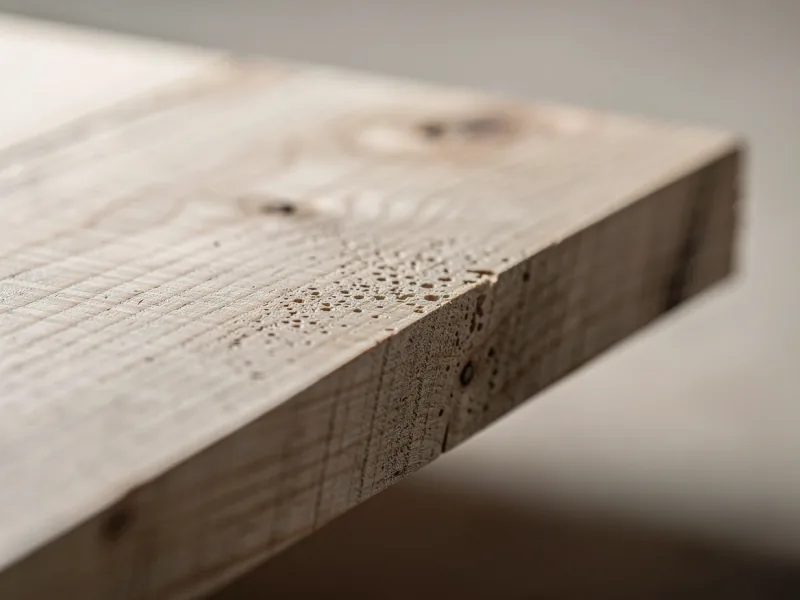
Mizunara is Japanese oak. It can play a role in maturation. That doesn't mean every Japanese whisky is matured in it or smells the same. A 'finish' statement also describes something different from full maturation in one cask type. Finish means the whisky moves into this cask for a while only at the end. Ask about duration and extent whenever this particular point is supposed to justify the price.
Mizunara casks are rare and tricky to work with, since the wood easily becomes leaky. Bottlings fully matured in mizunara are scarce. Usually it's a finish of a few months. That does shape the whisky considerably, but it doesn't replace the years spent before that in another cask.
A starting point without the collector's markup
Start with a small sample or a clearly described bottling. Think beforehand about what you'll use it for. A highball with well-chilled soda is a different exercise from a concentrated neat tasting. In a highball, what matters is whether the whisky still shows character when diluted. Neat, what matters is how it holds up unaided. Scarcity, nice packaging and collector prices say nothing about whether you'll actually enjoy a whisky. Jot down a few keywords after your first glass. That will point you in your own direction next time you buy — and that note will help you more than any 'best of' list.