The short answer
Many distilleries in Germany produce whisky, and each one does it differently. That's why there's no such thing as a typically German taste. The individual bottle tells you more: what grain went in, where it was distilled, and how long the whisky spent in the cask. The more openly a distillery shares this, the easier your choice becomes.
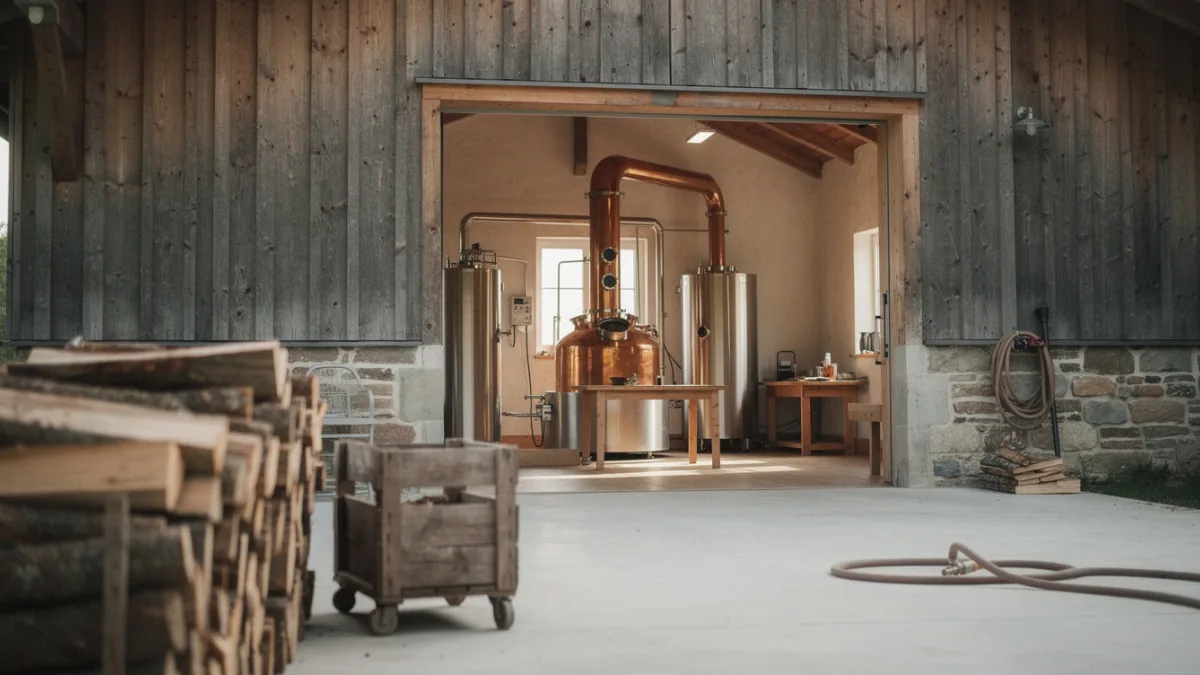
There's no such thing as a typically German taste
German whisky comes from very different backgrounds. Some producers were breweries before, some were fruit distilleries, and some are dedicated whisky operations. Four things ultimately shape the flavor: the grain, the fermentation, the still, and the cask. Anyone who understands these four points knows more about a bottle than the country of origin ever tells them.
This doesn't mean an advantage or a disadvantage compared to the well-known whisky nations. Good and mediocre exist everywhere. What matters is what each individual producer makes of their raw material.
Still, where a distillery comes from explains a lot. Those who brewed beer before know malt and fermentation inside out. That's already a big part of the work, since whisky begins as a mash. Those who come from fruit distilling have spent years working with the still and with delicate fruit notes. Both paths lead to whisky. They just don't lead to the same whisky.
Distilled, matured, or just bottled?
A German company address on the label says nothing about where the contents actually come from. It only tells you who sells the bottle. Instead, look for two other pieces of information: where it was distilled and where the whisky was matured. For blends, it's also worth knowing which components went into the mix.
The exact wording matters. "Distilled and matured in …" is a genuine statement about production. "Bottled in …", on the other hand, only refers to the final step. Someone filled the whisky into bottles. It may have been distilled by a completely different producer elsewhere.
If a label mainly tells a nice story and leaves production vague, ask in the shop. A distillery that distills its own whisky is usually happy to say so clearly. If the answer stays vague, that tells you something too.
This isn't a uniquely German problem. It just stands out more here because many producers are young and the market is still hard to navigate.
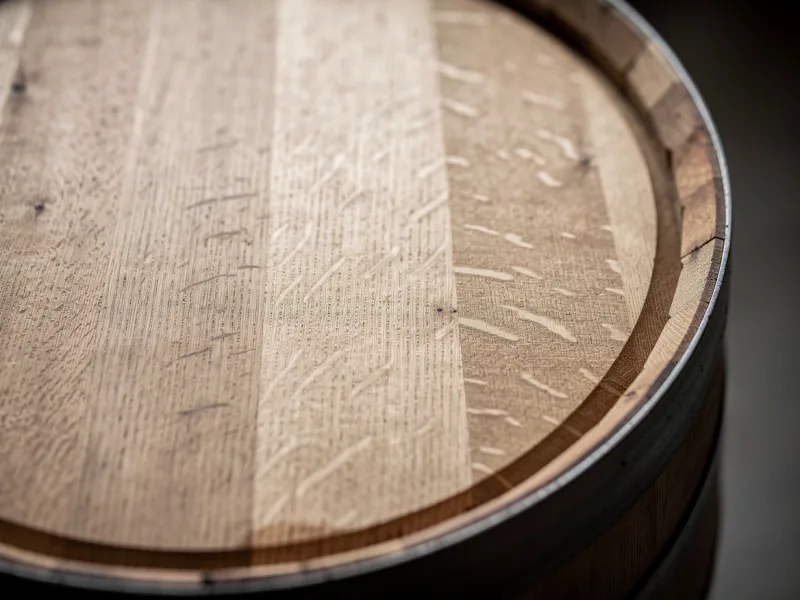
What cask information really tells you
The cask has a strong influence on flavor. If it previously held wine, beer, or a sweet wine, the wood passes on its own notes. That's why cask names are often prominently featured on the bottle.
There's one word you should know: finish. This refers to an additional maturation period at the end. For this final phase, the whisky moves into a different cask. A finish therefore doesn't describe the entire maturation time, only its concluding stage. Always ask how long this phase lasted.
More cask names on the label don't mean higher quality. Two questions are more useful: What flavors are they aiming for? And can I get a small sample before buying the whole bottle?
German distilleries often use casks from their own region, such as former Riesling or sweet wine casks. That's appealing and unusual. But it calls for honest disclosure. A finish of just a few months has a different effect than maturation over several years. Both get marketed under the same cask name.
Proximity is the real advantage
Many distilleries are close enough for a visit. There you can see the grain, the still, and the cask warehouse in a single afternoon. After a tour like that, you'll read every label differently. The terms on it will finally have a picture behind them.
Still, three things matter most for a purchase: the taste, how you plan to drink it, and your budget. Try to compare bottles with similar strength. Otherwise you're mainly comparing strength, not style. And don't expect German whisky to imitate Scotch. A distinct style all its own can be exactly the exciting part.