Emigration and Invention
Smirnoff Goes to America
An insolvent émigré business became the world's best-selling vodka brand. The story of Smirnoff shows how a chance meeting between two entrepreneurs, a bartender with ginger beer, and a clever advertising slogan made vodka socially acceptable in America.
From Moscow Purveyor to the Court to Émigré
In the late 19th century, Pyotr Smirnov had built his Moscow distillery into the official purveyor to the Tsar's court, making him one of Russia's most famous alcohol producers. After the revolution, the family lost the factory and its fortune; his son Vladimir Smirnov fled via Constantinople to Paris and tried to rebuild the brand there under the Frenchified name Smirnoff. Commercial success eluded him, however, and in 1933 he sold the American rights to the brand to the Russian-born entrepreneur Rudolph Kunett, who already operated a small spirits plant in the US.
Kunett's Difficult Start in the US
Kunett initially produced Smirnoff vodka in a converted factory building in New York State, but sales remained meager during the Great Depression. Americans barely knew vodka and had little idea what to do with it, while whiskey and gin dominated the market. In 1939, Kunett sold the struggling company to the beverage firm Heublein, which was itself initially unsure whether this foreign spirit could ever catch on in the United States.
The Invention of the Moscow Mule
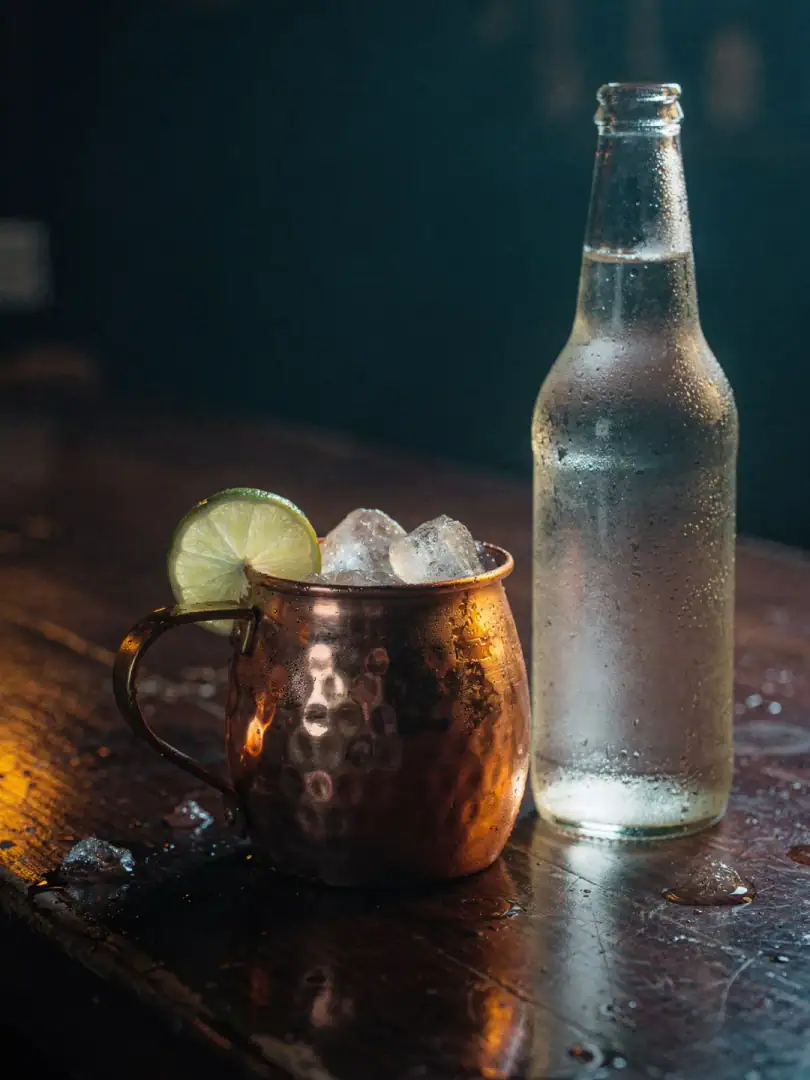
The breakthrough came almost by chance in 1941 at a Hollywood bar called the Cock n Bull. Its owner, Jack Morgan, was looking for a way to sell his homemade, barely marketable ginger beer, while Heublein manager John Martin wanted to get rid of surplus vodka. The combination of vodka, ginger beer and lime resulted in the Moscow Mule, served in a distinctive copper mug. Martin used the cocktail deliberately as a marketing vehicle, traveling through American bars with a Polaroid camera and photographing bartenders with the new drink, an early example of targeted product marketing through the hospitality trade.
Vodka Becomes an American Mass-Market Product
Heublein's advertising slogan, that Smirnoff leaves you breathless but not speechless, played deliberately on vodka's neutral flavor: you could drink it without anyone smelling it on your breath. This quality, regarded for centuries in Europe as more of a lack of character, became a selling point in the US. Within just a few years, Smirnoff rose to become the best-selling spirits brand in North America, paving the way for the broader vodka boom of the following decades, the next stop on this journey.
Competition from Other Émigré Brands
Smirnoff was not the only brand brought to the US by émigrés. The Wolfschmidt family, originally from the Baltics, also tried, with a similar background, to gain a foothold in the American market. Both brands competed over the following decades for the same small but growing customer base. At first, sales remained modest for everyone involved, since most Americans simply had no idea what vodka was.
In the end, the difference between the brands lay less in the product than in the marketing. Heublein invested strategically in advertising, distribution networks and the clever pairing with the Moscow Mule. Other producers relied more heavily on their traditional heritage story alone. This marketing edge secured Smirnoff's leading position among American vodka brands for decades, long before premium brands like Absolut changed the rules of the game once again.
For Rudolph Kunett personally, Smirnoff's later success remained bittersweet, since he had sold the brand years earlier out of financial necessity. His early pioneering work in introducing vodka to the American market at all was nearly forgotten in the process. Only later, retrospective company histories recalled how many failed attempts it took before vodka became a mass-market product in America. His name virtually vanished from the advertising, even though without him the whole success story would hardly have begun.