The short answer
Vodka can be made from many raw materials — grain and potatoes are just the best-known ones. Even so, it's not entirely without flavor.

Potato or Wheat Says Less Than You'd Think
Fermentation, distillation method, filtration, and water all play as much of a role in the result as the raw material does. You can't deduce the flavor just from "made from potatoes." If the raw material interests you, check the label instead of guessing from the country of origin. Flavored varieties are a category of their own.
Vodka is deliberately made to retain as little character as possible: repeated distillation and filtering strip out exactly what's prized in other spirits. That's the whole point of the category, not a flaw. What remains are subtle differences in mouthfeel.
That's why blind tasting is especially instructive here. Without the label, even experienced tasters struggle to tell an expensive bottle from a cheap one. With whisky or gin, it's a different story.
What to Look for When Tasting
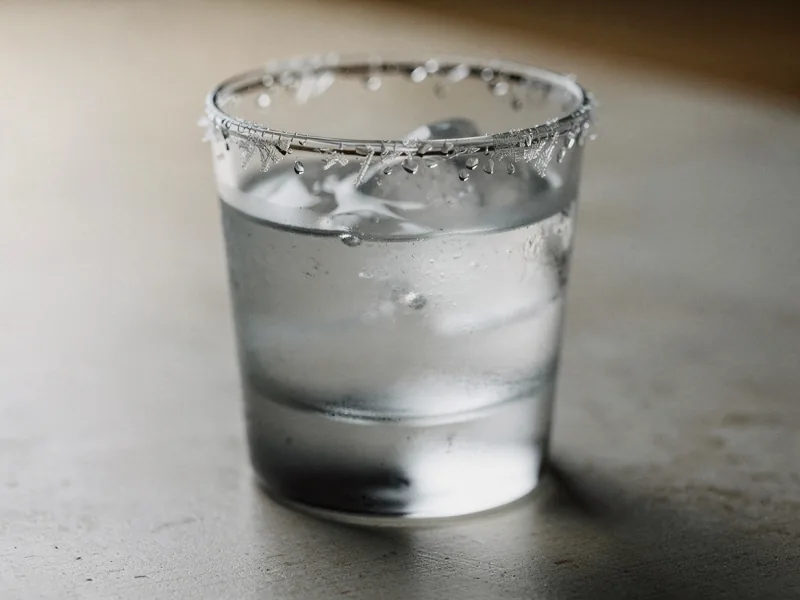
Take a small amount and pay attention to three things: how it feels in the mouth, whether you pick up grain or other base notes, and how sharp the alcohol feels. Ice-cold, you barely taste anything at all — so compare at similar temperature and similar strength. A vodka tasting neutral is intentional, not proof that all bottles are the same.
Vodka in Cocktails
In a Moscow Mule it meets lime and ginger beer. In an Espresso Martini, coffee and coffee liqueur take the lead. The Bloody Mary has a savory tomato base. A vanilla or citrus variety makes sense when the recipe calls for it — it doesn't replace neutral vodka without changing the flavor.
What matters when buying
Buy according to what you're planning to make, a clear description, and your budget. A cocktail with bold ingredients often calls for a different bottle than a small neat tasting. In the end, what counts is the finished drink, not the bottle.
"Distilled seven times" on the label is marketing, not a quality claim. Distilling more often removes more, making the vodka more neutral. Whether that's better depends on the use — in a Bloody Mary with bold ingredients, it hardly matters anyway.