Cocktails and Hollywood Glamour
The Postwar Vodka Boom
Between the 1950s and 1980s, vodka transformed from an exotic import into the best-selling white spirit in the Western world. Cocktail culture, the Cold War and a British secret agent each played their part.
Screwdriver, Bloody Mary, and the Cocktail Wave
After the success of the Moscow Mule, American bartenders in the 1950s discovered further uses for vodka. The Screwdriver, simply mixed from vodka and orange juice, quickly spread as an uncomplicated after-work drink. The Bloody Mary, originally served with gin, was increasingly made with vodka, because its neutral character did not mask the bold flavors of tomato juice, spices and lemon. Vodka thus took on the role, in many classic cocktails, of an almost invisible yet indispensable base.
The Cold War as an Unexpected Marketing Aid
Paradoxically, the Cold War boosted sales of a drink that many Americans associated with the Soviet Union. Vodka from Western production, Smirnoff foremost among them, could be marketed as exotic and elegant without seeming politically provocative, because the brand had long been American-owned. Its neutral flavor also fit perfectly with the lifestyle of the rising middle class, who wanted uncomplicated, versatile drinks for a sociable evening, without the pronounced character of whiskey or gin.
James Bond and the Vodka Martini
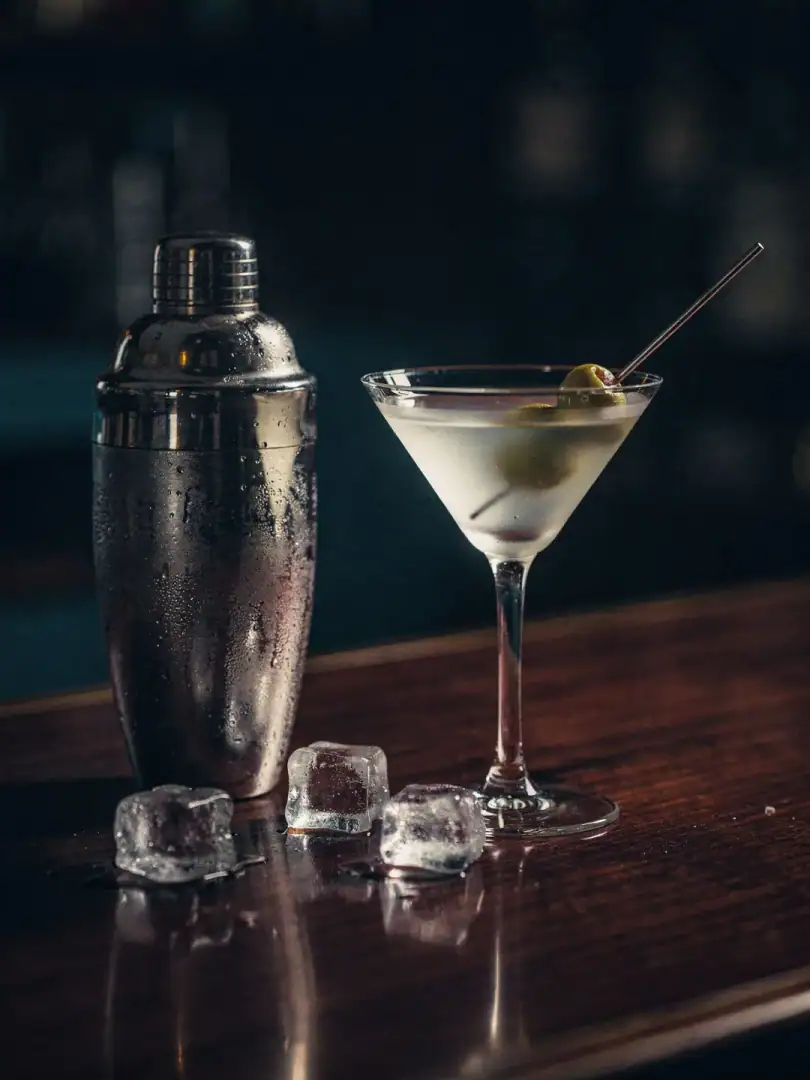
A decisive boost to vodka's popularity came from the film character James Bond. Already in the first Bond film, Dr. No, from 1962, the agent orders a vodka martini, and in Goldfinger from 1964 comes the famous line shaken, not stirred. These scenes shaped, for decades, the image of a cultivated, worldly vodka drinker and turned the vodka martini into a symbol of a glamorous lifestyle, far removed from the drink's rustic origins in estate distilleries and monasteries.
From Niche Drink to Bestseller
Well into the 1980s, vodka sales kept growing steadily in the US and Western Europe, aided by aggressive marketing from major companies and the rising cocktail culture in bars and private homes. In many countries, vodka temporarily even displaced gin as the most popular white spirit. But with this mass success came growing competition between brands, and starting in the 1980s, a new kind of contest began: no longer about the widest reach, but about the most expensive and exclusive bottle on the shelf, as the next stop will show.
East-West Trade in Vodka
The vodka boom was not confined to Western brands. Soviet vodka also found its way to the West, above all the state export brand Stolichnaya. In 1972, the American beverage company PepsiCo struck an unusual barter deal with the Soviet Union. Because the ruble was not freely convertible internationally, PepsiCo traded its cola concentrate for the distribution rights to Stolichnaya in the United States.
This agreement made Pepsi the first American consumer good officially sold in the Soviet Union, and in turn brought Soviet vodka onto American shelves, right in the middle of the Cold War. For many American drinkers, this was their first encounter with a vodka that was actually Russian rather than merely American-made. The deal showed just how intertwined economics and politics had become, even across the systemic divide of the Cold War, of all things through a drink whose own origins could never be definitively settled.
Other Eastern European states also exported vodka to the West during this period, specifically to earn much-needed foreign currency. Polish brands such as Wyborowa found buyers in Western Europe early on this way. Spirits exports thus became, for several socialist countries, a reliable and politically comparatively unremarkable source of income. This economic entanglement outlasted the Cold War and still shapes the export structures of Polish and Russian brands today. Anyone who finds a bottle from that era on a shelf today is holding a piece of Cold War trade history in their hands.