Cool and Slow
Yeast & Fermentation
Is bock beer top- or bottom-fermented? Nearly always bottom-fermented today. Bottom-fermenting yeast works at cool temperatures and settles at the bottom once fermentation ends. This gives the beer a clean, crisp character, without the fruity side notes that warm-fermented yeast produces. The 17th-century Munich bock took this path, and most beers of this name follow suit today.
In Einbeck itself, things likely ran differently. According to widespread accounts, the Hanseatic Einbeck beer was a top-fermented brew, fermented warm. Exactly when the town switched to bottom fermentation isn't documented here. What matters is this: when someone says "Bock," they mean a style defined by high original gravity, not a specific yeast. A Weizenbock, for instance, is top-fermented.
Nobody back then knew what yeast actually was. A little sediment was carried over from one brew to the next, without anyone realizing that living cells were consuming the sugar. Only in the 19th century did Louis Pasteur and Emil Christian Hansen demonstrate what was really happening in the vats. In 1883, Hansen cultivated the first pure strain of bottom-fermenting yeast at the Carlsberg laboratory in Copenhagen.
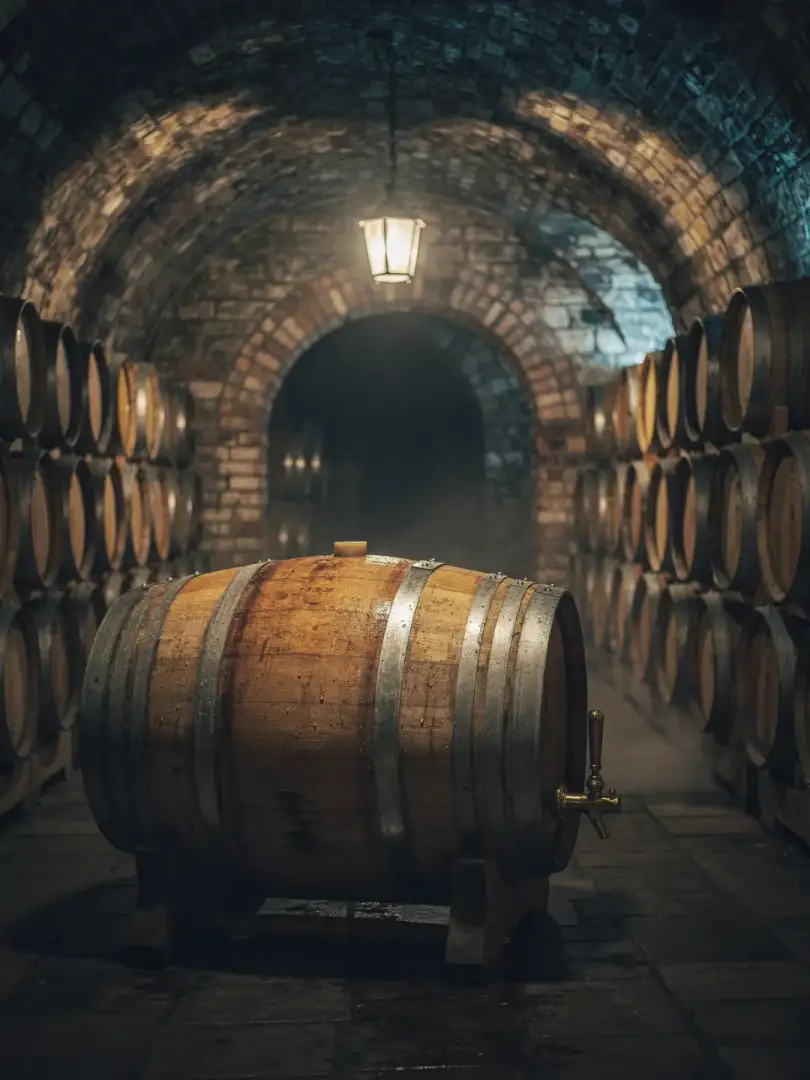
Strong beer poses a tough challenge for yeast. High original gravity means lots of sugar and, eventually, lots of alcohol, both of which stress the cells. That's why a bock ferments slowly and coolly, then lagers for weeks at just a few degrees above freezing. This is the stage where harsh edges mellow and the beer rounds out.
This lagering period is why bock was traditionally drunk in spring. The beer had been brewed over winter and reached maturity by May. This gave rise to the Maibock, a pale bock for the season when the days grow longer.