Pale Pilsner Malt
Malt & Grain
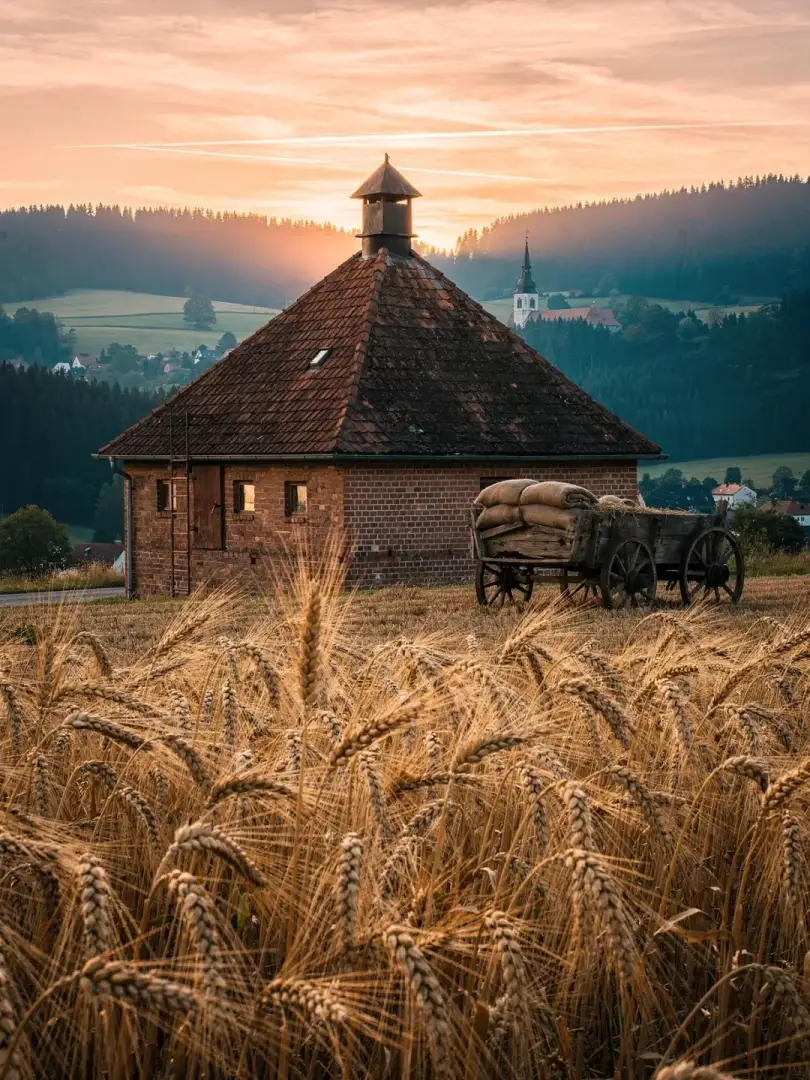
What malt goes into a Pilsner like Wernesgrüner? Barley malt, kilned especially pale. Malt is barley that's allowed to sprout briefly, then dried so its starch can later turn into sugar during the brew.
This drying process is called kilning. For Pilsner, the heat is kept low so the malt stays almost as pale as straw. The hotter the kilning, the darker and sweeter the malt becomes, all the way up to the roasted malts used for Schwarzbier.
Which maltery processes the barley for the three major houses is not disclosed by the breweries. This can't be verified, so nothing invented appears here.
Pale-kilned malt gives Pilsner its backbone: a taste of fresh bread, a touch of honey, and grain. It's meant to carry the hops, not overpower them. A dry finish is part of the deal.
Under the German Reinheitsgebot, barley malt is the primary malt for bottom-fermented beers. Other grains, like wheat or rye, are not an option for Pilsner. Anyone drinking Saxon Pilsner tastes, above all, well-made barley malt.
At Wernesgrüner, Sternquell, and Einsiedler Brauhaus, the picture only changes when a dark beer is on the menu. Then a small portion of roasted malt goes into the mash, and the color shifts from gold to brown. The Pilsner remains unaffected by this—it lives off the pale base malt, which is why brewers consider it the most honest style: any flaw in the malt or the brew shows up immediately in such a pale beer.