The short answer
Beer, at its core, consists of just a few things. Malt is grain that's been allowed to germinate and then dried. It's the foundation and determines the beer's color and body. Hops are a plant and contribute bitterness and aroma. Both work together with yeast.
Malt: from grain to color
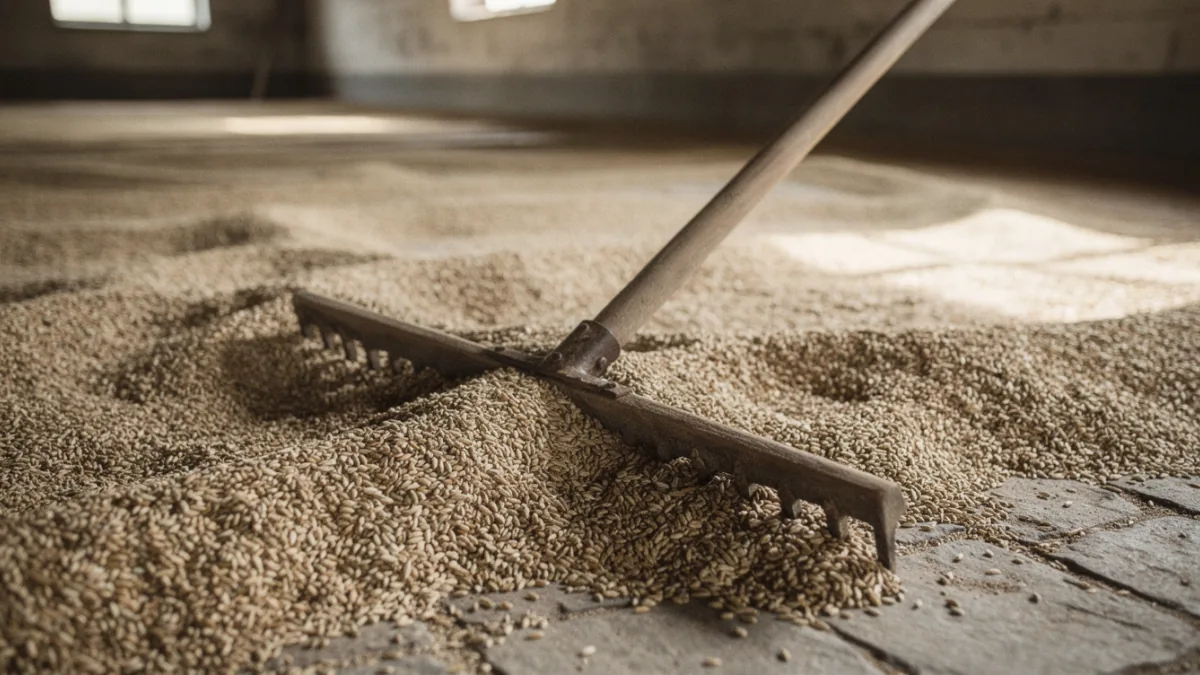
Malting sounds like technical jargon, but it's actually a simple process. Grain is allowed to germinate and then stopped at just the right moment. It's stopped by drying. The temperature during this step determines everything that follows. Gently dried, the malt stays pale and bread-like. At higher heat, caramel notes develop; at even higher heat, roasted notes appear.
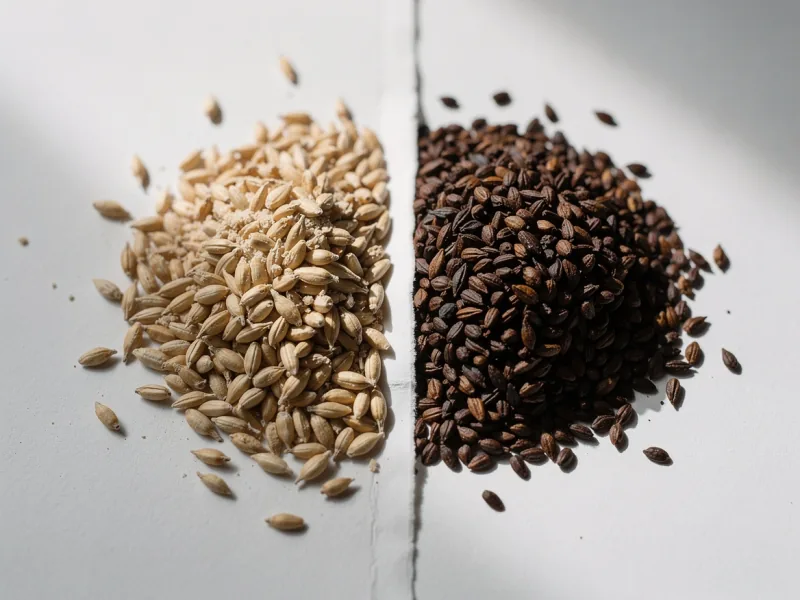
One and the same grain can lead all the way from a pale pils to a black stout this way. The color in the glass comes from the malt. It reveals how intensely the grain was heated. Malt also determines the body. Body refers to how full a beer feels in the mouth. A thin beer runs through like water, while a full-bodied one sits heavier on the tongue.
A misconception persists here. Many people think dark beer is especially strong. But color has nothing to do with alcohol content. A deep black beer can be lighter than a pale one. Dark simply means the malt was roasted more intensely.
Hops: bitterness and aroma are two different things
Hops provide two things that many people confuse. One is bitterness, which you notice after the sip. The other is aroma, which hits your nose beforehand. Both come from the same plant, yet they arise in different ways.
The timing of the hop addition makes the difference. Breweries use dry hopping in particular for aroma. The name already tells you what it's about: the hops are added cold, not into the heat. This has a practical consequence for you. A beer can smell intensely aromatic and still be barely bitter. So inferring bitterness from aroma will lead you astray.
Hops also bring something you don't taste at all. They act as a preservative and help keep the beer stable longer. Historically, that was actually their main purpose. Flavor came along as a welcome side effect.
How to taste out both
Ask yourself two separate questions while tasting. First: What does the aroma remind you of? Second: What impression lingers after the sip? Note both answers individually, even if they don't seem to match.
A bready smell and a bitter aftertaste often occur together. That's not a contradiction. Your nose picks up mainly the malt. Your tongue then reports the bitterness of the hops. Two ingredients, two impressions.
This distinction helps you right away when shopping. Say "less bitter, maybe a bit bready" instead of just "mild." The word mild can mean many things: low alcohol, low bitterness, low carbonation, or simply low intensity all around. With two concrete characteristics, the next recommendation becomes far more accurate.
The fastest way to learn this is with two bottles side by side. Take a pale beer and a dark one, ideally from the same brewery. Smell both first, without drinking. Then taste both and pay attention only to what lingers. After two or three such comparisons, you won't confuse aroma and bitterness anymore.