A Name with a Seal
Region & History
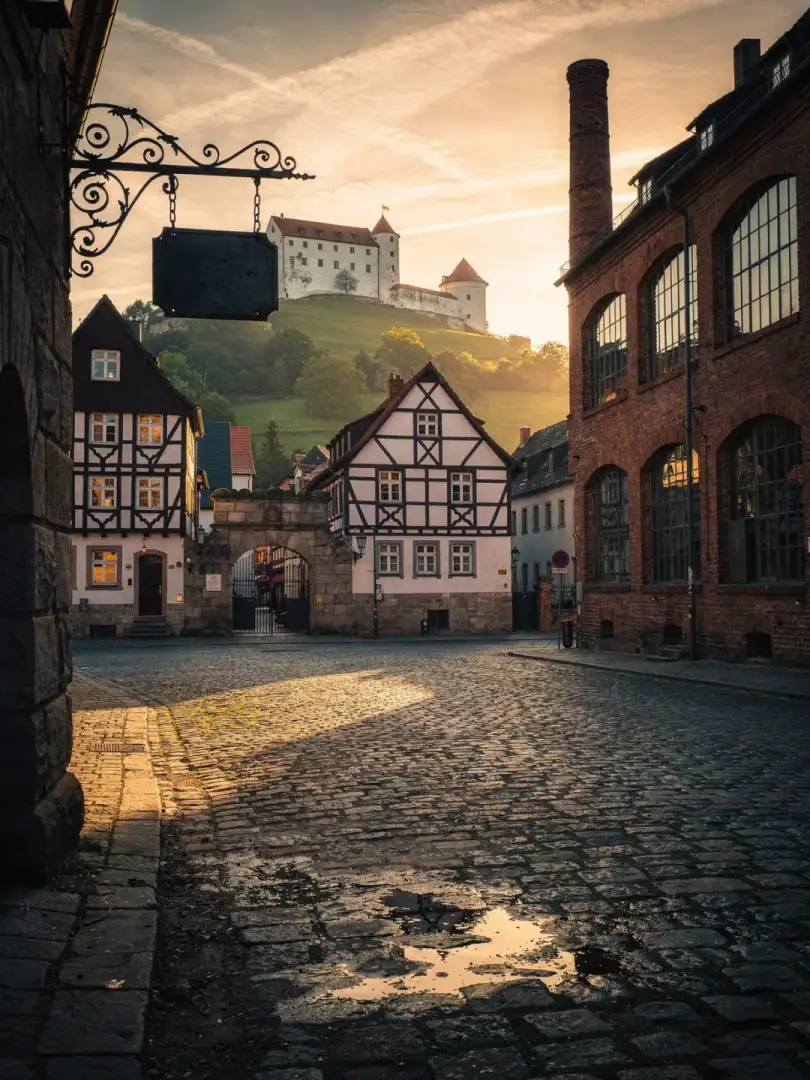
Kulmbach sits in Upper Franconia, with the Plassenburg towering above the town, and beer is part of everyday life here. The name "Kulmbacher Bier" has been listed as a Protected Geographical Indication (PGI) in the EU register since July 18, 1998. Such a seal ties a product to its origin: at least one production step must take place in the named area.
According to the company, Kulmbacher Brauerei AG traces its roots back to 1846, when citizens with brewing rights joined forces. Later it acquired others: Sandlerbräu in 1980, Mönchshof in 1984. Since 1996, the brands EKU, Reichel, Sandler and Mönchshof have operated under one roof. Today, a 63.8 percent majority belongs to the Paulaner Brauerei Gruppe.
Mönchshof takes its name from its monastic past, as it once belonged to the Cistercian monastery of Langheim. Today its grounds house the Bavarian Brewery Museum. Opened in 1994, it covers more than 3,000 square meters and shows what beer means to Bavaria and Franconia.
What is Eisbock, and who invented it? Tradition points to Reichelbräu and the year 1890. An apprentice was supposed to bring a cask of Bockbier in from the cold, failed to do so, and by morning the cask had burst. Wedged between the staves was a block of ice with a small amount of dark, strong liquid inside. The story doesn't appear in contemporary brewing records, so it remains just that — a tradition.
Southeast of Kulmbach lies Bayreuth, the region's second brewing town. There, brothers Eberhardt and Hans Maisel founded the Gebr. Maisel brewery in 1887, on a plot along Kulmbacher Strasse. There is no EU register entry for "Bayreuther Bier"; the PGI seal "Kulmbacher Bier" applies specifically to Kulmbach.