Cold and slow
Yeast & Fermentation
Festbier and Märzen are bottom-fermented. The yeast works at cool temperatures, settles at the bottom of the tank once fermentation is done, and ferments more slowly than wheat beer yeast. This lager yeast is a hybrid of Saccharomyces cerevisiae and S. eubayanus, the latter only identified in Patagonia in 2011.
The pure culture of a bottom-fermenting yeast was first achieved in 1883 by Emil Christian Hansen at the Carlsberg laboratory in Copenhagen. The strain originated in Munich—Carlsberg had received it from Spaten in 1845. So lager yeast existed long before Hansen; no one just knew exactly what was living in the vat.
The name Märzen comes from the month of March. A Bavarian brewing ordinance from 1553 permitted brewing only between Michaelmas on September 29 and St. George's Day on April 23. Beer brewed in March was stronger and could keep in a cool cellar through autumn.
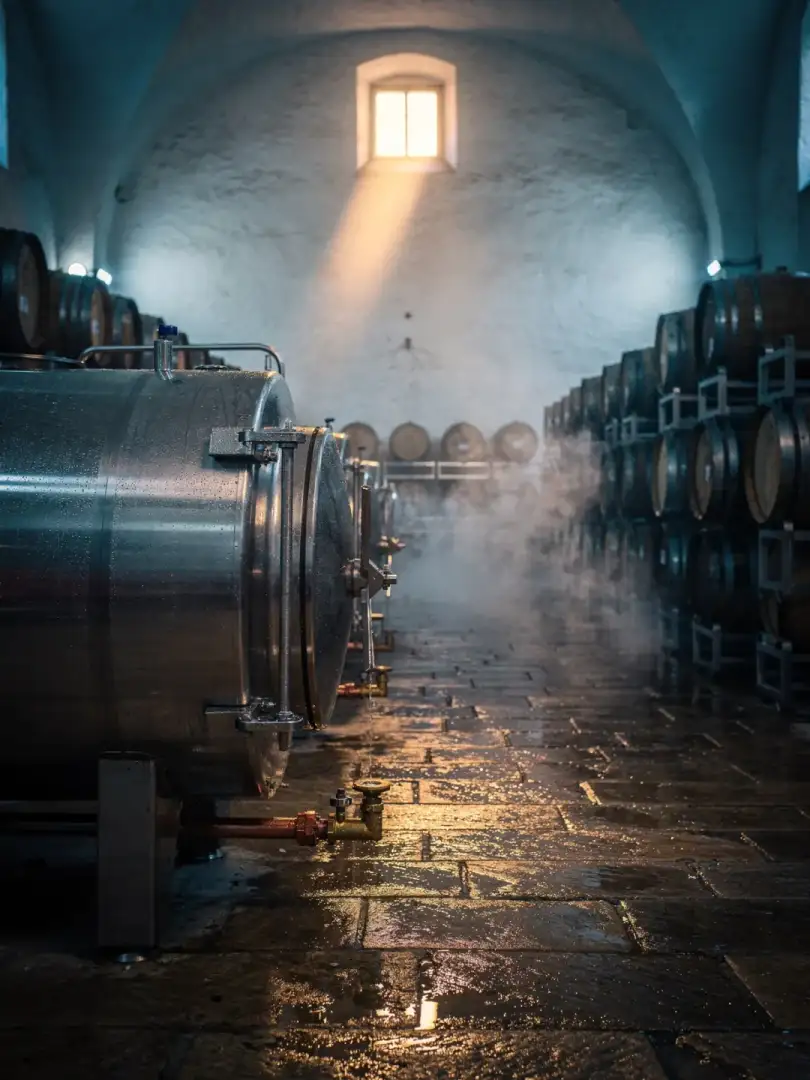
After primary fermentation, the beer matures for several weeks at just a few degrees above freezing in a lagering tank. During this time it clarifies and the flavor rounds out. A Kellerbier like Johann Auer Kellerbier is bottled unfiltered and so stays slightly hazy.
The wheat beers from both breweries, by contrast, ferment top-fermented and at noticeably warmer temperatures. There the yeast produces the banana and clove notes that a Märzen never shows. Auerbräu in Rosenheim keeps both yeast types in its lineup, lager and wheat beer alike. Through all of this, time is the most important ingredient: bottle a Märzen too early and you'll taste a green, unpolished beer with yeasty, buttery notes.