Islands, Tartu, Tallinn
Region & History
Anyone searching Estonia for its oldest beer ends up on the islands. Koduõlu literally means "house beer" and is brewed mainly on Saaremaa, Estonia's largest island. On the mainland, this farmhouse-beer tradition has largely vanished, but on the islands it held on. The reason likely lies in their isolation, combined with fertile farmland that produced plenty of grain.
Brewing happened on the farm, for the family's own table. Knowledge passed from parents to children, with no guild and no recipe book.
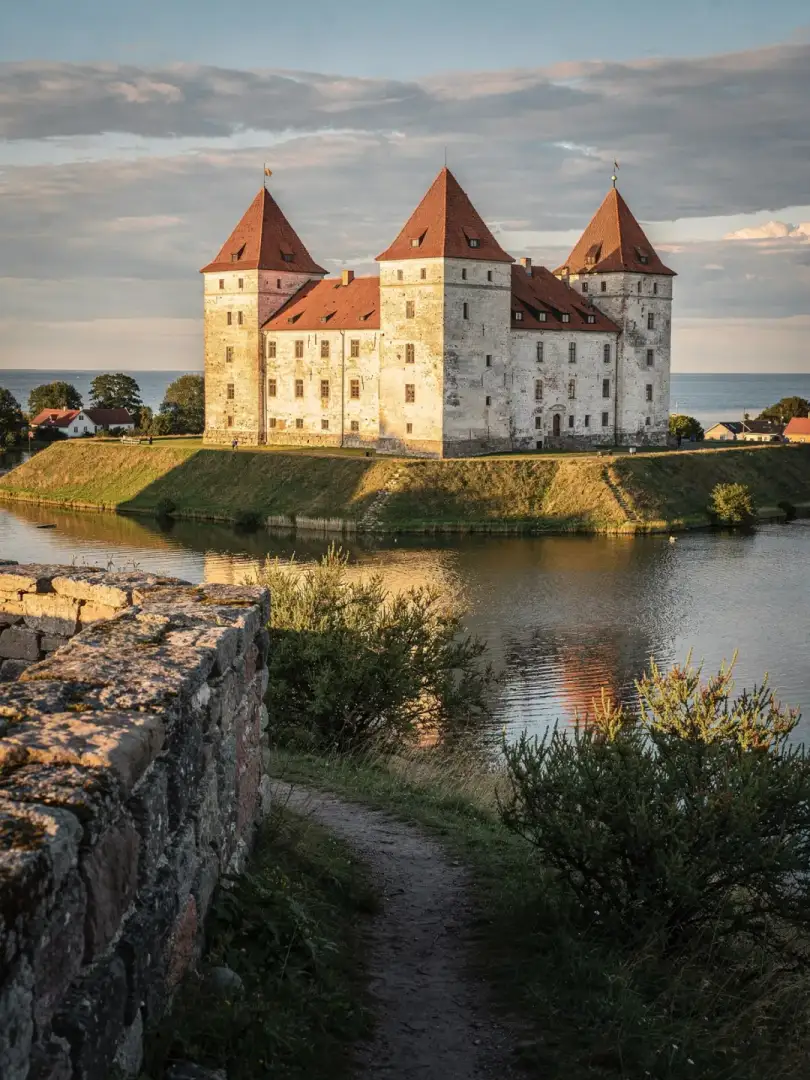
A small brewery in the modern sense didn't appear until after the Soviet era. Pihtla Õlleköök in the village of Pihtla on Saaremaa started operations in December 1990, shortly after Estonia declared independence, and is considered the country's oldest microbrewery. The Pöide brewery reopened in 2013 and later moved to Kuressaare, the island's capital with its bishop's castle.
On the mainland, history took a different path. In Tartu, the brewery A. Le Coq traces its roots back to its founding year of 1807. By 1912 it is said to have become a supplier to the Russian imperial court, with its Imperial Extra Double Stout brewed in Tartu and sold across the empire. Today A. Le Coq belongs to the Finnish Olvi Group and, by its own account, brews the country's most popular beer, A. Le Coq Premium.
The young craft scene began in 2011 with Põhjala in Tallinn. Four founders, including Enn Parel and Peeter Keek, initially had their first beer brewed elsewhere. Their own brewery in the Nõmme district opened in April 2014.
There's no EU origin protection for an Estonian beer. Koduõlu isn't registered either—it's a household tradition, not a protected name.