Prairie Barley
Malt & Grain
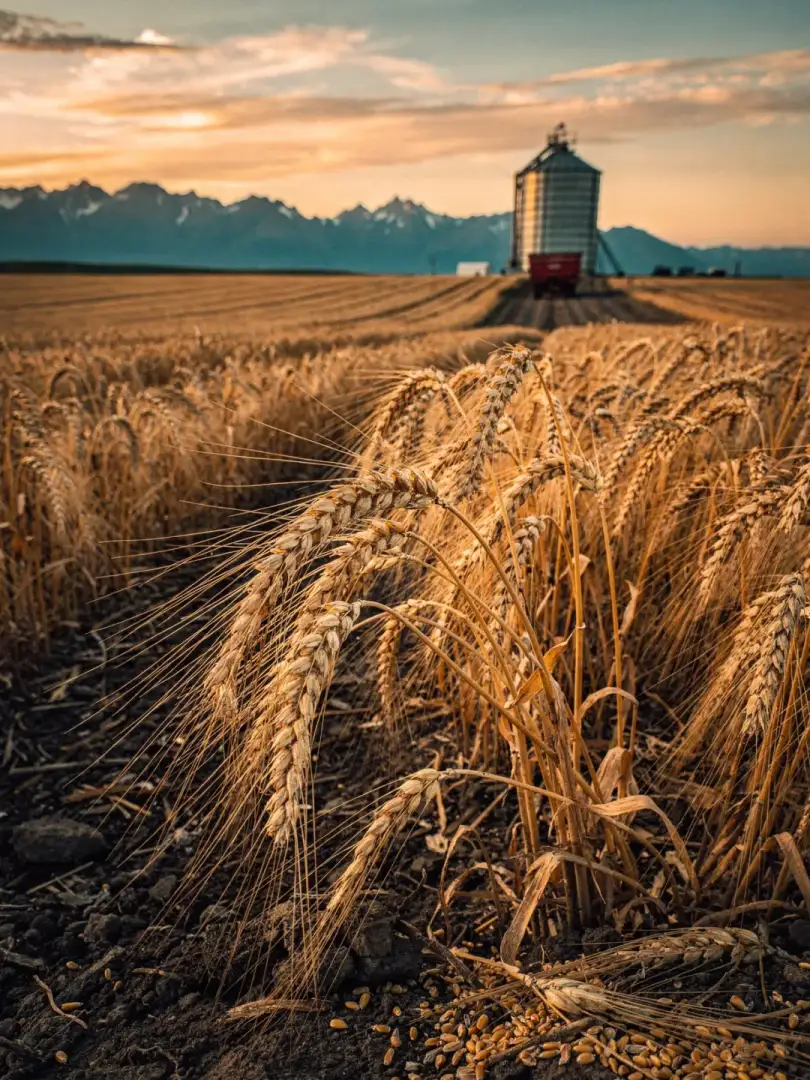
Barley malt is the soul of every beer, even on the west coast. Brewing barley in Canada grows mainly in the prairie provinces of Alberta and Saskatchewan, on the other side of the Rocky Mountains. From there, malt travels to breweries from Vancouver Island to the Okanagan Valley. Some brewers also advertise regional ingredients, with Spinnakers, for example, highlighting local fruit and grain.
Malt is made by soaking barley in water to trigger germination. The maltster halts growth once the grains have formed enzymes, then dries them in a kiln, a heated drying chamber. The higher and longer the heat, the darker and sweeter the malt tastes. Pale malt contributes little color or flavor of its own, letting the hops take the lead.
That's exactly what a West Coast IPA needs. Its base is pale malt, often supplemented with a small portion of caramel malt, which adds a delicate sweetness and a touch of amber. According to the BJCP guidelines, the color ranges from 12 to 28 EBC, from golden yellow to clear copper. The original gravity, meaning the proportion of sugar dissolved from the malt in the wort before fermentation, is 13.8 to 17.1 degrees Plato.
The malt is meant to provide drinkability without becoming cloying. That's why brewers in British Columbia tend to keep recipes lean, favoring a drier body. In the hazy IPA, its cloudy cousin, oats or wheat are added, giving the beer a soft, creamy texture.