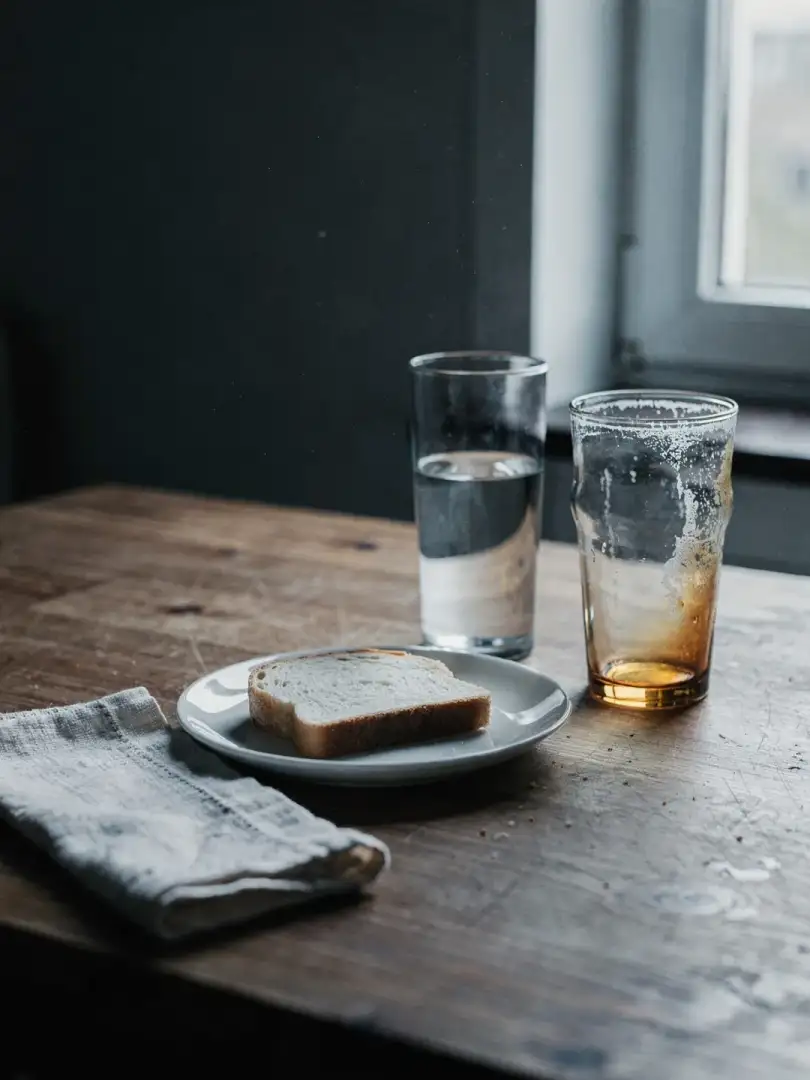
What's left after the alcohol
Where Does a Hangover Come From? Fusel Oils and Headaches
The hangover comes mainly from the quantity of alcohol consumed, not from any single compound in the beer. Congeners like fusel oils can make it worse, and lack of sleep and dehydration contribute as well. A hair-of-the-dog drink just postpones the symptoms—it isn't a cure.
What happens in the body during a hangover?
What doctors call a hangover is really a mix of symptoms: headache, nausea, fatigue, thirst, sensitivity to light, and poor concentration. They set in as blood alcohol levels drop toward zero. Researchers still haven't pinned down a single cause. Several processes appear to interact.
During breakdown, the liver first converts alcohol into acetaldehyde, a toxic compound that can contribute to nausea and heart palpitations. Alcohol also suppresses a hormone that tells the kidneys to conserve water. You need the bathroom more often and lose fluid as a result. Sleep after drinking is shallower and less restorative. Newer studies also point to an inflammatory response in the body. Just how much each factor contributes remains unclear.
Do fusel oils in beer make hangovers worse?
Fusel oils are higher alcohols—relatives of drinking alcohol with longer carbon chains. Yeast produces them during fermentation, especially at warmer temperatures and under heavy stress. They belong to a group known as congeners, which also include methanol, esters, and aldehydes. Top-fermented beers, fermented warm, generally contain more higher alcohols than cold-fermented lagers.
A 2010 Brown University study compared bourbon, which contains many congeners, with vodka, which has very few. At matching blood alcohol levels, participants felt worse after drinking bourbon. Their performance on tests, however, was equally impaired in both cases. No such clean comparisons exist for beer. So the claim that any particular beer style inherently causes a worse hangover isn't backed by evidence.
Does a hair-of-the-dog drink help with a hangover?
The morning-after beer is considered an old folk remedy in some circles. It appears to work because fresh alcohol briefly masks the body's withdrawal symptoms. The breakdown process then simply starts over, and the symptoms return later. A common explanation is that alcohol slows the breakdown of methanol. That's a hypothesis, not proof of any real effect.
Doctors explicitly warn against this habit. Needing alcohol regularly to feel better is a pattern that can signal problematic drinking. The many pills, powders, and juices marketed as hangover cures also lack reliable evidence of effectiveness. What reliably prevents a hangover is drinking less, or choosing a non-alcoholic drink instead.
Does dark beer cause worse hangovers than light beer?
With spirits and wine, there's a rule of thumb that darker drinks contain more congeners than lighter ones. Red wine has more than white wine, whisky more than vodka. Many people apply this logic to beer too, assuming a dark beer or stout is more likely to cause a hangover than a pils. There's no evidence for that. A beer's color comes from darkly roasted malt, not from long barrel aging the way it does with whisky.
Alcohol content matters far more. Under BJCP guidelines, an Irish stout sits at 3.8 to 5 percent—roughly the same range as a pils. A pale bock, on the other hand, runs 6.3 to 7.4 percent, and a Belgian tripel 7.5 to 9.5 percent, even though both look pale in the glass. Someone drinking two glasses of tripel takes in considerably more alcohol than with two glasses of stout. When it comes to next-morning consequences, strength tells you far more than color does.
What remains unclear about hangovers
Why some people suffer after just a few glasses while others barely notice is only partly understood. Genetic differences in alcohol metabolism, body weight, food intake, sleep, and medications all play a role. Data on drinking habits also often rely on self-reports, which tend to be imprecise.
Beer has a lower alcohol content per sip than spirits. But that offers no protection if more of it is consumed. Anyone concerned about their own drinking can find free, confidential help from a family doctor or addiction counseling service. As for enjoyment: a good beer tastes just as good when you stop at one glass.