Cold and Slow
Yeast & Fermentation
During fermentation, yeast converts the sugar in the wort into alcohol and carbon dioxide. Wort is the sugary liquid left over after lautering and boiling in the brewhouse. In Pilsen, bottom-fermenting yeast does the work, settling at the bottom of the vessel at the end and preferring cool temperatures, usually only a few degrees above freezing up to about ten degrees Celsius.
Cool means slow. In Plzeň, primary fermentation takes considerably longer than for a top-fermented beer, and afterward the young beer matures for weeks more in the lagering tank. According to the brewery, it takes 35 days from brewing to the finished Pilsner Urquell. The term lager comes precisely from this, from lagern, meaning to store in a cold cellar.
What happens during this time? The yeast breaks down byproducts that make fresh beer taste of butter or green apple. The carbon dioxide binds into the beer, and the bitterness loses its rough edges. Anyone drinking a fresh Pilsner beer won't taste any harshness, even though the hops come through clearly.
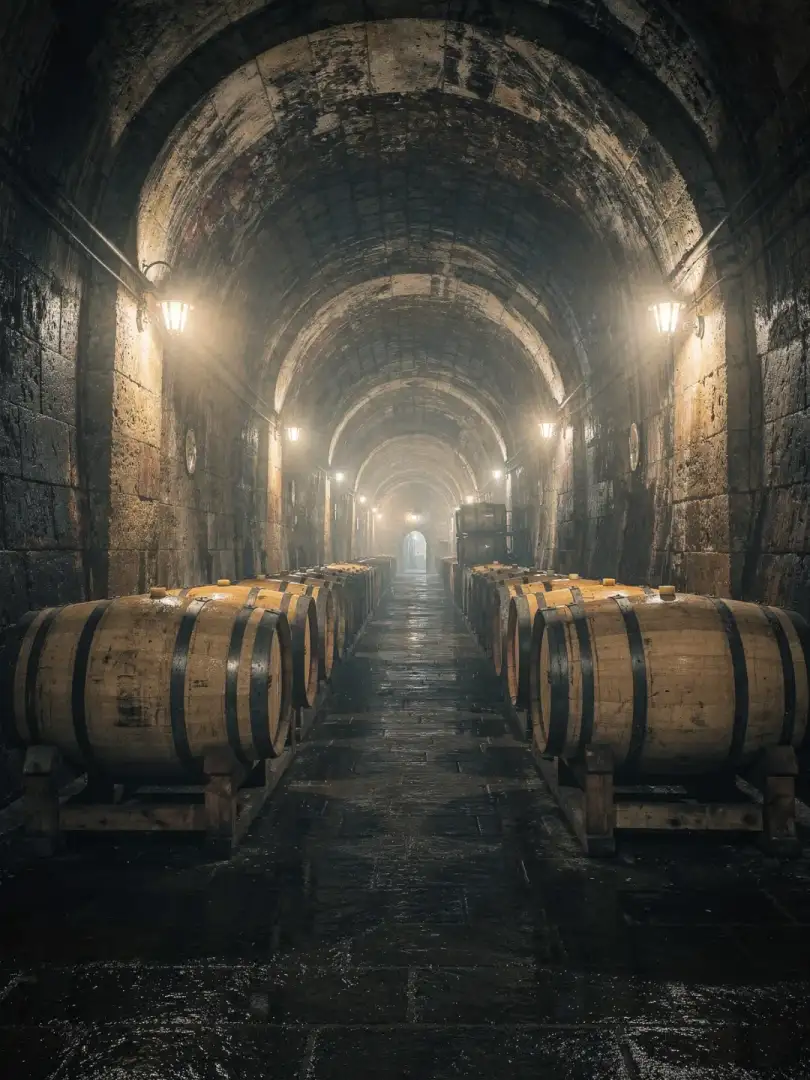
In the past, the beer fermented and matured in wooden vats and barrels kept in the cellar tunnels. The wood was pitched on the inside so it wouldn't color the beer. Today, in most breweries, stainless steel tanks take over this job, since they're easier to clean and cool.
At the end comes the decision of whether the yeast stays in the glass. Most Pils beers are filtered and therefore clear. Unfiltered straight from the lager tank, the same beer looks slightly hazy and tastes a touch softer.