Hanná Barley
Malt & Grain
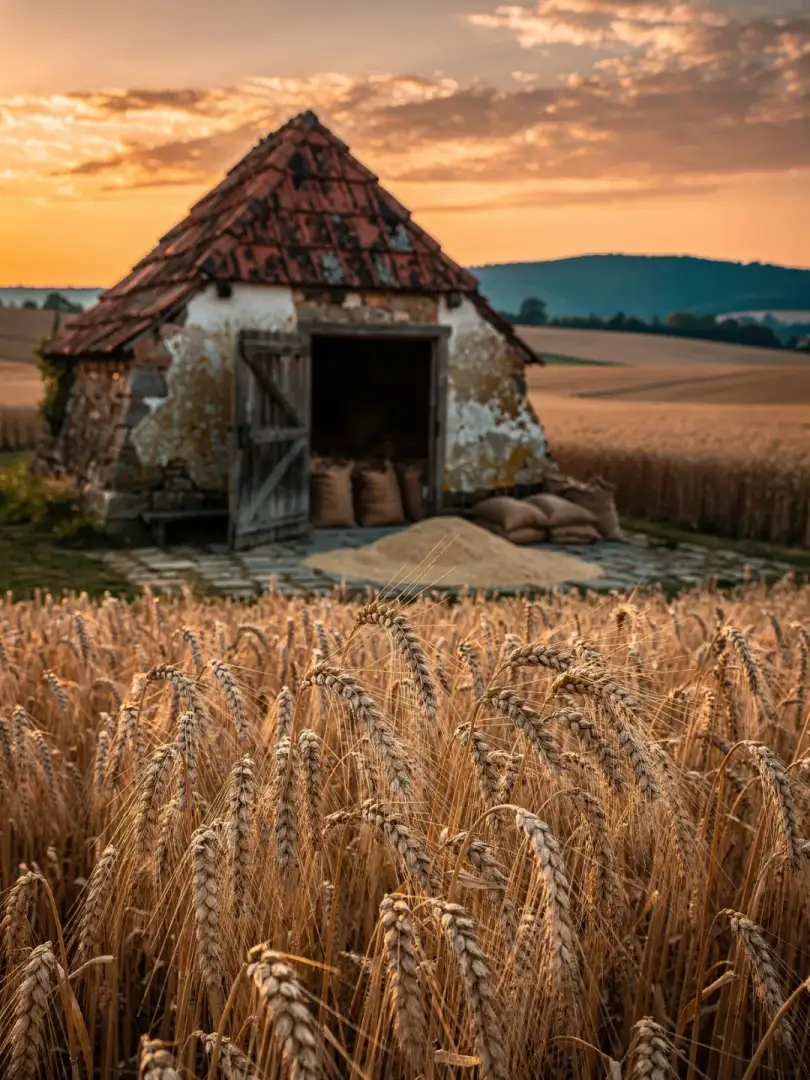
Barley is the foundation of every Czech lager, yet only a few regions give it a name of its own. Hanná, a Moravian landrace from the fertile plain around Olomouc, is considered the ancestral mother of many brewing barleys. It stands for the Moravian malt that brewers such as Starobrno say they use.
What exactly is malt? Barley grains are moistened until they germinate, then dried on a kiln. In the process, enzymes convert starch into sugar, and it is precisely this sugar that yeast later turns into alcohol. Pale malt lends notes of bread crust and honey, while dark roasted malt brings cocoa and caramel.
From this distinction come the two sides of the Czech tap. The pale lager relies on pale Pilsner malt, the dark one on roasted malt that gives the beer a color ranging from copper to black. That's why Znojemské pivo is brewed both as a pale and as a dark beer.
Wheat, rye, or corn play no role in this region's traditional beers. It's different among the young brewers. They experiment with oats, smoked malt, and blends of specialty malts, yet even their recipes rest on barley malt.
For those who like numbers, the ranges are worth remembering. A Czech pale lager usually has an original gravity between eleven and twelve degrees Plato and sits at four to five percent alcohol; dark beers run similarly. The color reveals nothing about strength—the dark beer is simply brewed with different malt. This also explains why patrons in Brno often switch back and forth between pale and dark.