The short answer
Pils tends to be more hop-forward and bitter. Helles holds back on bitterness and relies more on malt character. Both names only indicate a general direction. How pronounced the difference is depends on the individual brewery.
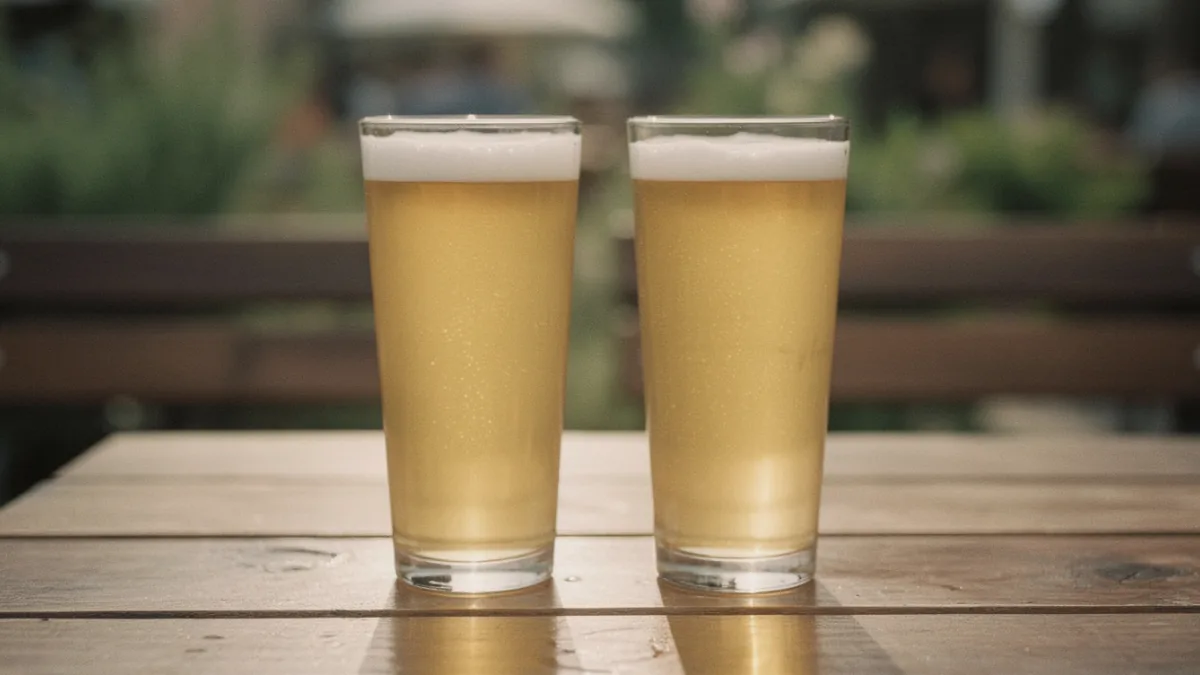
Similar Color, Different Emphasis
In the glass, Helles and Pils look almost identical. Both are bottom-fermented lagers, sharing the same foundation. The difference lies solely in the balance between malt and hops.
Bottom-fermented means the yeast works cool and slowly, letting the malt come through more strongly. This is true for both Pils and Helles alike. So fermentation isn't the reason the two taste different.
Helles developed as a response to the spread of pale lagers. It typically shows less hop bitterness than a typical Pils. Both names serve as guidance rather than a promise that every example will taste exactly the same.
Regional differences shift the boundaries further. A northern German Pils is usually more bitter than a southern German one. And a Helles can vary considerably from brewery to brewery.
These names aren't protected recipes. What ends up in the bottle is up to the brewery. The label only points you in the direction you should look.
What to Look For When Comparing
When tasting both side by side, separate aroma from aftertaste. Which one seems breadier? Which one leaves a longer-lasting bitter impression? Use small samples served at similar temperatures.
If you've only ever said "beer is too bitter for me," this comparison might point you in a new direction. If you enjoy the hoppier side, you're more likely to find what you're after in a Pils.
Helles isn't automatically bland just because it's less bitter, and Pils isn't automatically more sophisticated. It's about the balance of impressions, and which ones you personally prefer.
Don't let a brand's reputation guide you either. Two bottles poured side by side in a glass will tell you more than any recommendation at the bar.
One more thing: a beer that seems too hoppy today might appeal to you in a year. Taste changes; the categories stay the same.
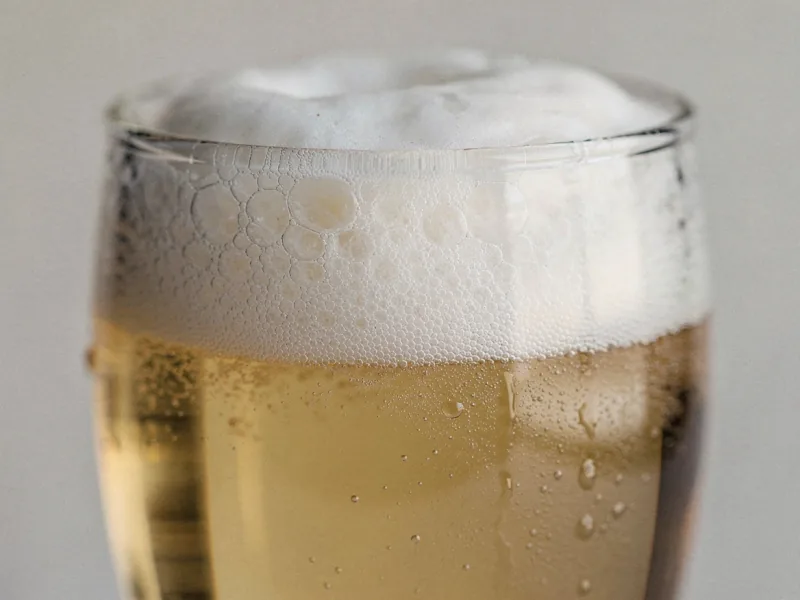
Tasting Pils and Helles Side by Side
In a direct comparison, three things stand out in particular. They'll help you figure out whether you're drawn more to the hoppy or the malty side. The answers are entirely your own—there's no right result here.
| Observation | Your Comparison Question |
|---|---|
| Bitterness | Which of the two beers seems more bitter to me? |
| Malt Character | Where do I notice more bready or malty impressions? |
| Overall Impression | Which specific beer suits the occasion better? |
Drinking Pils and Helles Side by Side
Two glasses, same shape, same temperature, both freshly opened. That's all you need.
Sip both alternately in small amounts. First, pay attention only to the aftertaste: how long does the bitterness linger? This is where the two differ most noticeably.
Also pay attention to mouthfeel. Does one feel fuller, the other leaner? These impressions are harder to put into words than bitterness, but they strongly influence which glass you'll want to finish first.
Deliberately choose two beers from the same region, or even the same brewery. That way you're really comparing styles, not two different brewing philosophies.
Finally, write one sentence about each beer. It doesn't need to sound elegant—it just needs to mean something to you. Next time you're shopping, you'll know exactly what to ask for.