Quarry and Lager
Region & History
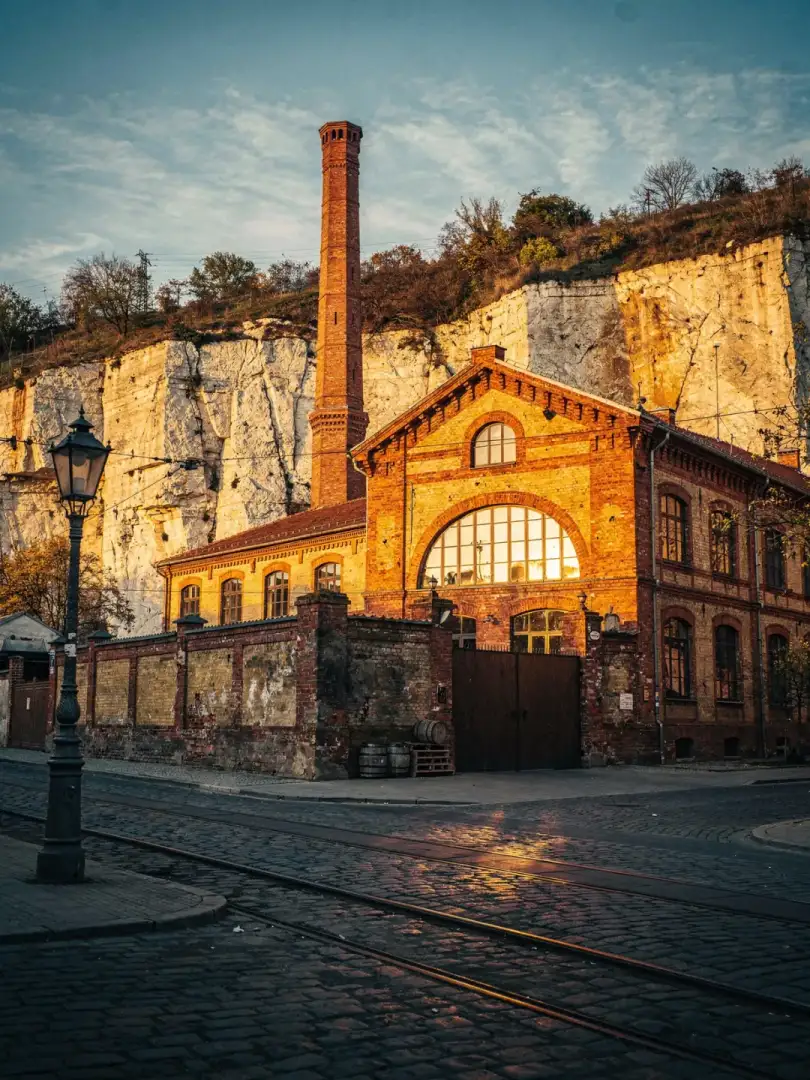
Hungarian lager beer originates from Kőbánya, Budapest's tenth district, whose name means "quarry" in German. Limestone was quarried there until 1890, providing the material for buildings including the Parliament and the State Opera House. What remained were tunnels that spread far beneath the district.
From 1844, a brewery began storing beer in these tunnels. Master brewer Peter Schmidt, a Pest native who had trained in Munich, found great success with the beer from his rock cellar. In 1854, he founded the Kőbányai Serfőző Társaság, the Kőbánya Brewing Company.
In 1862, Anton Dreher bought the brewery. The brewer from Schwechat near Vienna is considered the creator of Vienna lager, and his name became a brand in Budapest. His son, Anton Dreher the Younger, took over management in 1870 and turned Kőbánya into Hungary's largest brewery, producing around 1.2 million hectoliters a year by 1890.
After acquisitions by Jenő Dreher, the Dreher breweries controlled around 70 percent of the Hungarian beer market by the 1920s. The company survived socialism and became part of South African Breweries in 1993, then SABMiller in 2002. When AB InBev took over SABMiller in 2016, regulators required Dreher to be sold off, and by the end of 2016 the brewery passed to the Japanese group Asahi.
There's no EU protected designation of origin for Hungarian beer; the register only lists beers from other countries. Today, the market is shared by a handful of big names: Dreher belongs to Asahi, Soproni to Heineken, Borsodi to Molson Coors. Alongside them, small craft breweries have emerged, with a 2017 trade report counting around seventy nationwide.