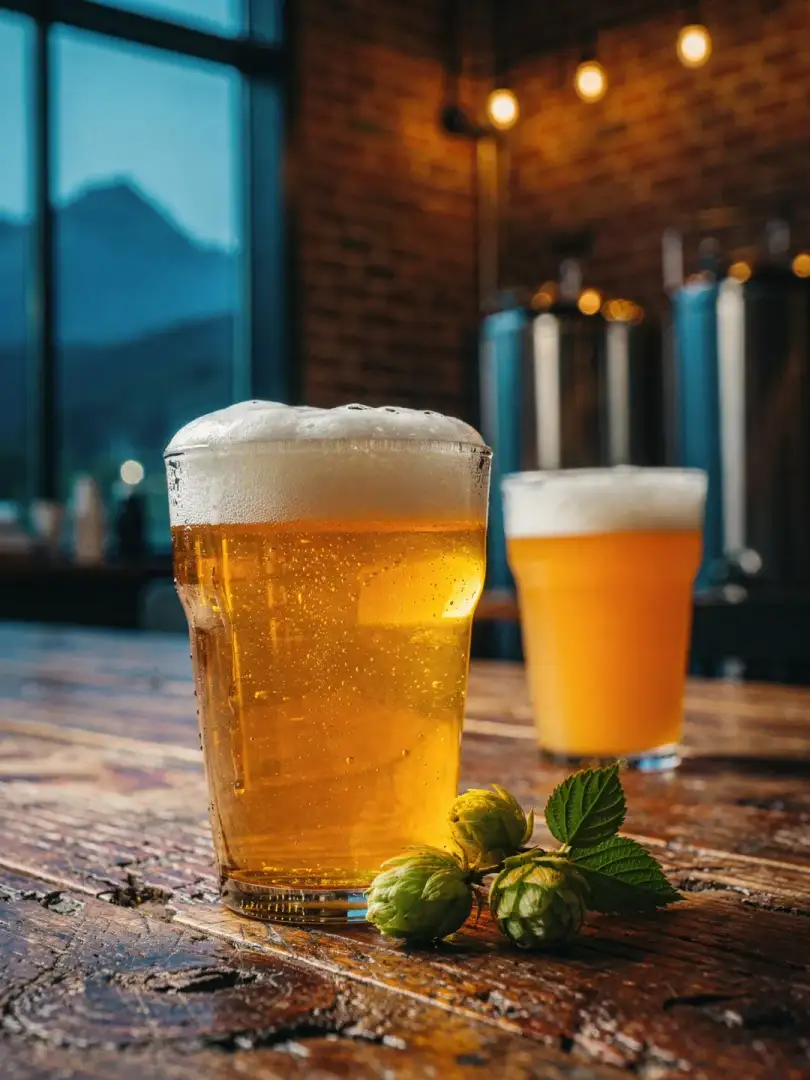
Pale Ale, IPA
Beer Styles
What's the difference between American pale ale and IPA? Both are top-fermented and hop-forward, but the IPA is stronger and more bitter. By style guidelines, pale ale runs 4.5 to 6.2 percent alcohol, while IPA runs 5.5 to 7.5 percent. The IPA is meant to showcase the hops most clearly.
American pale ale is an American offshoot of English pale ale. It's amber to golden in color and smells of citrus and pine, with a hint of caramel underneath. In Asheville, it's the gateway style: Sierra Nevada, Highland, and most taprooms all keep a pale ale on the menu.
American IPA, also called West Coast IPA, amps up the recipe: more malt, more hops, more bitterness. The style is typically pale to golden, with a clean body and dry finish, and it has shaped the reputation of American craft beer worldwide. The hazy version, Hazy IPA, originated in New England and has less bitterness but more fruit.
The English original, English IPA, uses hops like East Kent Goldings and tastes earthy and herbal. American hop varieties, by contrast, bring citrus, pine, and tropical fruit—exactly what makes American beer styles so easy to recognize.
Then there are the classics from the scene's early days. Highland's Gaelic Ale is a Scottish-style ale, malty and soft. And from the Funkatorium's barrels come sour beers that have nothing in common with pale ale.
American Pale Aletop-fermented
- Original gravity
- 11.2–14.7 °P
- Alcohol
- 4.5–6.2 % vol
- Bitterness
- 30–50 IBU
- Colour
- 10–20 EBC
Golden to amber, citrus and pine, medium bitterness, dry finish.