Warm, Cold, Barrel
Yeast & Fermentation
Most of Michigan's craft beers are top-fermented. The yeast works at room temperature, usually around 18 to 20 degrees Celsius, and takes one to two weeks. It contributes little of its own flavor, letting malt and hops come through clearly. Such yeasts are called clean. Many breweries harvest the yeast after fermentation and reuse it in the next batch, which saves on materials and keeps the flavor consistent. They pay close attention to hygiene, since contaminating microbes would alter the beer immediately.
After primary fermentation, the beer is cold-conditioned so it clears and the flavor rounds out. For an IPA, freshness matters especially, since hop aroma fades over the course of weeks.
Yeast can be pushed to its limits with strong beers. With Imperial Stouts above ten percent alcohol, it often works over several weeks, and some brewers add fresh yeast after the initial fermentation. Too much alcohol and too few nutrients can tire the yeast out, causing fermentation to stall.
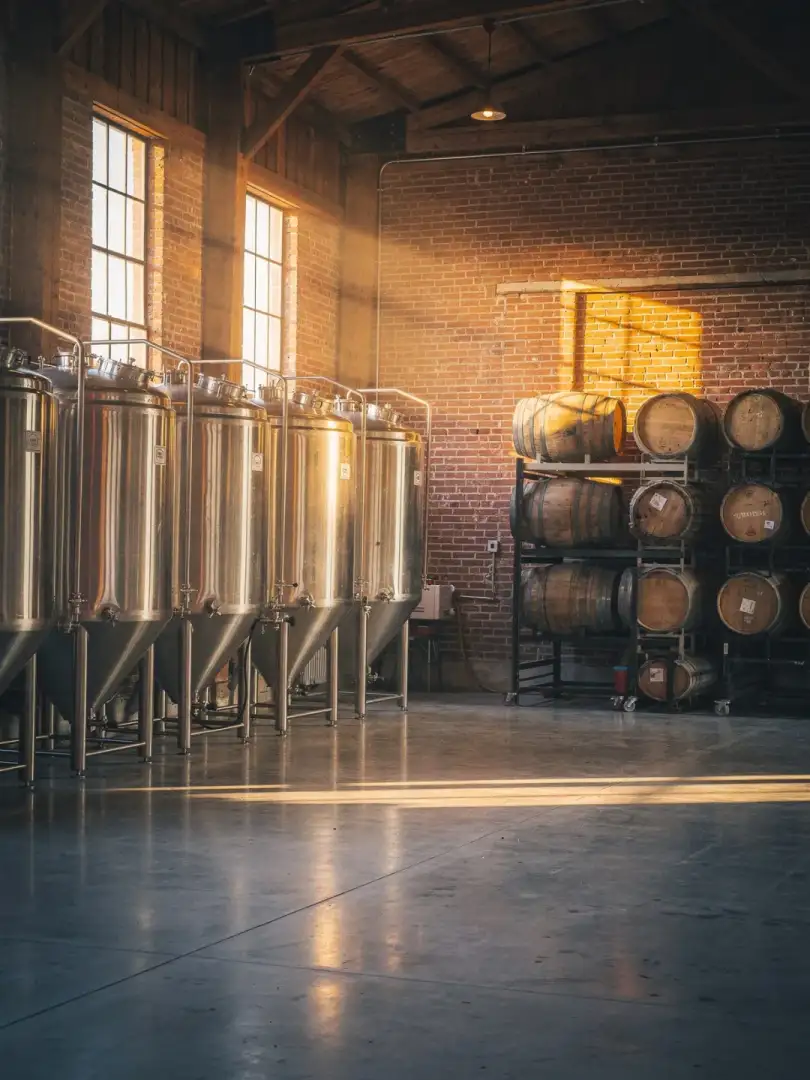
Barrel aging is a specialty. Founders ages beers like KBS in bourbon barrels that previously held whiskey. The wood imparts vanilla and coconut notes, and a residue of whiskey adds warmth.
Detroit's lager worked differently. Bottom-fermenting yeast demands low temperatures and weeks of rest. Stroh later advertised its "fire-brewed" process, in which the wort kettle is heated directly over flame. In Grand Rapids, the brewery Vivant, set up in a former chapel, focuses on Belgian farmhouse beers with its own yeast strains.