Ice-Cold, Mild, Lean
Tasting
A Milwaukee lager doesn't taste like much, and that's by design. The nose offers grain and a touch of sweetness, with hops staying in the background. On the palate the beer is lean, the carbonation prickles, and the finish is short and dry. Expect a bold beer and you'll be disappointed; look for something refreshing and you'll find it.
Examples here span brands and breweries with very different histories. Miller High Life has existed since 1903, made by Miller in Milwaukee. Pabst Blue Ribbon is a brand that's been produced under contract by Miller, or MillerCoors, since 1999. Sprecher (since 1985) and Lakefront (since 1987) represent the city's smaller craft side.
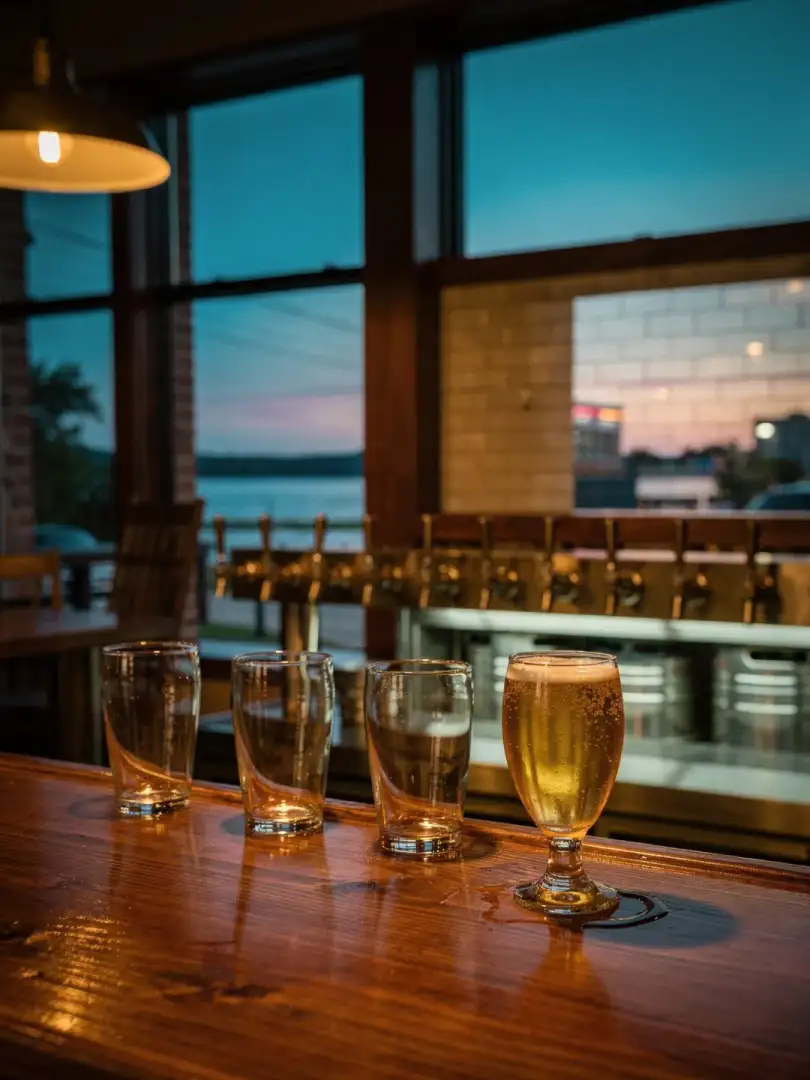
It's usually served in the American pint glass, which holds 473 milliliters, or 16 US fluid ounces. It has the shape of a straight tumbler, with a loose head of foam. For closer inspection, a tulip glass or pilsner glass works better, as both capture aroma and foam more effectively.
In Wisconsin, beer is served cold without apology, typically at 2 to 4 degrees Celsius. At this temperature the sweetness recedes and the beer feels even leaner. Taken a bit warmer, more grain and more hop character come through.
When pouring, tilt the glass and let the beer run down the side. Toward the end, bring the glass upright and let about two fingers of foam form. This protects the carbonation and shows whether the beer is fresh.