Wine Instead of Mash
Mash & Fermentation
Pisco is not distilled from mash but from finished wine. The decree states it plainly: an aguardiente from the distillation of genuine, drinkable wine made from the approved grapes of the pisco zone. Anyone asking about the difference between pisco and grappa will find the answer here: grappa is made from pomace, pisco from wine.
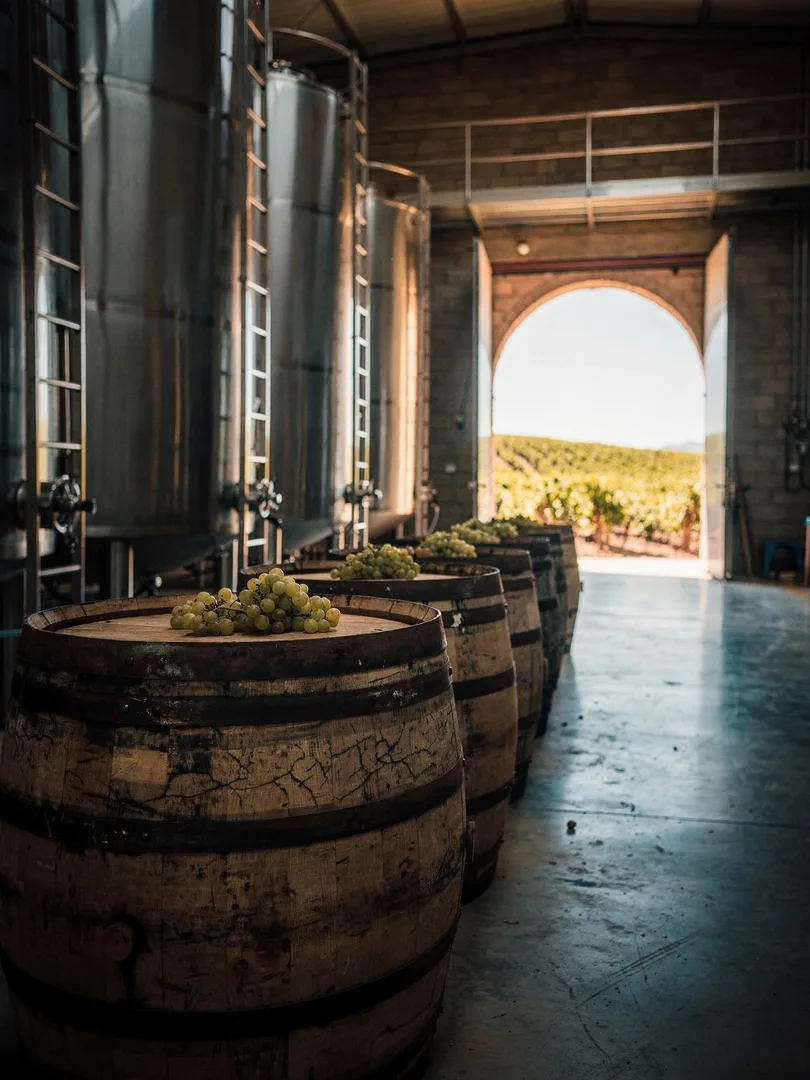
The process begins with pressing the grapes. The must ferments until the yeasts have converted the sugar into alcohol, leaving behind a wine. The Muscat grapes contribute plenty of aroma, which should later reappear in the distillate.
The fresh wine doesn't wait long. The decree stipulates that distillation of each harvest's wines must begin as soon as they are ready, and may not extend beyond January 31st of the following year. Wine from other regions doesn't count.
How long fermentation takes and which yeasts the houses use is left to the producers; the decree doesn't regulate it. At the Capel cooperative, growers have joined forces so that their grapes are processed together.
The decree even defines specific professions for this: the Viticultor Pisquero, who grows the grapes, the Vinificador Pisquero, who turns them into wine, and the Destilador Pisquero, who distills the spirit from it. All three must be listed in the SAG register and work within the pisco zone.
The goal is a base wine that doesn't need to shine as a drink in its own right, but rather serve as a raw material: its aromas determine what ends up in the glass later. In a spirit made from Muscat grapes, the floral scent comes from the grapes themselves, not from the cask. Comparing pisco to Cognac reveals parallels: both spirits start from a wine, the difference lies in the grape variety. Cognac relies almost entirely on Ugni Blanc, while pisco uses aromatic varieties like the Muscat grapes.