Prince-Provost and Root
Region & History
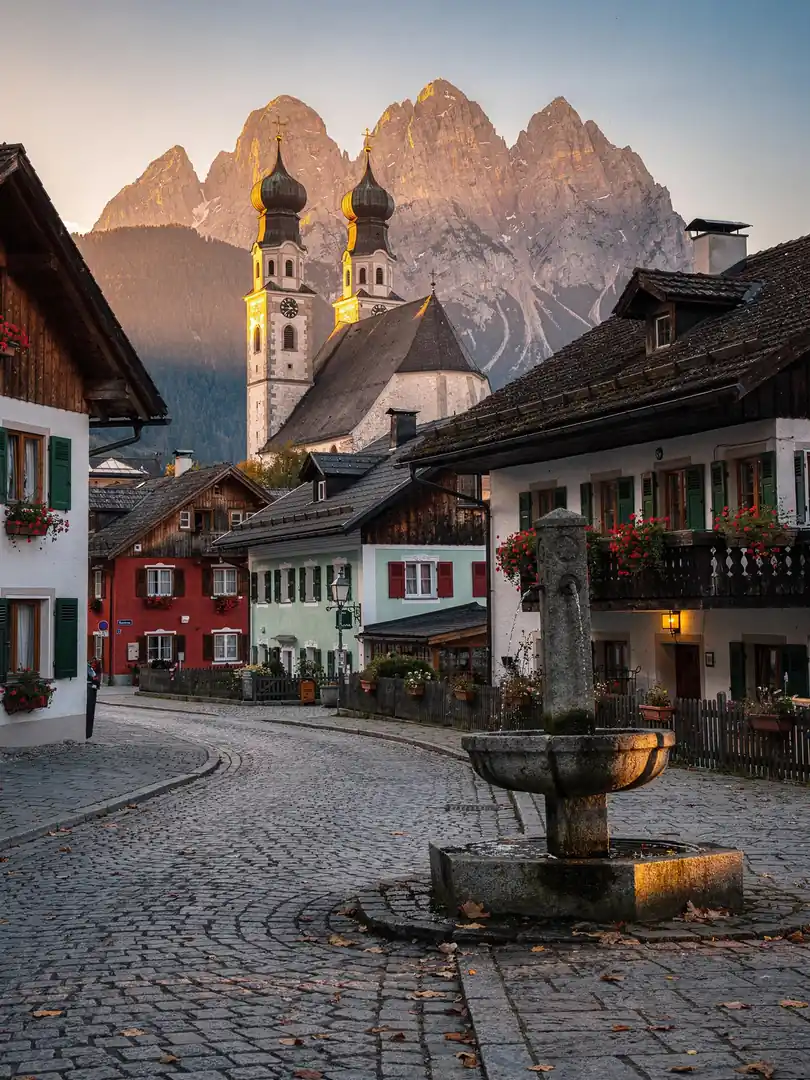
Enzian brandy tastes of earth, bitterness, and a hint of sweetness, and hardly any house knows it as long as the Grassl gentian distillery in Berchtesgaden. According to the house, its history goes back to 1692, making it, by its own account, the oldest gentian distillery in Germany. Above the town looms the Watzmann, and its slopes still supply the raw material today.
According to tradition, an innkeeping family named Grassl was granted the right at that time by the Prince-Provost, the spiritual and secular ruler of the Berchtesgaden territory, to dig gentian roots and distill brandy from them. Gentian was long regarded as a medicinal plant for the stomach. Turning it into alcohol was therefore an obvious step, and whoever held the root rights possessed a small treasure in the mountains.
Legally, Enzian is a category of its own. The EU Spirit Drinks Regulation describes it as a distillate of fermented gentian roots with a minimum strength of 37.5% ABV; ethyl alcohol may be added, but flavoring may not. It belongs neither to the fruit brandies nor to the spirits category. The name Bayerischer Gebirgsenzian has been protected as a geographical indication since 1989; within the EU, the only others are Südtiroler Enzian and Genziana trentina.
Distilling requires a permit. In Germany, small-scale distilleries operating under the Abfindung system are also allowed to process roots, up to 300 liters of pure alcohol per year. Distilling without a permit remains prohibited, even for personal use. Since 2018, the permit has been tied to the individual rather than the farm.
Besides Gebirgsenzian, Grassl reportedly offers around 30 other spirits. Further north, in Hausham on Schliersee, the Lantenhammer distillery works with fruit brandies, raspberry spirit, and gentian in its range.