The short answer
Amaro is the Italian word for bitter liqueur. Behind it stands an entire family of very different bottles. Herbs, roots, sweetness, and alcohol strength vary widely. That means one amaro doesn't simply substitute for another.
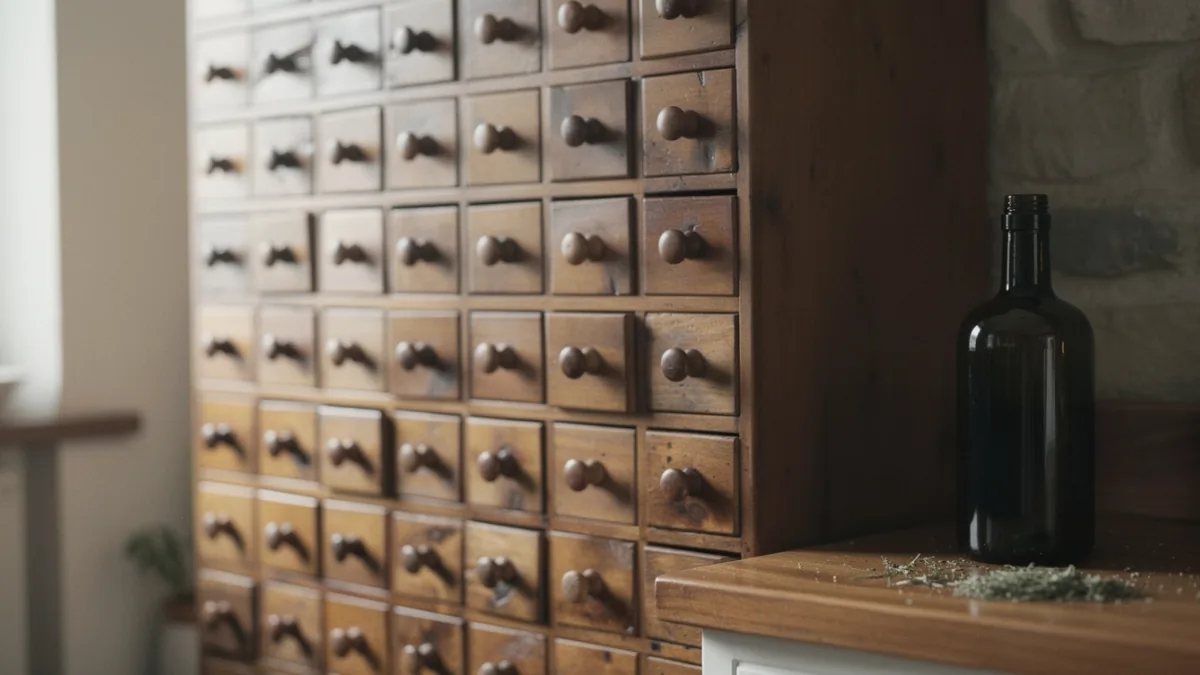
Bitterness has many faces
An amaro can taste citrusy, herbal, minty, spicy, or of dark roasted notes. Sweetness and bitterness are almost always present side by side. The word Amaro on the label doesn't yet tell you how intense the contents are. Nor does the color reveal the recipe or sugar content.
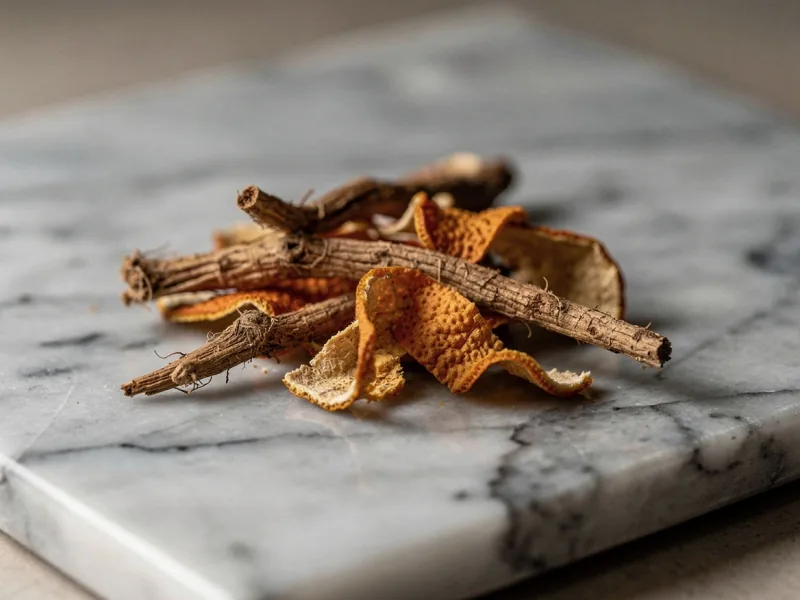
The range is wider than in almost any other category. An amaro can be light and citrusy like an aperitif. It can just as easily be thick and dark like a digestif. Aperitif means: before the meal. Digestif means: afterward. The recipes are usually family secrets and contain dozens of herbs, roots, and barks.
The shelf can be roughly sorted by origin. From the north often come alpine styles, herbal and minty. From the south, more citrusy or dark-caramel styles. As a guide, that tells you more than the price does.
Bitterness is, for many people, initially a warning sign. Coffee without sugar and dark chocolate head in the same direction. If you get along well with those, you'll quickly find something suitable on the amaro shelf.
Amaro, Aperitivo, and cocktail bitters
An amaro is ready to drink. Cocktail bitters are something else entirely: highly concentrated seasoning, dosed by the dash. Confusing the two ruins the drink. 30 ml of amaro cannot be replaced by 30 ml of aromatic bitters.
The word Aperitivo on a bottle usually signals a lighter bitter drunk before a meal. It describes the occasion more than a fixed recipe. Two bottles bearing this word can taste very different.
In between sit the red aperitif bitters. Flavor-wise, they overlap with some amari. In a recipe, though, they often play their own distinct role. So read carefully what's called for, and don't swap based on color alone.
Neat, with soda, or in a cocktail
The easiest way to get to know an amaro is neat over ice. A little soda dilutes it and makes for an easier introduction. A small sample is enough for a first impression.
At home you don't need any special equipment for this. A short glass, a few ice cubes, and a bottle of soda are enough. Measure your first amount anyway, so you know what you're working from next time.
In cocktails, the dosage varies considerably. In the Paper Plane, a particular amaro is part of the balance alongside bourbon, Aperitivo, and lemon. In the Hanky Panky, just a little Fernet is enough to noticeably transform gin and vermouth. How much is needed depends on the specific product.
So work your way in gradually. Use less than you think is right on the first try. You can always add more — you can't take it back out.
Finding a style that suits you
Ask in the shop about the dominant profile. Mention what you don't like. If you're not keen on menthol, a blanket recommendation of a bold Fernet won't help you much. If possible, taste before buying, for example at a bar.
Bitterness is a matter of getting used to it, more so than almost any other flavor. If the first try puts you off, start with a lighter style and plenty of soda. After a few weeks, the same amaro will taste different. That's down to you, not the bottle.
An old herbal tradition doesn't prove any effect on the body. Choose an amaro based on taste, not because of a claimed digestive benefit.