Three Types of Grappa
Spirit Style
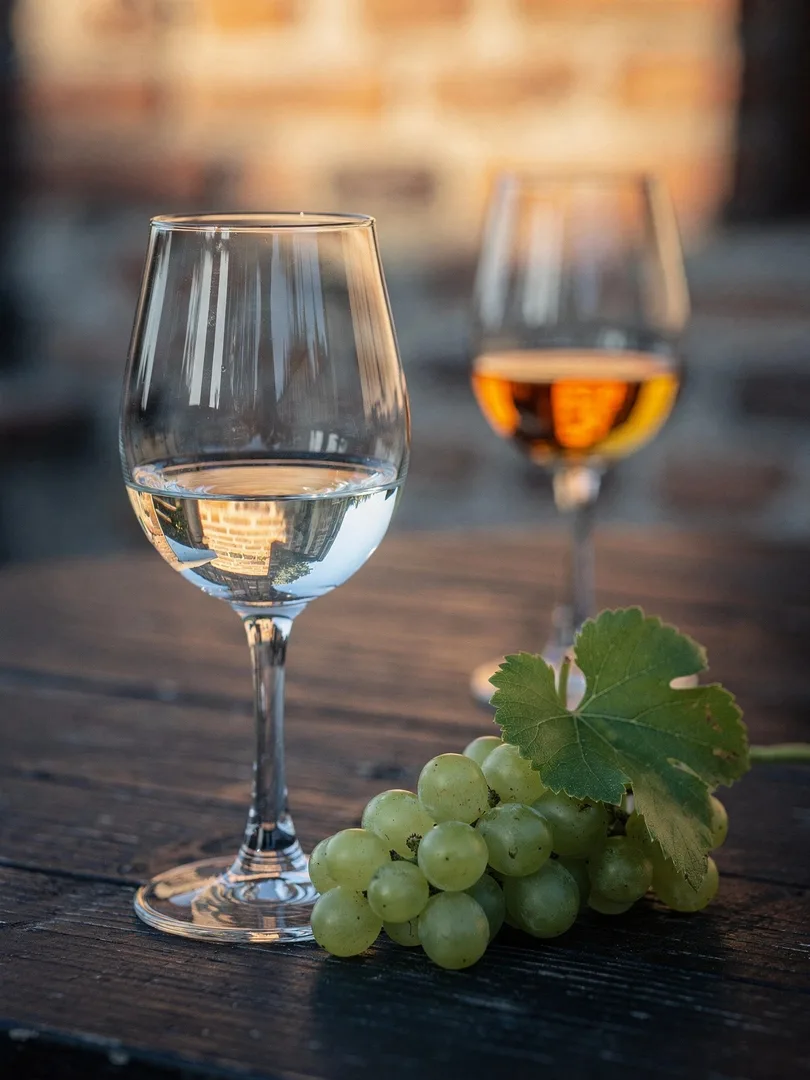
Anyone getting to know Grappa Veneta encounters three main types. Grappa bianca is clear, young, and direct — the classic style from steel or glass. Invecchiata, aged at least twelve months, and riserva, aged at least 18, carry color and woody notes. The third group is named after its grape variety, such as Glera.
Grappa Veneta isn't a single uniform brand but a protected designation of origin. Pomace from Veneto grapes, distilled in the Veneto: that leaves room for many styles, from floral brandy made from white varieties to robust grappa made from Merlot and Cabernet pomace.
Unlike Grappa di Barolo from Piedmont, which owes its profile to Nebbiolo, the Veneto has no single defining grape variety. Here, style emerges more from the house than from the grape — through the cut between heads, heart, and tails, through the type of still, and through aging time. Comparing Nardini and Poli makes this most apparent.
The difference between grappa and brandy is easily explained: grappa is made from the leftover parts of the grape, while brandy is made from finished wine. Grappa, Marc, Orujo, and Tsipouro are essentially relatives, all being pomace brandies. They differ in origin, grape varieties, and distillation methods, not in concept.
The profiles below show the three types with their typical ranges. These apply to bottlings found in retail; individual houses may deviate, especially regarding the aging time of wood-aged grappa. Anyone wanting to form their own impression should compare a bianca and an invecchiata from the same house, since that keeps the distillery's signature constant while only wood and time change the picture. Alcohol strength in retail bottlings is usually between 40 and 45 percent, with a legal minimum of 37.5.
Grappa Bianca from the VenetoPomace brandy · Pomace from Glera, Merlot, Garganega
- Alcohol
- 40–45 % vol
- Maturity
- 0–1 Years
Crystal clear, grape skin and white blossom, sharp on the attack, then smooth and dry.