The short answer
Grappa is an Italian pomace brandy. Pomace is what's left over after pressing the grapes. A brandy, by contrast, is made from finished wine. Grappa is therefore something different, and not necessarily just a harsh way to use up leftovers.
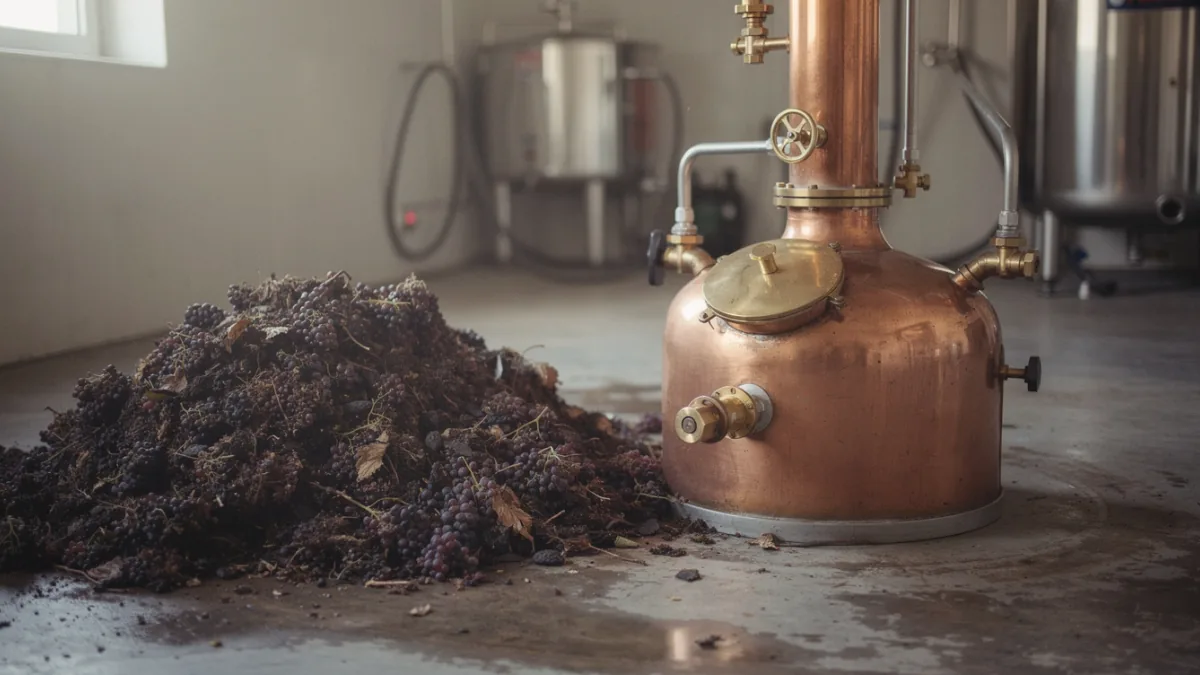
Pomace is its own raw material
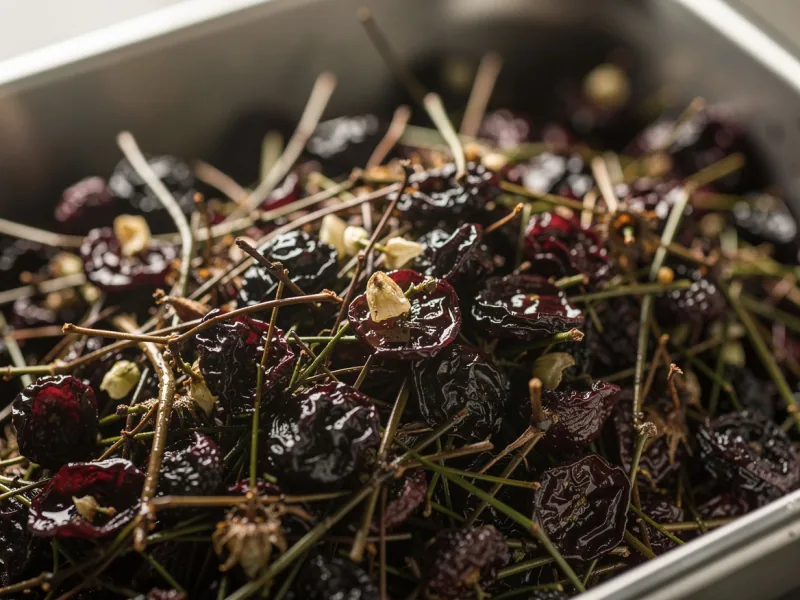
After pressing, skins, seeds, and stems remain. This leftover is called pomace. Grappa is made from it. A brandy is distilled from finished wine. The starting material is therefore completely different, and you can taste that too.
In the past, grappa was a drink of thrift. People distilled what they didn't want to throw away. Today, good producers make a point of processing the pomace while it's fresh and moist. If it sits around too long, it spoils quickly. Storage and distillation method therefore determine quality — not the grape alone.
The pomace always comes from a specific grape variety. That's why single-variety grappas exist, made from, say, Moscato, Nebbiolo, or Amarone. They taste distinctly different from one another. The variety listed is therefore a genuine clue to the character. Still, it doesn't explain the whole flavor.
Clear or aged
A clear grappa goes into the bottle without any barrel time. It shows the fruit and aromas of the grape. An aged grappa, by contrast, rests in wood. The barrel imparts color, and often vanilla and spice too.
Darker doesn't mean better — darker means different. You'll find your own answer fastest with two small samples side by side: one clear, one aged. After two sips you'll know more than after reading ten descriptions.
Compare using small amounts and matching glasses. Pay less attention to individual aroma notes. What matters more is what bothers you. "Too harsh," "too woody," or "pleasantly smooth" are perfectly adequate descriptions. With these three phrases you'll get further in a shop than with a memorized list of tasting notes.
Glass and serving
Use a small glass with no smell of its own, one that leaves some room above the liquid. That's where the aroma collects. Smell it from a bit of a distance, otherwise you'll mostly pick up the alcohol. And don't hold the glass constantly in your warm hand.
Temperature is where most mistakes happen. Served ice-cold, exactly what makes a good grappa special disappears. A young, clear grappa can handle a light chill. An aged one belongs in the glass at room temperature. The habit of serving it ice-cold dates back to times when that was meant to mask certain flaws.
If in doubt, follow the recommendation for that specific bottling. Then try a second small sip a bit less cold. The difference is usually bigger than you'd expect.
Also as a cocktail ingredient
Grappa doesn't have to wait until after the meal. In a sour, it meets citrus and sweetness. The lemon makes the drink tart, the syrup sweetens it back. The grappa contributes the fruit of the grape. That way it shows a different side than sipped neat from a small glass.
The Ve.N.To pairs it with honey and chamomile. The honey sweetens, the chamomile adds an herbal note.
Even neat, a second try is worth it if your first grappa seemed too harsh. Often it comes down to temperature, glass, or simply the bottle. A single experience doesn't describe a whole category.
Which bottle you open for this isn't a minor detail. A heavily barrel-driven grappa changes the result noticeably. For a first attempt, a clear one often works better, since its grape fruit still comes through in the glass.