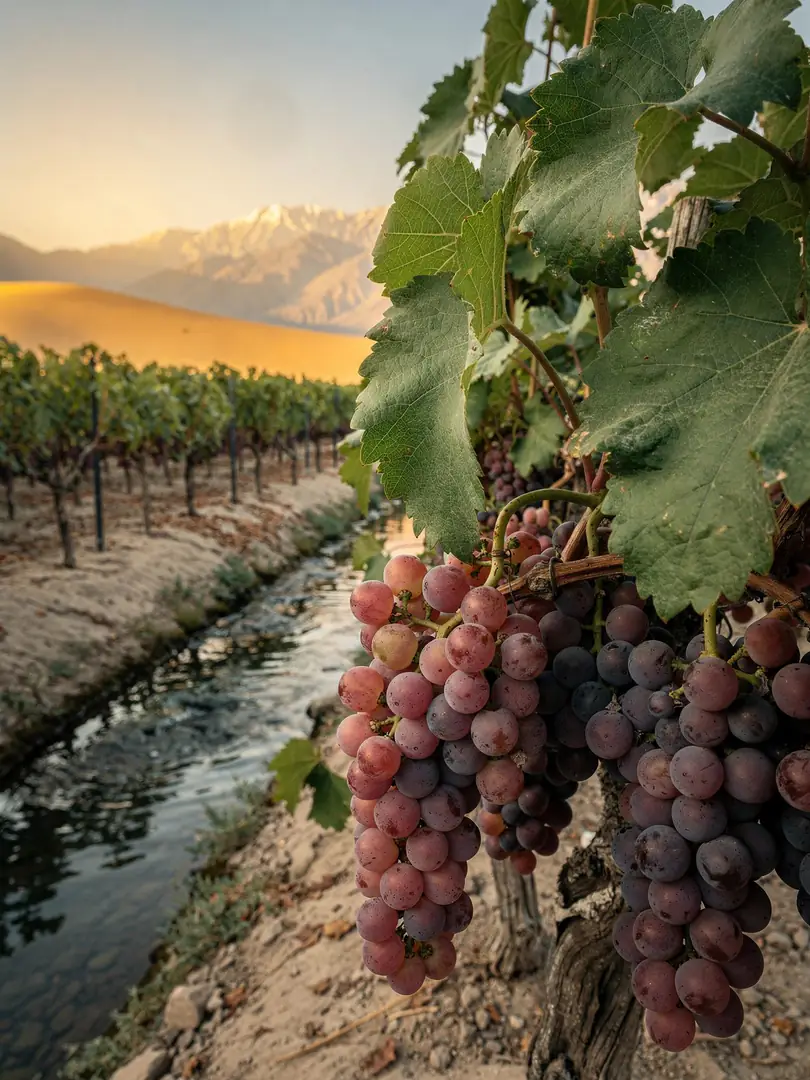
Eight Pisco Grapes
Fruit & Raw Material
Eight grape varieties are permitted for Pisco, and the standard divides them into two groups. The non-aromatic varieties include Quebranta, Negra Criolla, Mollar, and Uvina. The aromatic varieties are Italia, Torontel, Moscatel, and Albilla. In Peru, these grapes are known as uvas pisqueras, Pisco grapes.
Which grape variety is typical of Pisco from Peru? Quebranta is the name most often mentioned. It's considered the best known of the non-aromatic varieties, lending a Pisco body and weight without shouting floral notes. Nosing a Pisco made from Quebranta, you're more likely to catch ripe fruit and a hint of nuttiness than a bouquet of flowers. Negra Criolla, Mollar, and Uvina also stay reserved on the nose.
The aromatic varieties tell a different story. Italia and Torontel bring blossom and fruit to the spirit, Moscatel adds a spicy, nutmeg-like note, and Albilla counts among this group even though it's less fragrant than the others. A Pisco made purely from one of these varieties will therefore smell distinctly of flowers and citrus peel.
The land itself demands a great deal from the vines. Rain is scarce around Ica; water comes from rivers that rise in the Andes and is channeled through canals and wells to the fields. In return, the sun shines almost year-round, and the grapes grow rich in sugar. Harvest takes place in the southern summer, typically between January and March. Pisco grapes also grow further north, in the Chincha Valley.
Why grapes, and not, as with Grappa, the leftovers from pressing? Pisco is made from fresh must, not from the skins and seeds left behind after pressing. What gets distilled, then, is what would otherwise have become wine. That's why the grape variety comes through so clearly in the glass.