Coast to Douro
Region & History
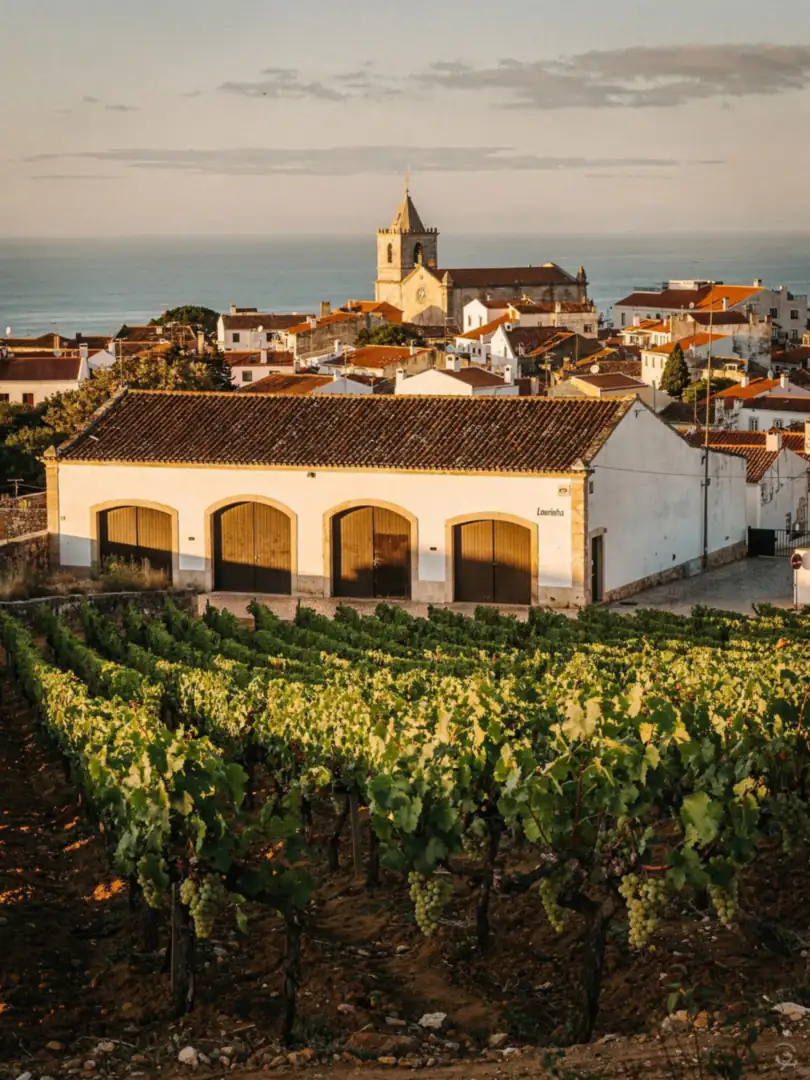
Aguardente de Vinho Lourinhã, a Portuguese brandy from a coastal town north of Lisbon, has something most brandies don't: a region entirely its own. Since March 7, 1992, Lourinhã has been recognized as a brandy region with a controlled designation of origin, the only one of its kind in Portugal, according to the cooperative. Anyone searching for Portuguese brandy will therefore come across this name first.
The Adega Cooperativa da Lourinhã was founded in 1957 and initially bottled red and white wine. It wasn't until 1992, when the region received its status, that it switched entirely to brandy. To this day, it distills the wine of its members and ages the distillate in wood.
At the European level, Aguardente de Vinho Lourinhã has been a protected geographical indication since 2008. Legally, it counts as spirits, specifically wine distillate. EU regulations do not require aging for this category, but Lourinhã's specifications demand at least 24 months in wood and a bottling strength of at least 38% ABV.
Four other brandies are listed in the EU register under their own names: Aguardente de Vinho Douro, Alentejo, Ribatejo, and one from the Vinhos Verdes region. Aguardente is simply the Portuguese word for brandy. Douro, Alentejo, and Ribatejo have been registered there since 1989. There are also three pomace brandies: Aguardente Bagaceira from Bairrada, Alentejo, and Vinhos Verdes. Wine brandy is made from wine, pomace brandy from the pressed remains of the grapes.
In the Douro, brandy serves a completely different purpose: as an additive at 77% ABV, it stops fermentation during Port wine production, leaving sugar in the wine. The brandy is therefore not an end product there, but part of another drink. How this fortification process works is explained in the encyclopedia article on Port wine.