The short answer
Port is a fortified wine from the Douro in Portugal. Fortified means alcohol is added during fermentation. Ruby, Tawny, and Vintage are the most important styles in this category. Once opened, each wants to be treated differently.
Why Port often tastes sweet
Wine is made because yeast converts the sugar in grapes into alcohol. With Port, the producer intervenes right in the middle of this process, adding grape spirit. The added alcohol kills the yeast before it finishes its job. This intervention is called fortification.
What remains is the unfermented grape sugar. That's where the sweetness comes from, without anyone having added extra sugar. At the same time, the alcohol content rises because of the added spirit. Both effects trace back to that same single step.
Port is therefore neither an ordinary red wine nor a brown spirit. The small glasses and its reputation as a dessert companion sometimes suggest the latter. The category also includes various styles and levels of sweetness.
Ruby and Tawny
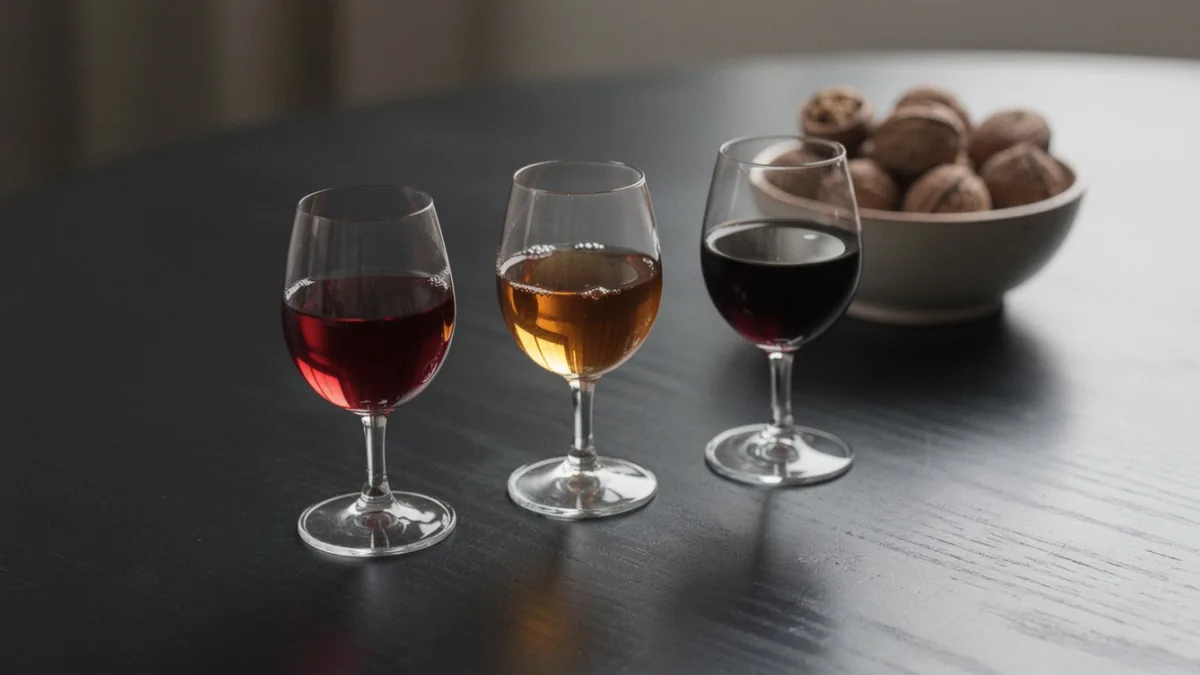
Ruby styles put dark fruit in the foreground. Tawny styles are more reminiscent of nuts, dried fruit and spices. The difference doesn't arise in the vineyard, but in the aging vessel. Both names actually describe the color: Ruby means ruby red, Tawny a light yellow-brown.
Ruby ages in large vessels with little air contact. This lets it keep its dark fruit character. Tawny lies in smaller barrels, where more oxygen reaches the wine. It's precisely this oxidation that makes it lighter, nuttier and softer. It's intentional, not a fault.
With Tawny, age indications often appear on the label. Read them within the context of this category. Such an indication is something different from a vintage, which names a specific harvest year.
Want to taste the difference yourself? Open a Ruby and a Tawny on the same evening. Small amounts are enough for this. The jump from dark fruit to nut is so clear that you won't need any practice.
Vintage and other designations
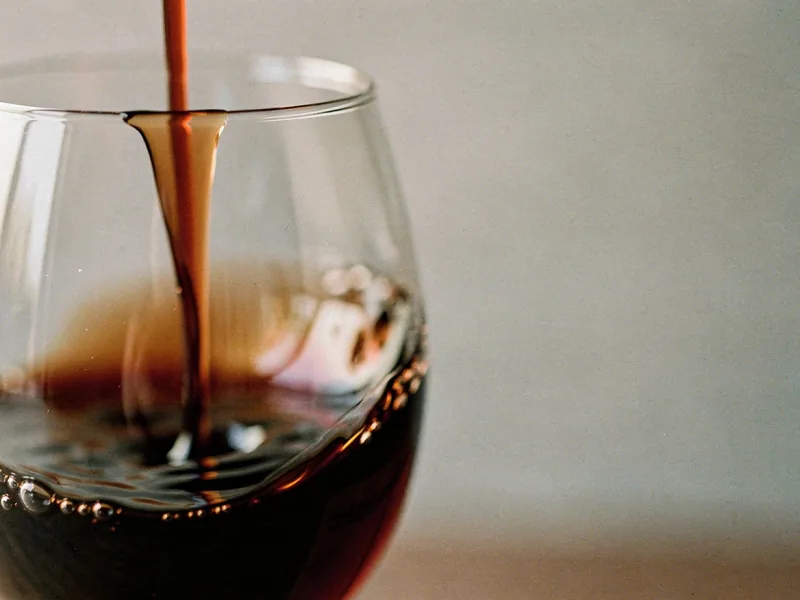
Vintage Port comes from a single harvest year. It can continue developing in the bottle over a long time. In the process, sediment often settles at the bottom. Careful decanting separates the wine from it. Decanting here simply means: slowly pouring into another vessel.
Late Bottled Vintage follows a different aging concept. The notes on filtration are important here. They tell you whether sediment is to be expected. So always check the specific bottling.
These designations aren't a ranking. They describe where and for how long the wine has aged. Which style suits you is decided by your own taste. Expensive and rare doesn't mean the bottle will bring you more enjoyment that evening.
Serving and storing
Lightly chilled, Port usually comes across more pleasantly than in a warm room. Seal the opened bottle well and store it cool. Whatever the producer recommends for the particular style takes precedence over any general rule.
When it comes to storage, the styles differ significantly. A Tawny has already completed its oxidative aging. After opening, it keeps for weeks. A Vintage Port has been kept away from air for decades. It should be drunk within a few days. Same category, two completely different time windows.
If you only drink a glass occasionally, small bottles are the better choice. Otherwise a large bottle sits open for weeks. This is especially harmful to the more delicate styles.