Grapes and Pomace
Fruit & Raw Material
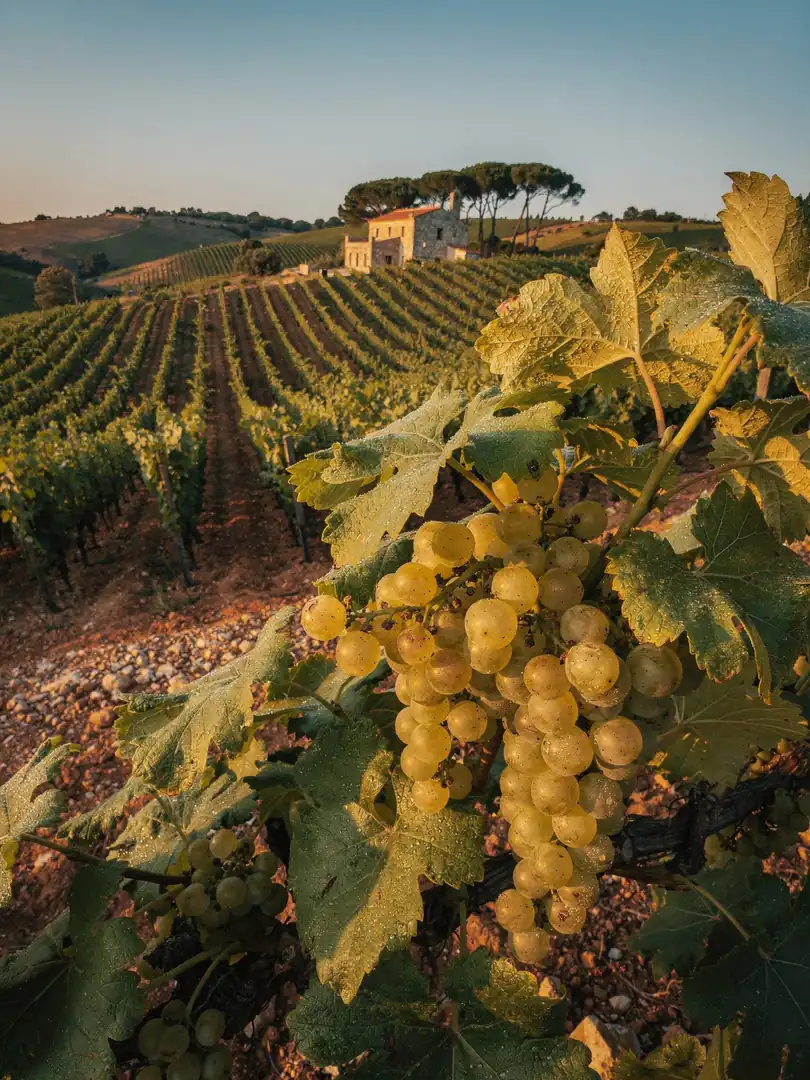
What grapes go into a Portuguese brandy? In Lourinhã, according to the cooperative, they are mainly white varieties such as Malvasia-Rei, Fernão Pires, Seara Nova, Vital, and Tália, along with the red varieties Tinta Miúda and Castelão. This is a diverse blend of varieties, not a single-variety wine like in Cognac, where one grape dominates almost everything.
Tália is the Portuguese name for Ugni Blanc, the grape that supplies almost all the base wine in Cognac. It produces a high-acid, low-alcohol wine and is considered ideal for distillation precisely for this reason. In Lourinhã, it is one of the best-known varieties used for brandy.
Where the grapes grow is part of the rules. The wine for Aguardente DOC Lourinhã must come from the designated area around the town, and the brandies from Douro, Alentejo, and Ribatejo are similarly tied to their namesake regions.
In the Douro, brandy production follows the rhythm of the harvest. The wine for Aguardente de Vinho Douro must come from grapes grown in the designated region and must be distilled by the end of March following winemaking, within the region itself, unless the IVDP institute grants an exception.
With pomace brandy, the fruit is a skin. Pomace is the residue left after pressing, meaning grape skins, seeds, and stems. For Aguardente Bagaceira da Bairrada, it must come from red grapes, be fresh, and not have been ensiled. Bairrada's main grape variety is Baga, whose thick skin provides plenty of color and tannin.
In the Vinhos Verdes region in the northwest, both Aguardente de Vinho and Bagaceira are protected, each with its own specification. Alentejo also has its own named Aguardente Bagaceira, as well as its own wine brandy.