The sweet in-between style
Old Tom Gin
Old Tom Gin is the sweet sibling between malty, heavy Genever and dry London Dry Gin. It nearly vanished entirely, but today it's enjoying a comeback in cocktail bars.
What is Old Tom Gin?
Old Tom Gin is a lightly sweetened gin that sits, in flavor, between the malty, heavy character of Genever and the austere dryness of London Dry Gin. In the 18th and 19th centuries, Genever was popular in England but struck many drinkers as too rough, since it still carried a strong scent of its origins as a grain spirit. As an alternative, a style emerged made from more neutral alcohol, already moving toward London Dry, but rounded out with a bit of sugar. It's exactly this sweetness that sets it apart from its drier successor.
The sweetness usually sits well below that of a liqueur; it merely softens the sharpness of the juniper. Old recipes often combined it with botanicals such as licorice root, adding further softness.
Some historic recipes used sugar beet syrup or similar sweeteners instead of plain sugar, giving the gin a slightly darker color. This variety of approaches shows that Old Tom Gin was never as strictly regulated a category as London Dry Gin later became, but rather a loose family of similarly flavored, sweetened gins from various distilleries.
Where does the name Old Tom come from?
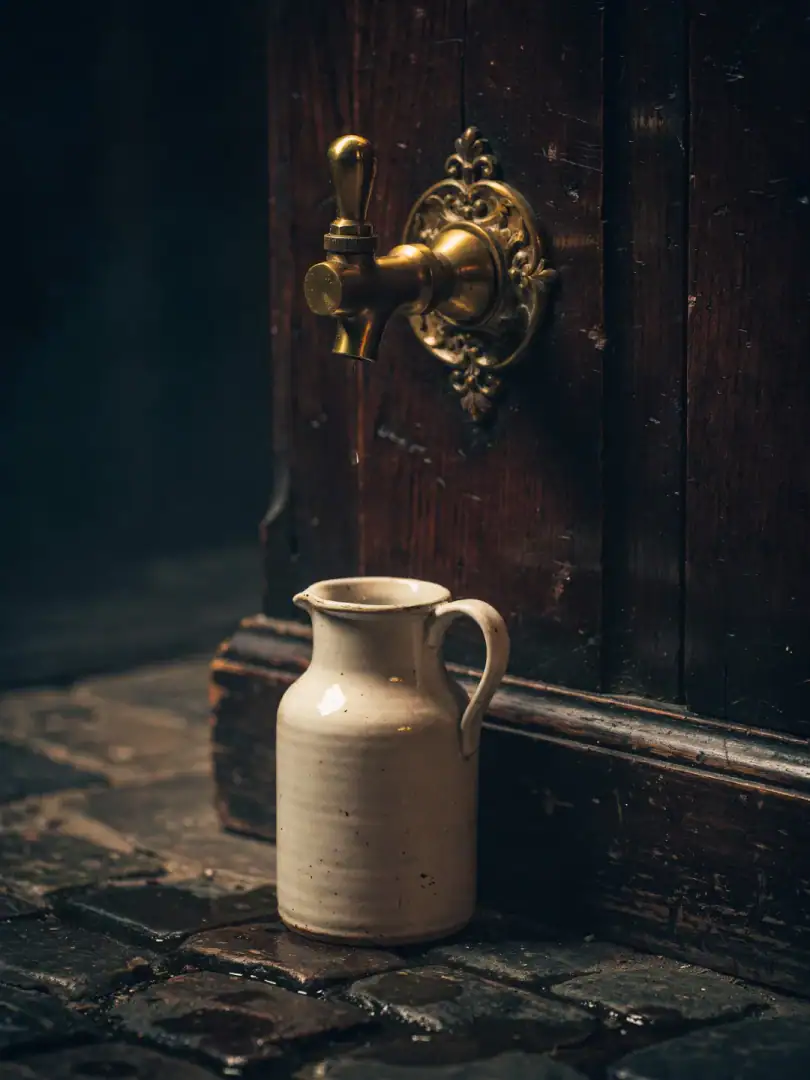
There are several stories about the origin of the name, not all of which can be clearly verified. One popular tale involves wooden cat plaques on the walls of certain London buildings during the gin epidemic of the 18th century: anyone who dropped a coin into a pipe beneath the cat would secretly receive a shot of gin through the paw, a way of skirting taxes and prohibitions. These dispensers were supposedly called "Old Tom's." What is certain is that by the 19th century, "Old Tom" was a common name in Britain for sweetened gin. It appears again and again on bottles and in bartending books of the era.
Other explanations trace the name back to a specific distiller named Thomas. Which version is true can no longer be established with certainty today, but the style itself is well documented.
Regardless of which story is true, the name reveals something fundamental about the era: for a time, gin was so widespread and at times so uncontrolled in 18th-century London that authorities pushed back with strict taxes and bans. Enterprising sellers got around these rules with hidden points of sale, and a sweeter, more approachable gin fit well into this informal environment.
The comeback of Old Tom Gin
Old 19th-century cocktail books still call for Old Tom Gin in many classics, such as the Tom Collins, whose very name derives directly from this style, or the early Martinez. With the rise of drier London Dry Gin from the late 19th century onward, Old Tom fell largely into obscurity, all but disappearing from shelves for much of the 20th century.
Since the 2000s, cocktail bars and small distilleries have been bringing the style back, since classic recipes taste more authentic with it. Brands like Hayman's in England revived their historic recipe. Anyone mixing a Tom Collins today with genuine Old Tom Gin instead of London Dry Gin will taste the difference immediately: rounder, warmer, with a subtle sweetness on the finish.
This rediscovery is closely tied to the broader interest in classic cocktails that has grown in bars worldwide since the early 2000s. Bartenders began reading historic recipe books more closely and realized that many drinks simply taste different with modern, dry gin than originally intended. Reconstructing old Old Tom recipes became something of a craft in its own right within the gin world.