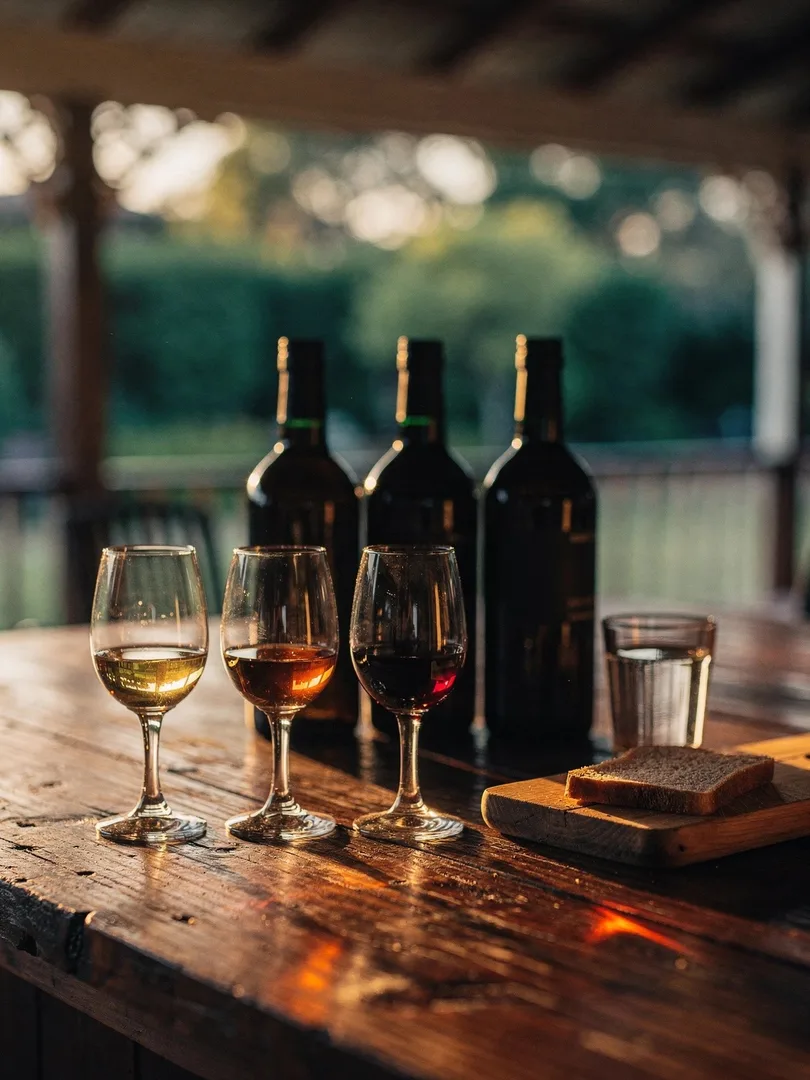
Neat and in Small Glasses
Tasting
What does Bundaberg Rum taste like? On the nose, molasses and caramel come first, followed by vanilla and a hint of spice. On the palate, it's smooth and leans sweet, with a medium-length, woody finish. Those familiar with fruity ester-driven rums will find less fruit and more warmth here.
The standard bottling, which the company calls "Original," serves as the benchmark. Then there are the Master Distillers' Collective bottlings: the 10 Year Old, the Port Barrel, and the Golden Reserve, the first three released in 2011, which have since won awards.
A tumbler—a small, thick-walled glass—suits this rum's relaxed character. For those wanting to pick apart the aromas more precisely, a tulip-shaped nosing glass, which narrows toward the top and concentrates the scents, is the better choice.
Room temperature around 18 to 20°C (64–68°F) is standard; a chilled rum keeps its aromas locked away. A few drops of water lower the strength and release volatile compounds, though with a rum around 40% ABV the effect is fairly subtle.
In everyday use, Bundy is often mixed. For tasting, first smell the glass, then swirl a small sip around the mouth and smell again; the lingering finish shows how long the wood carries through. When comparing several bottlings, a fixed order helps: start with the younger one, then move to the older, with water and a piece of dry bread in between. Tasting the 10 Year Old right after the standard bottling usually makes the difference in wood influence immediately obvious.
Color offers an initial clue, but not a reliable one: in the EU, caramel coloring is permitted to even out appearance, so a dark brown hue doesn't prove a long age. What matters is the age stated on the label—and that applies only to the youngest component.