Two Parishes, Distilleries
Region & History
Anyone wanting to know where Barbados rum comes from will find two of the island's four current distilleries right here in the north. Mount Gay belongs to St. Lucy, while St Nicholas Abbey sits in the highlands of St. Peter. Both parishes stretch right across the island, from the east coast to the west coast, and in both, sugarcane was the key cash crop during the colonial era.
The English began settling Barbados in 1627. During the 17th century, sugarcane took hold on the plantations, and with it came the forced labor of enslaved people from West Africa. They cut the cane, operated the mills, and stoked the boiling vats, without wages and without rights. In 1661 the colony passed a slave law that codified this disenfranchisement. Slavery across the British Empire was legally abolished in 1833, followed on Barbados by an apprenticeship period that lasted until 1838.
Mount Gay traces its history back to a deed from 1703, a bill of sale dated February 20 that lists distilling equipment on the estate. The property had come into being when William Sandiford merged several smaller plantations under the name Mount Gilboa. The house markets itself as the oldest distillery in the world, though this is a producer's claim rather than a neutral record. Rémy Cointreau has held the majority stake since 1989.
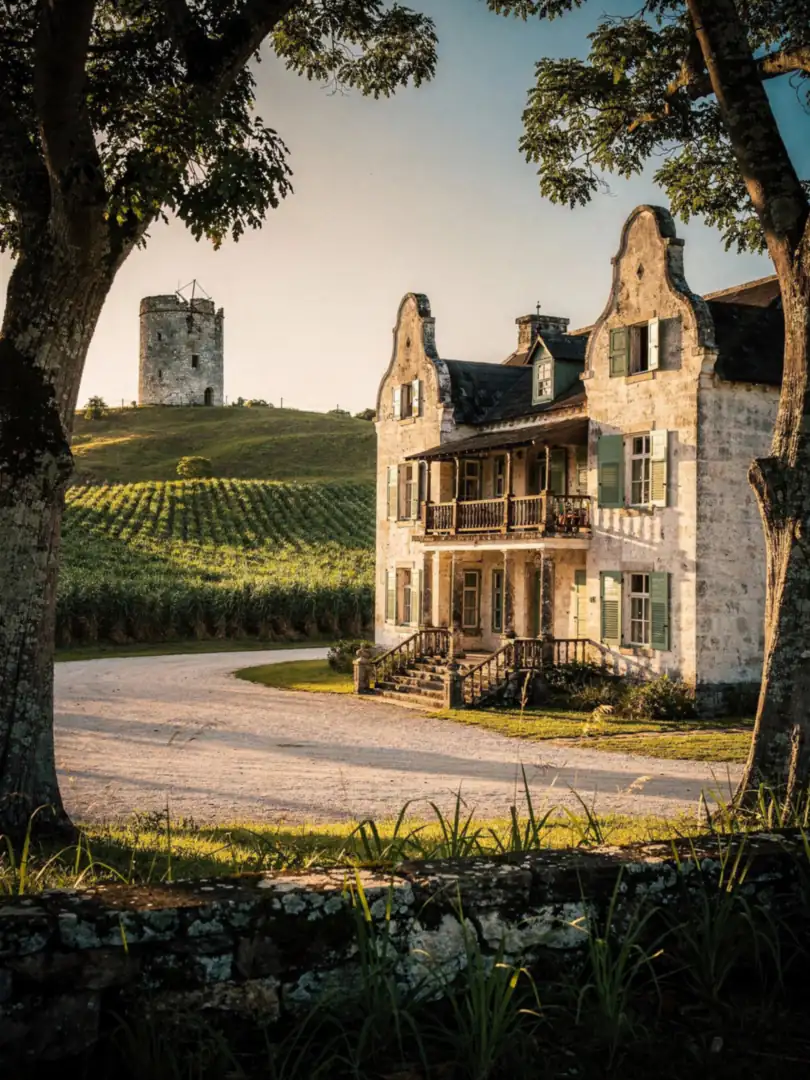
According to the estate, the great house at St Nicholas Abbey was built in 1658 by Colonel Benjamin Berringer. It is considered one of only three surviving Jacobean buildings in the Western Hemisphere. The first reference to rum at this site appears in a survey from 1717 to 1721, which still lists the estate as Dottin Plantation. Architect Larry Warren took it over in January 2006, had it restored, and opened it to visitors in November 2006.
What rules will eventually protect the Barbados name for rum has remained unresolved for years.