The short answer
Rum is made from sugarcane. Usually molasses or sugarcane juice is fermented and then distilled. Production methods and maturation lead to very different styles.
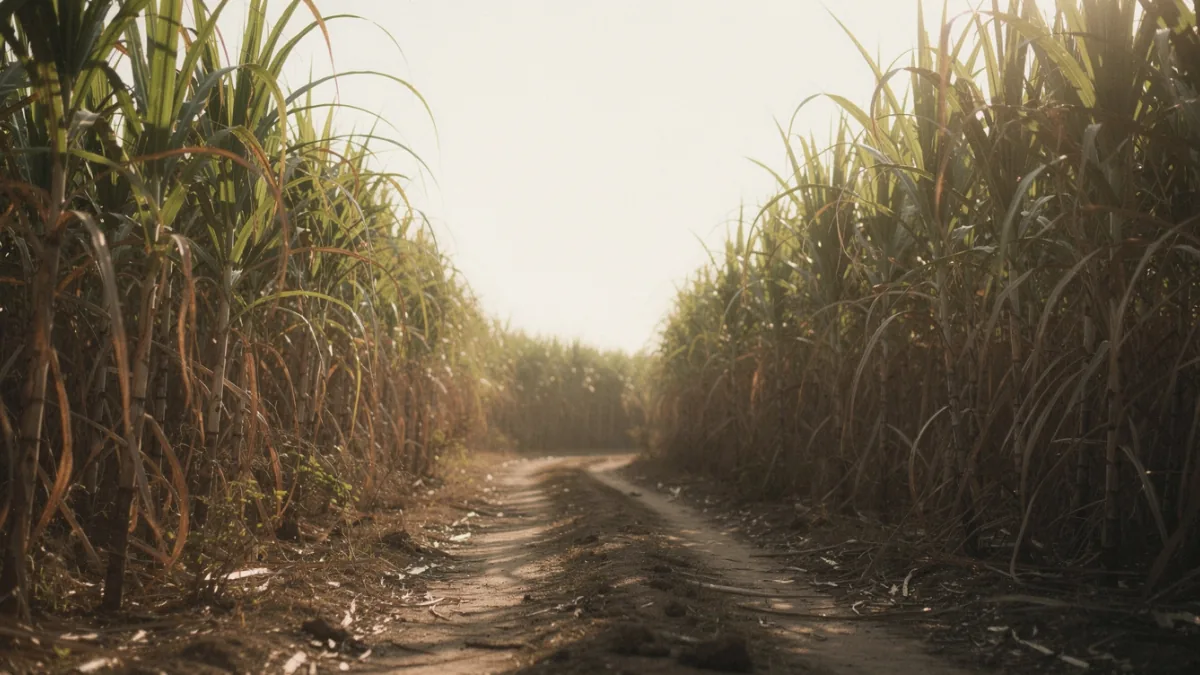
One raw material, many decisions
Molasses is a byproduct of sugar production. Sugarcane juice is a different starting point. Add to that fermentation, distillation method, and possible cask aging. Rum is therefore not a uniformly sweet or brown spirit.
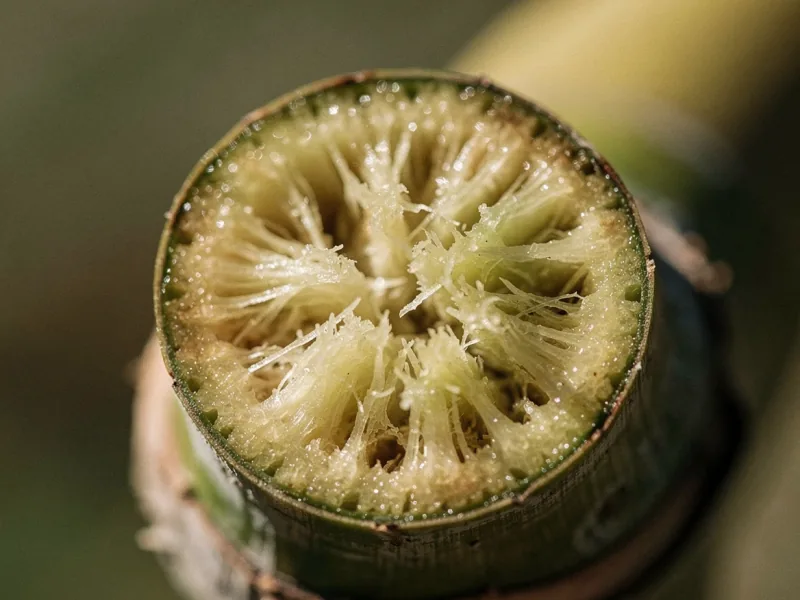
Molasses is a byproduct. It's left over when crystal sugar is extracted from sugarcane. Sugarcane juice, on the other hand, is the freshly pressed juice of the plant. Both can be fermented and distilled, and both bring their own character with them. This is where two rums already diverge, even before a cask ever comes into play.
Further decisions follow after that. How long fermentation runs, which yeasts are at work, whether a pot still or a column still is used: every decision shapes the outcome. Pot still and column still are two different types of distillation apparatus. Two rums from the same region therefore don't necessarily taste similar. If you think of rum as having a single flavor profile, you're looking in the wrong place for your favorite style.
What helps more than color when shopping
Ask about raw material, origin, strength, and a style description. If you want to taste the rum neat, say so. In a cocktail, entirely different qualities may matter.
Start with two small, deliberately different samples: one distinctly light and one clearly aromatic. First, just describe which impression you prefer. A dark bottle doesn't have to be older or better. A light rum isn't automatically mild. Concrete notes will get you further, faster, than the categories of white and brown.
The strength is always printed on the label and reveals more than many expect. A rum with higher strength usually seems more intense and can handle a few drops of water in the glass. One with lower strength is more approachable right away. As a first point of orientation, this works well, and it only costs you a single glance.
Where to start in the store
Four pieces of information appear on almost every bottle: raw material, origin, strength, and a style description. Together, they answer the most important questions. If all you find is the brand name and an age statement, that doesn't make the bottle worse. It just tells you less about what to expect.
Tell the person you're talking to what you need the rum for. A Daiquiri leads to a different recommendation than a quiet evening with a glass. Both questions are easier to answer than asking for a good rum in general. Feel free to mention your budget too. It narrows down the selection without locking you into one style.
Color reveals little about rum
Rum is not a sugar spirit. The sugar from the raw material is converted into alcohol during fermentation. What tastes sweet in the finished drink may come from cask aging or may have been added afterward. A rum that smells of vanilla and caramel doesn't necessarily taste sweet.
The place of origin also explains less than it seems to. Caribbean countries have recognizable traditions. Within a single island, though, distilleries work in very different ways. Origin is a piece of information, not a guarantee of taste. It doesn't replace tasting for yourself.