The short answer
Barbados, Cuba, and Guyana each have their own rum traditions. The country of origin gives you a first clue to the style, but no more than that. What actually ends up in the glass is revealed by the distillery, the distillation method, the ageing, and the composition of the bottle.
Barbados: Often Two Distillates in One Bottle
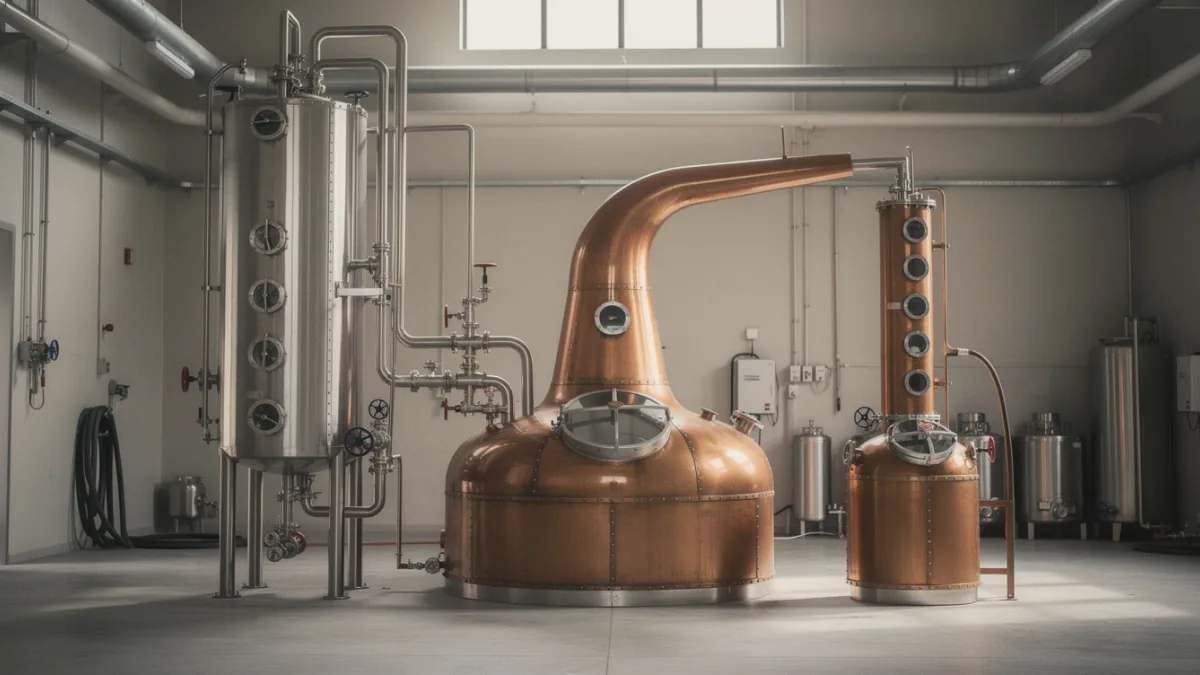
Many Barbadian rums blend two distillates. They come from two different types of still: the pot still and the column still.
The two types of equipment have different jobs. A pot still works in individual batches and lets more of the raw material through. This makes the rum bolder and heavier. A column still runs continuously and produces lighter, purer distillates.
Blending the two combines body with approachability. That's the essence of the Bajan style. Fruit, body, and cask notes all come together in one bottle this way.
That said, a uniform flavour across all brands doesn't follow from this. Check whether the bottling carries clear information on distillery and ageing. Also look for whether any additives are mentioned.
Cuba: Light Styles and Aged Blends
The Cuban tradition stands for continuous distillation and for blending aged components. Blending means several rums are combined into one. The blender decides the final flavour there.
A light cocktail rum and a longer-aged blend serve two different purposes. One steps back behind lime and sugar; the other is meant to stand on its own, neat. So buy according to the drink you're planning to make, or according to a specific flavour description.
A light colour doesn't mean a rum is unaged. Filtration can alter the colour afterwards. So looking at the glass doesn't tell you how long the rum spent in the cask.
This leads to a practical buying rule. For a drink heavy on lime and sugar, the rum above all needs to be clean and complementary. A long-aged bottling is better saved for the evening you plan to taste it neat.
Guyana: Demerara Is More Than Dark Colour
Demerara refers to an origin and a tradition in Guyana. The name comes from the river and the region, not from the colour. Demerara sugar is something different. The name doesn't tell you whether such sugar was added to the finished rum.
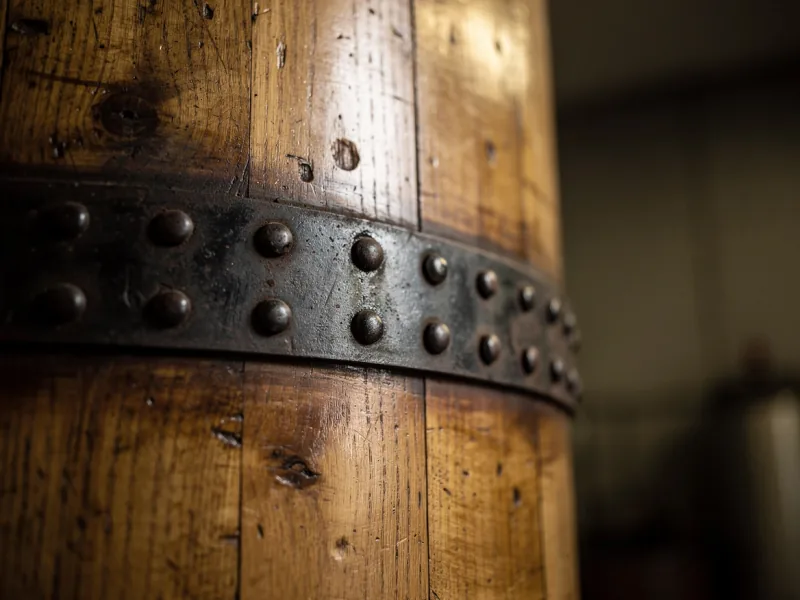
A distinctive feature there is the equipment. Guyana still uses historic wooden stills that no longer exist anywhere else. They give the distillates a distinctive, often smoky-spicy character.
Different stills and blends lead to different profiles. Bold molasses and cask notes are one possible outcome. They're not a guarantee for every single bottle, though.
Dark and sweet are two separate qualities here. A rum can look deep brown and taste dry. Here too, only the producer's information or a small tasting will tell you more.
A Meaningful Comparison
For a fair comparison you need similar alcohol strengths. Otherwise you're mainly comparing strength, not style. Taste neat first, and in small amounts.
Note four points for each sample: fruit, wood, spice, and impression of sweetness. Four keywords are plenty. Only after that is it worth using them in the same cocktail, since other ingredients there will mask the finer differences.
For your first round, pick one bottling per country that's described as typical. Outliers are interesting, but they distort the picture of an origin—and origin is what this comparison is about.
That way you'll find out which specific bottle suits you. A ranking of entire countries can't be drawn from three samples anyway. The differences within each country are simply too great for that.