Light and Round
Rum Style
What is the Spanish rum style? It refers to light rum made from molasses, called Ron ligero in Spanish, and found at home in Cuba, Puerto Rico, Venezuela, and the Dominican Republic. Brugal and Bermúdez are considered classic representatives of this school.
Its characteristics are quickly listed: molasses as the raw material, column distillation, often a filtration through activated charcoal for white rum, and for older bottlings, frequently maturation in used bourbon barrels. Sweetening is sometimes applied, with the EU permitting a maximum of 20 grams of sugar per liter.
The contrast with Jamaica is the greatest. There, the pot still combined with long fermentations brings plenty of esters and bold funk into the glass, while here the distillate stays deliberately quiet. There's also a world of difference from Martinique's rhum agricole, which comes from fresh juice and tastes of grass and sugarcane.
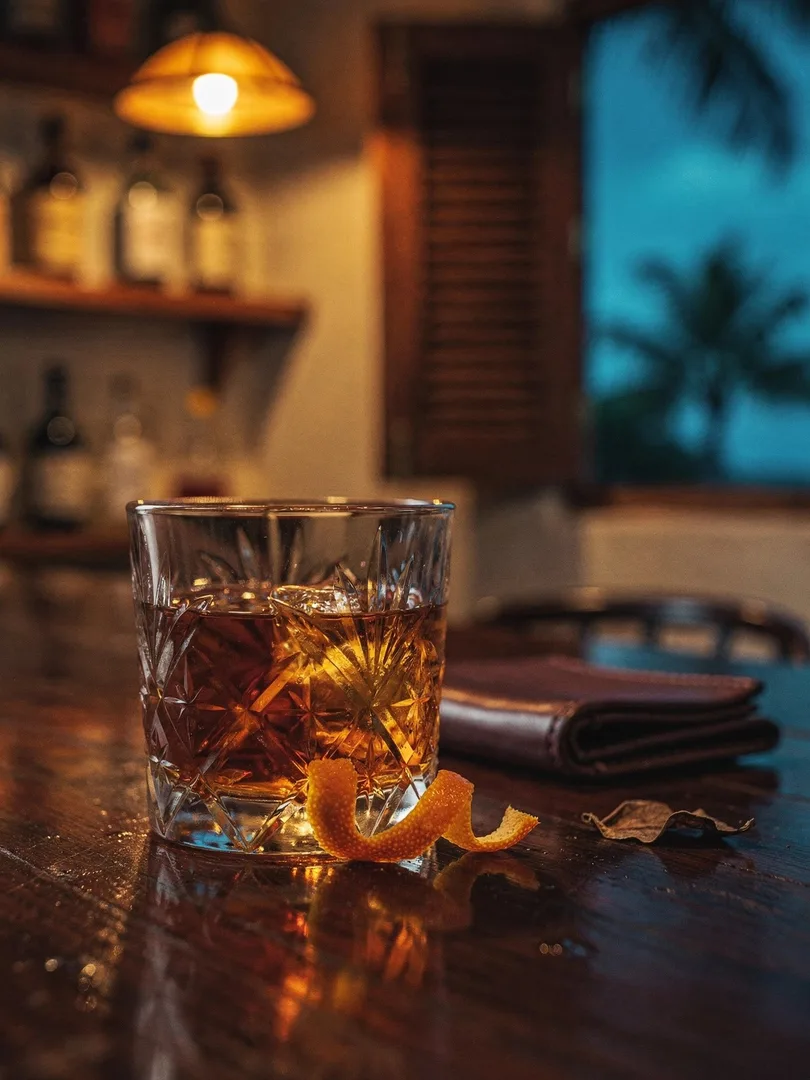
In the glass, the Spanish style shows vanilla, caramel, dried fruit, and fine wood, rarely with any edge. A Brugal Extra Viejo or a Bermúdez Don Armando give a good picture of this. The longer a rum has aged, the softer fruit and spice become, while a white expression retains more freshness and a light sweetness.
Mamajuana is its own thing entirely. It's an infusion of rum, red wine, and honey with barks and herbs, said by tradition to date back to a preparation made by the Taíno. Because rum may not be flavored in the EU, it would legally not qualify as rum, but rather as a spirit or liqueur.
Spanish Style / Ron ligeroMolasses · Column still
- Alcohol
- 37.5–40 % vol
- Cask ageing
- 1–25 Years
Light and round, vanilla, caramel, dried fruit, few esters, a soft finish.