The short answer
Spiced means seasoned. Behind the word is usually a rum-based product to which spices or flavorings have been added. What's actually in the bottle is only revealed by the legal product designation on the label.
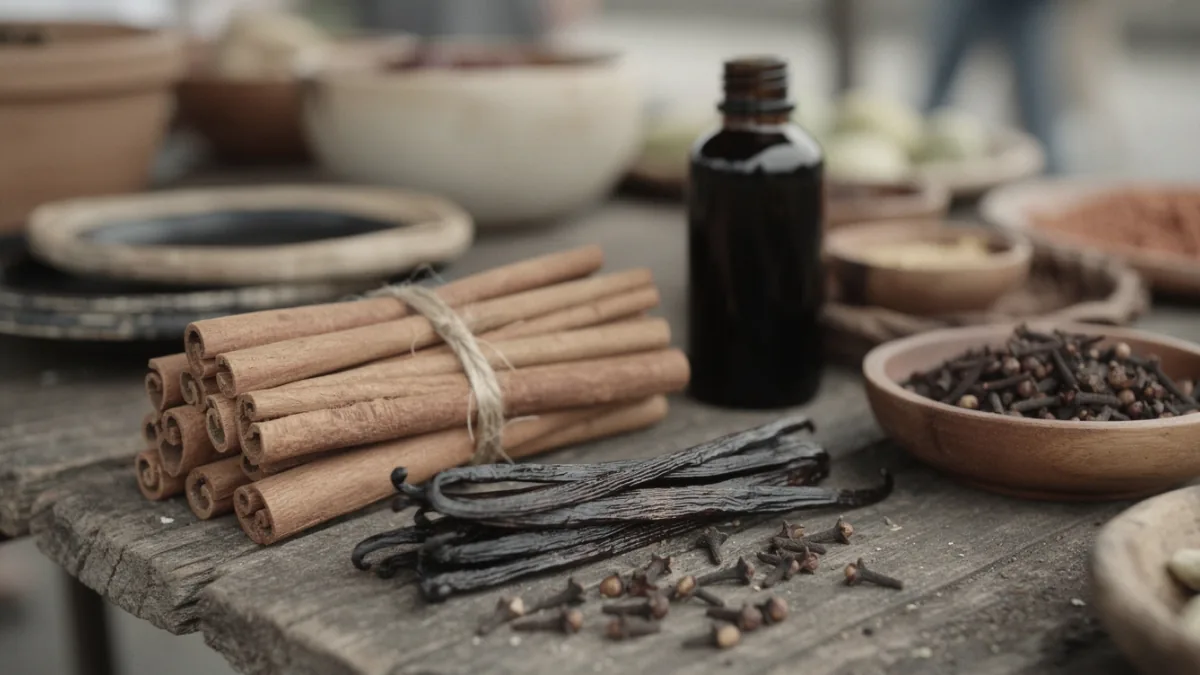
Distinguishing marketing name from category
The EU rum category doesn't allow flavoring. A spiced product therefore can't simply be called rum. It's designated, for example, as a spirit drink or assigned to another suitable category. The big word on the front label tells you little about this.
Flavored, in this context, means: something is added after distillation. This can be spices, extracts from them, or flavoring substances. The flavor doesn't come solely from the still and the barrel then — part of it is stirred in later.
Spiced is therefore, first of all, a marketing term. Two bottles carrying the same word can be composed in completely different ways. That's exactly why only the legal category tells you anything for certain.
In practice, this means: the legal designation rarely sits where your eye lands first. It's printed small, sometimes even on the back. Still, it's the only line that has to follow a rule. Everything else on the bottle is design.
This isn't a criticism of producers. Spiced products are allowed to be spiced, and they're allowed to advertise that. The only person caught off guard is someone who expected the same thing as an unspiced rum.
What you actually want to choose
Read the ingredient and producer information, and check the alcohol content. If you're buying for a specific recipe, don't unknowingly swap the unflavored base spirit for a heavily flavored one. It can change the whole drink.
A recipe is calculated around what the base spirit brings to the table. If it also brings spices, those interact with every other ingredient. What tasted clear before quickly turns muddled.
Alcohol content deserves attention too. Spiced products are often lower in strength than unflavored rum. A recipe built around a specific strength gets thrown off balance as a result. The drink doesn't just taste different — it comes across thinner too.
To get to know a spiced rum, smell a small sample first. Only afterward add the mixer you planned to use. That way you'll notice which impression comes from which ingredient. Doing it the other way around makes the two nearly impossible to tell apart.
Whether you prefer the spiced style remains purely a matter of taste. It shouldn't be dismissed as an inferior rum, nor celebrated as some great discovery.
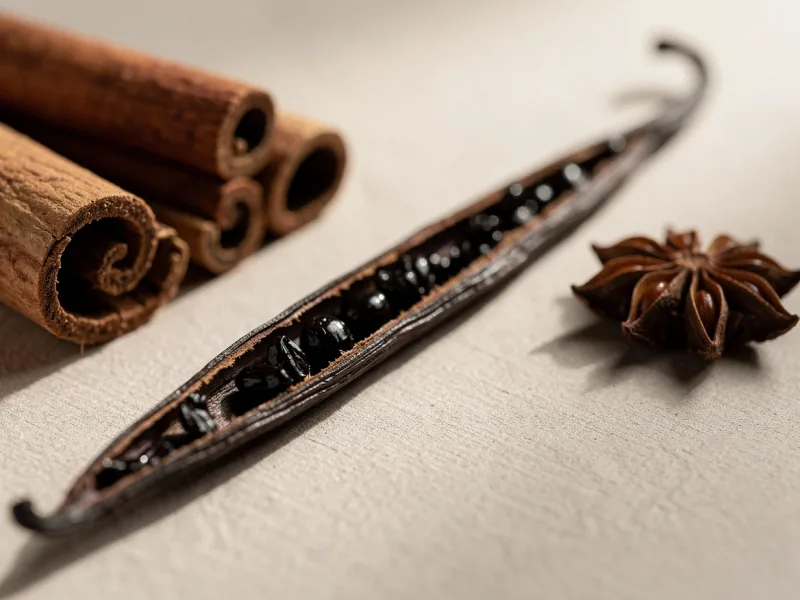
How to spot it on the bottle
Look for the line that categorizes the product. It's usually printed in the same font size as the volume and alcohol content. If you find something there other than the big word from the front label, you've got your answer.
An ingredient list or a mention of flavorings is another clear giveaway. Wherever flavorings are listed, something has been added. If it's still unclear, check the producer's website, where the category is usually spelled out.
When in doubt, comparing prices on the shelf is worth doing too. Spiced products are often cheaper than unflavored rums of a similar apparent age. That's no proof, but it's reason enough to look closer.