The short answer
Rhum Agricole is made from fresh sugarcane juice. It's not an organic seal. Origin and the precise product designation still matter.
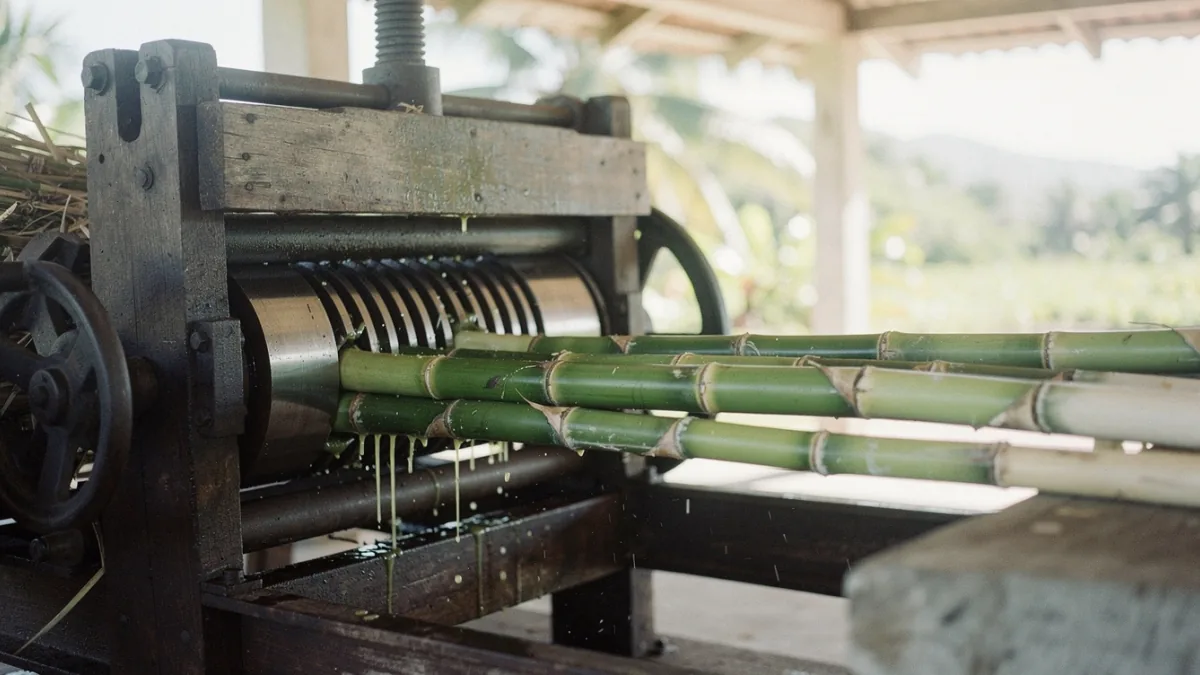
Sugarcane juice instead of molasses
With Rhum Agricole, fresh sugarcane juice is the starting point rather than molasses. Martinique has its own designation of origin covering it. Both unaged and aged versions exist.
The difference lies in timing. Molasses is a byproduct of sugar production and can be stored. Fresh sugarcane juice has to be processed quickly, since it begins fermenting fast. A distillery working with juice is therefore tightly bound to the local harvest. That organizational difference ultimately shows up in the glass.
The designation of origin also says something about oversight. Where it applies, what may and may not go into the bottle is clearly defined. A bottle without this designation can still contain juice-based rum - you just need to look more carefully to see whether the raw material is even stated.
Molasses and juice, then, are two paths that diverge before distillation even begins. Everything that follows - fermentation, distillation and perhaps cask aging - applies to both.
How to compare the two raw materials
To get to know both, take a small sample of a rum explicitly described as juice-based alongside one that's molasses-based, at similar strength. Try to keep the other differences to a minimum, so the comparison stays clear. Two samples are plenty to start with. More bottles won't make the difference clearer - just the tasting longer.
Describe for yourself whether you notice grassy, fruity or other impressions. Such terms are comparisons, not an ingredient list. If you don't like a particular style, that says nothing about its craftsmanship. And don't read "Agricole" as a promise that a drink is somehow more natural or inherently higher quality. The name simply answers a question about production method.
Taste both at room temperature and without ice, at least for the first sip. Cold dulls aroma and the impression of sweetness. In a comparison, you specifically want to see the differences the raw material makes. A sip of water in between resets your palate.
Note down both full names along with the ABV. If you notice afterward that one sample was noticeably stronger, you've identified an important source of error in your comparison.
What the name doesn't mean
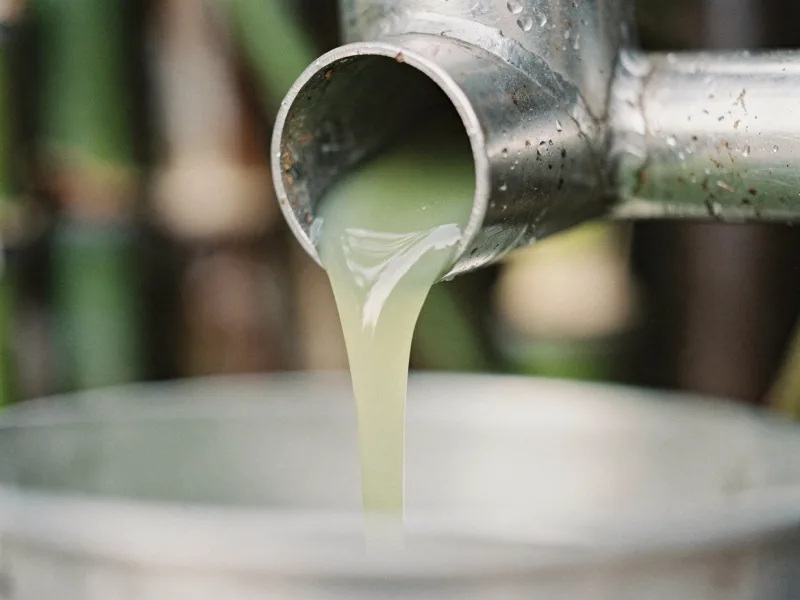
Agricole means agricultural. The word points to the fact that the juice comes straight from the field. It's not an organic seal, nor a quality judgment, and it says nothing about additives. Anyone reading the term as a seal of quality is expecting something it never actually promises.
Conversely, molasses-based rum is no industrial also-ran. Molasses is a legitimate raw material with its own history, and many of the world's best-known rums are made from it. The two paths lead to different results. No ranking follows from that.
In practice, that means: look on the label for the raw material. If it says sugarcane juice or something equivalent, you know which path the bottle took. If that information is missing, your only option is to ask the retailer.