Blend over Power
Rum Style
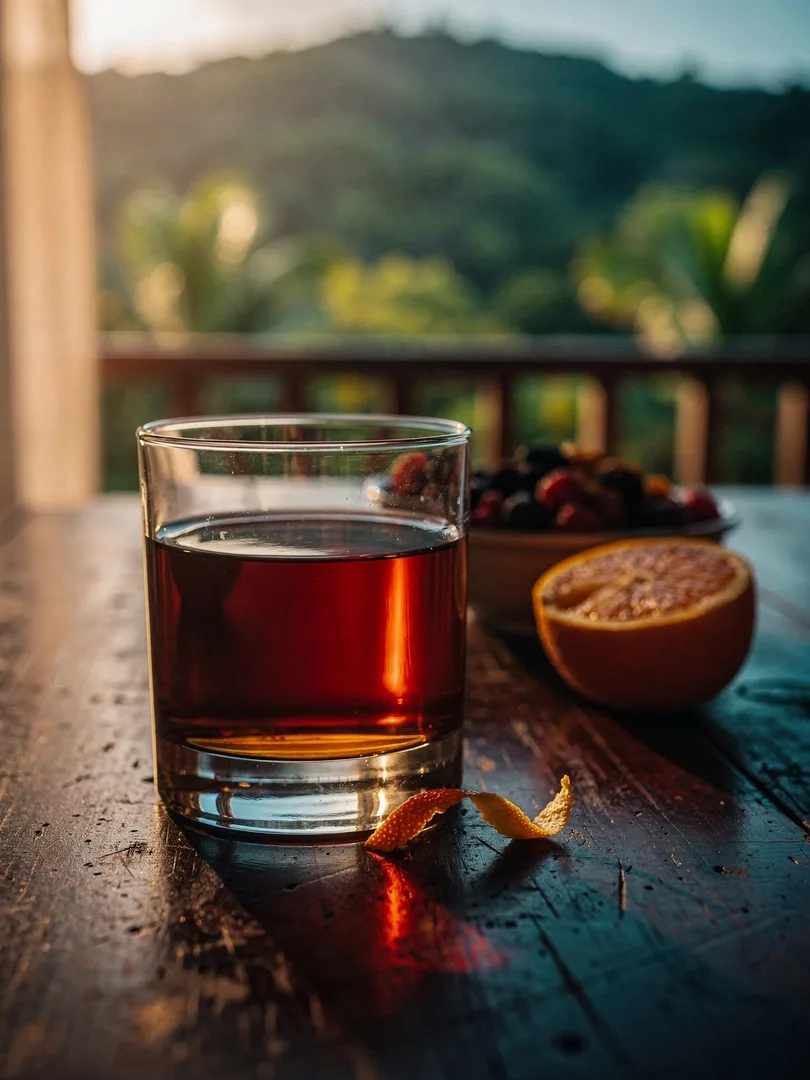
What is Jamaican rum in the blended style? Appleton Estate represents the aged blend of pot still and column still, not the powerful high-ester spirit of the northwest. Orange peel, vanilla, cocoa and dark sugar describe it; the house names orange peel as its typical top note.
The difference from the neighbouring style lies in proportion. A high-ester rum from Trelawny relies on very long fermentation and an abundance of esters. The Appleton style blends pot and column and smooths the edges in the cask, so the fruit comes across softer and the spice rounder.
The gap to rhum agricole is also wide. Juice rum from Martinique tastes of freshly pressed cane and grass, while a molasses rum from Jamaica leans more toward spice, dark fruit and wood. Both can be aged, but they start from very different places.
How sweet is a rum like this? Because of the Jamaica geographical indication, it stays unsweetened. The impression of sweetness comes from the cask and the molasses, and it grows with age, as the wood contributes vanilla and caramel notes.
Age forms a kind of ladder. The longer the rum rested in the cask, the more wood, dried fruit and leather come to the fore, and the quieter the fresh orange becomes. This lets you order a house's bottlings without even reading a label. The twelve-year Rare Casks sits at the top of this ladder, the young Signature at the bottom, with bottlings in between where orange and wood find balance.
Jamaica Blend (Pot + Column)Molasses · Pot still and column still
- Alcohol
- 40–63 % vol
- Cask ageing
- 0–12 Years
Orange peel, vanilla, dark sugar; pot still spice meets softer column notes, unsweetened.