The short answer
Jamaican rum often has a strikingly ripe-fruit nose. Behind that are esters—aromatic compounds formed during fermentation. In tasting notes, this character is called funk. Not every bottle from Jamaica is equally intense, and that doesn't automatically make it high-proof either.
Esters Don't Form in the Cask
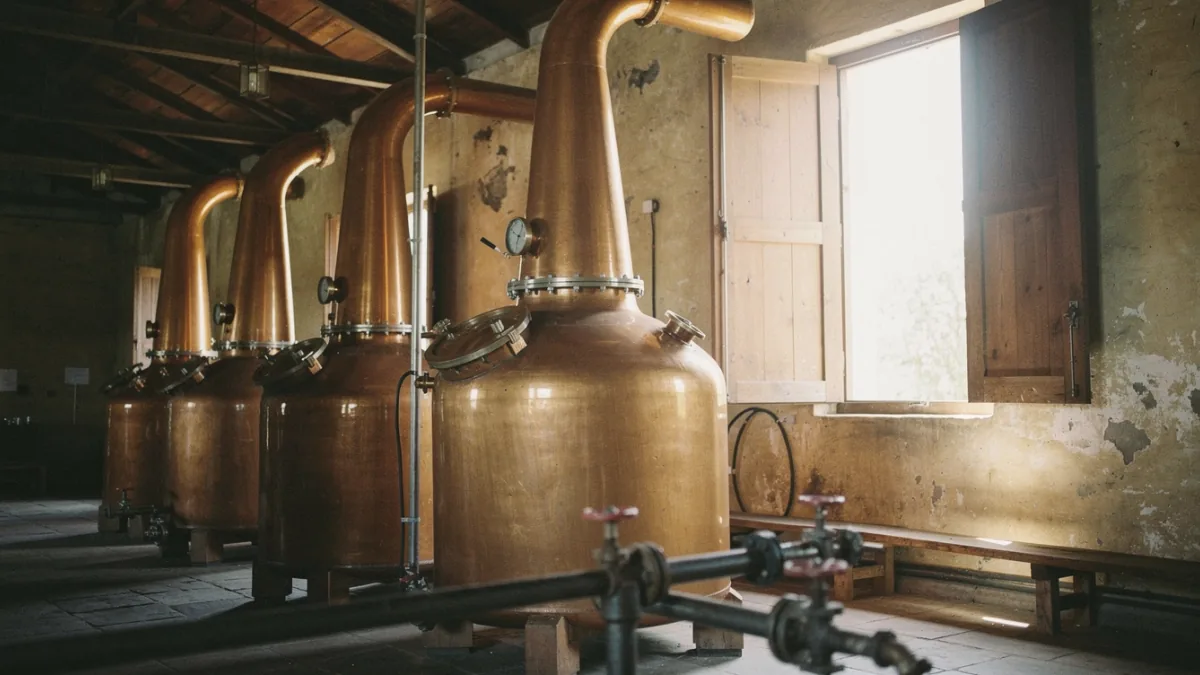
A rum's flavour takes shape in two steps, long before the cask ever comes into play. First the mash ferments, then it's distilled. Both stages shape which aromatic compounds end up in the bottle.
Esters are chemical compounds formed during fermentation. The longer and wilder the fermentation, the more of them form. In small amounts, esters smell like ripe banana or pineapple. In large amounts, they recall solvent. Some Jamaican distilleries push this deliberately far, while others keep it minimal.
"Funk" is the colloquial catch-all term for this. The word describes a direction, not a quality grade. Nor is it a measurement of overall aroma. Anyone encountering such a rum for the first time may take the smell for a flaw in the bottle. It isn't a flaw. That doesn't mean you have to like it, though.
Jamaica Isn't a Single Flavour Profile
Within Jamaica, the differences are considerable. Distilleries work differently, distillates get blended, and ageing periods vary in length. A mild, approachable blend and a very intense bottling can both come from this island.
A common misconception concerns colour. Colour comes from the cask or from additives, whereas esters come from fermentation. A light-coloured rum can therefore be very estery, and a dark one quite tame. The colour in the glass tells you nothing about the funk.
Anyone wanting to get to know Jamaican rum is better off starting with a distillery rather than a country. Two bottles from the same house usually resemble each other more than two bottles from the same island. If no producer's name appears on the label, all that's left is to taste it yourself.
Using It Deliberately in a Cocktail
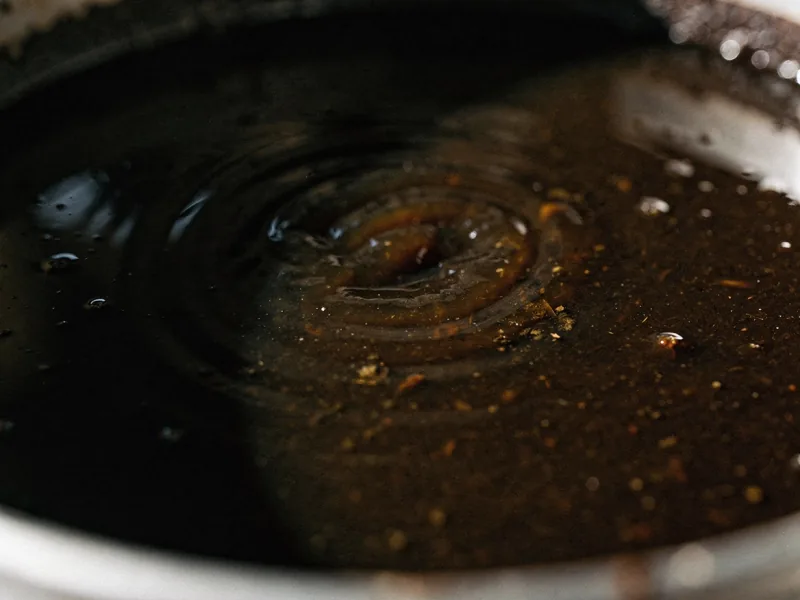
An aromatically intense rum shapes a drink even in small amounts. In a Mai Tai or another rum drink, it lends a lot of character as part of the base. Simply swap it in for the rum you'd used before, and the cocktail may taste completely different.
So proceed in small steps. Mix a small batch exactly to recipe first and note the composition. More funk doesn't mean a drink is better balanced.
A simple trick from practice: blend a strongly estery rum with a more neutral one rather than using it alone. A fifth is often enough to give a drink character. Four-fifths would be too much for almost any recipe.
An estery rum works well with citrus and sugar. The lime's acidity tempers the over-ripe fruit, and the sugar rounds it off. In a drink without acidity, though, the funk stands very much alone.
Questions to Ask Before Buying
Four pieces of information help you further: the distillery, the distillation method, the ageing, and the alcohol strength. If they're on the label or in the description, you can gauge what awaits you in the glass.
If you're unsure, a small tasting sample helps more than the most spectacular tasting notes. For getting started, plain language is more useful than jargon. "Fruity, little wood, quite intense" tells you more than a term you've never heard before.
Feel free to ask directly in the shop about the funk. An answer like "fairly restrained" or "very pronounced" helps you more than any marketing copy. That way you know what you're getting into before you buy.