Bacardí's Beginnings
Region & History
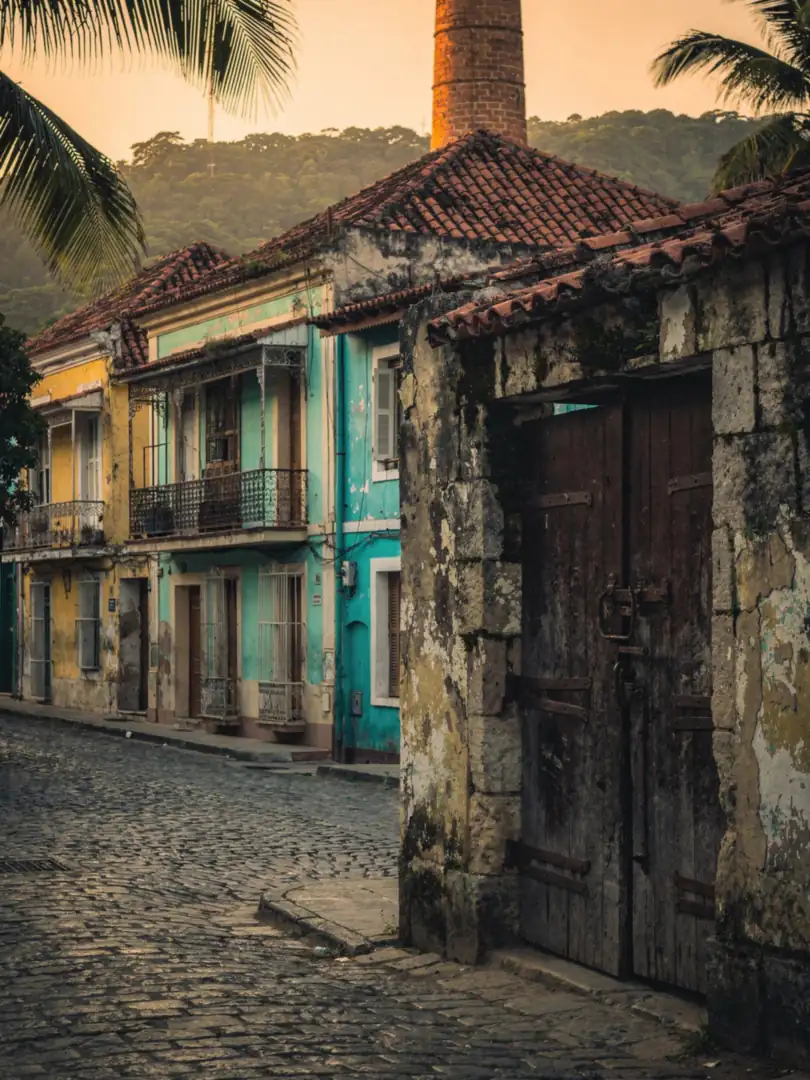
Bacardí comes from Santiago de Cuba, not from Puerto Rico or Bermuda. On February 4, 1862, wine merchant Facundo Bacardí Massó bought a small distillery on Calle del Matadero together with his brother José, for 3,500 pesos according to the company's history. Facundo hailed from Sitges in Catalonia, where he was born in 1813.
The distillery housed a copper and cast-iron pot still, and fruit bats hung beneath the roof. According to the house's tradition, Facundo's wife Amalia suggested putting the bat on the bottles as a symbol, since it was considered a good-luck charm in Spain. The anecdote comes from the company chronicle. The creature still adorns the brand today.
Facundo died in 1886. His eldest son Emilio fought on the side of the insurgents for a Cuba independent from Spain and was imprisoned twice for it. The company was carried on by his sons and a son-in-law.
The raw material has a dark side. The sugarcane in the east of the island grew on plantations where enslaved people were forced to work until slavery was abolished in Cuba in 1886. The molasses from which the rums of those years were made is likewise a byproduct of that labor.
On October 14, 1960, the Cuban government nationalized all Bacardí assets without compensation. According to company accounts, the family had already moved its brands and recipes out of the country beforehand, and the business was later re-established in Puerto Rico. The factory in Santiago remained in state hands and has belonged to Cuba Ron since 1993. Ron Santiago de Cuba is produced there today.
The status of origin protection remains open: Cuba has applied for the protected geographical indication "Cuba" with the EU, but it has not yet been registered. Within the country itself, it has applied since April 2, 2010. That's why the Extra Añejo 11 Años from Santiago bears the label D.O.P. Cuba.